Escalating Middle East Tensions: Houthi Attack Kills 12 in Riyadh
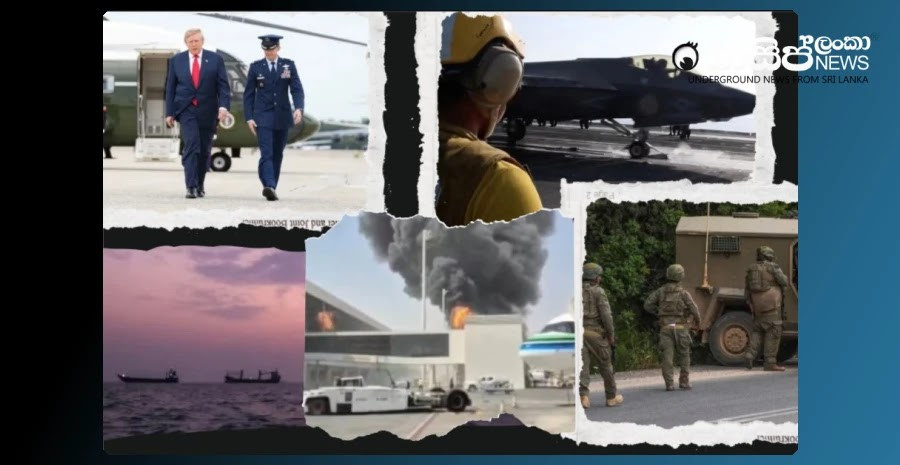
Tensions in the Middle East have reached new heights as military operations against Iran continue, now approximately 226 days in. The recent deadly Houthi attack on King Khalid International Airport in Riyadh, Saudi Arabia, underscores the escalating conflict. On October 10, at least 12 individuals were killed and over 300 were injured in this attack, which Saudi authorities attribute to Iranian-backed Houthi rebels in Yemen. A senior Houthi official has claimed responsibility, framing the attack as retaliation for Saudi actions in Yemen. This incident marks the third attack on the airport within the same week and is the deadliest in Saudi Arabia in over a decade. Another projectile was reported near Dammam Airport, as the Saudi coalition intensifies its military operations against Houthi targets in Yemen.
In response to the attack, President Trump condemned the airport strike as "horrific" but emphasized that Saudi Arabia possesses the capability to defend itself. He indicated that the U.S. could join Saudi attacks against the Houthis, with a decision on that front expected "very soon." Trump also reiterated his belief that the conflict with Iran would conclude shortly. U.S. Secretary of State Marco Rubio strongly condemned the attacks on Saudi Arabia, expressing concern over the death of an American citizen and the disregard for civilian lives. Although Trump previously stated on October 8 that he would refrain from attacking Iran before the election, his subsequent comments left open the possibility of action after the election, demanding that Iran "surrender everything."
Simultaneously, indirect diplomatic talks are ongoing, with Iranian positions being communicated to the U.S. through intermediaries, including Russian President Vladimir Putin. On the military front, U.S. Central Command (CENTCOM) took action on October 10 by disabling the commercial cargo ship "Ocean Molica," which was sailing under a Panamanian flag in the Gulf of Oman. The vessel was attempting to bypass the naval blockade against Iranian ports and ignored multiple warnings. An American fighter jet struck the ship with precision, disabling its propulsion system without causing injuries to the crew. CENTCOM reported that the ship was attempting to leave an Iranian port and transit through regional waters. Since the resumption of the naval blockade on July 14, CENTCOM has disabled four commercial vessels, diverted 135 ships, and destroyed 10 oil tankers linked to the IRGC.
Iranian state media reported that a crude oil supertanker, which allegedly departed through an "unauthorized" route from the Strait of Hormuz, struck a naval mine, exploded, and caught fire. The IRGC has warned that any oil tanker disregarding Iranian regulations would face similar consequences. However, the specifics of this incident remain unverified. The UK Maritime Trade Operations (UKMTO) also reported an incident involving an oil tanker outbound through Hormuz that was hit by an unidentified projectile and caught fire.
Impact on Maritime Trade and Oil Prices
Ship traffic through the Strait of Hormuz is now severely restricted, operating at only about 10 percent of pre-crisis levels. Vessels are navigating the strait under American coordination while Iran continues to assert its dominance, employing bombs and gunfire against non-compliant ships. During this period, Iran's focus has shifted to maritime targets rather than land attacks on Gulf countries or Israel. The world oil market is reacting to these developments, with Brent crude oil prices hovering around $103 per barrel following previous fluctuations.
The Common Sense Test
The Pentagon has updated the number of U.S. military personnel killed in connection with operations against Iran to 21, which includes two non-combat deaths. The new count reflects the complexities of military engagement in the region, with at least 865 U.S. military personnel reported wounded thus far.
Recent events indicate that while there may be a fragile pause in direct attacks on Iranian territory, proxy battles and maritime confrontations are intensifying. The risk in the Gulf region and around the Red Sea remains at an all-time high, with potential attacks on oil tankers and energy infrastructure posing immediate threats to global energy supplies. Should a large oil tanker be destroyed or an attack on Gulf energy infrastructure be confirmed, oil prices could see further significant increases.