Pentagon's $350 Million Contracts Raise Ethical Concerns
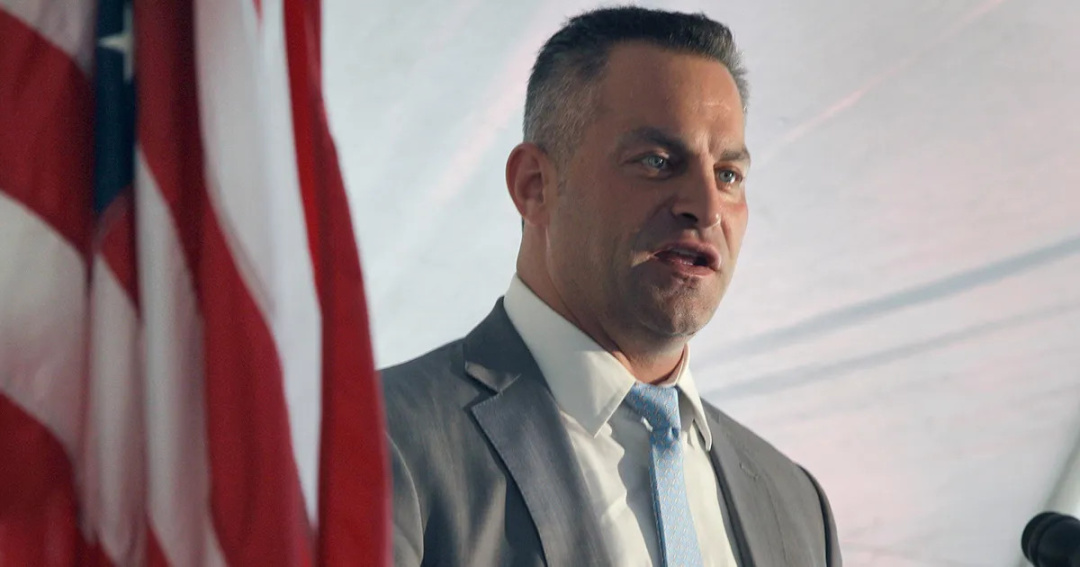
During President Donald Trump’s second term, George K. Kollitides II emerged as a significant figure within the Pentagon, tasked with enhancing procurement processes for weapons and critical minerals. Kollitides, a longtime partner at Alvarez & Marsal Capital, has positioned his government role as a patriotic service. However, his tenure has coincided with lucrative contracts awarded to his former firm, raising eyebrows about the integrity of the procurement process.
In April, shortly after Kollitides began his work at the Pentagon, he was listed in a securities filing as still serving as a senior adviser to Alvarez & Marsal. By June, the Defense Department had finalized a staggering $281 million no-bid consulting contract with Alvarez & Marsal Federal, a subsidiary of his former employer. This contract is part of a larger trend, where nearly $350 million in military spending has been funneled to the firm since December, dwarfing the total amount the firm received from all U.S. agencies in the previous two decades.
Common Sense Shop
The United States of Common Sense
Amazon shopping links. Sponsor Complete!
The contracts have been executed under a special contracting method used by the Defense Department for experimental weapons, a field in which Alvarez & Marsal has no established expertise. This lack of transparency and accountability has sparked concern among taxpayers and ethics experts alike. Virginia Canter, a former federal ethics lawyer, commented, "It looks way too cozy to be legitimate. I think taxpayers should be appalled."
The Pentagon's response to inquiries about the contracts has been vague, with Kollitides reportedly maintaining compliance with ethical standards. However, the nature of his employment, classified as a special government employee, allows him to keep financial disclosures confidential, raising further questions about potential conflicts of interest.
Critics have noted that the Pentagon's procurement culture has shifted under Trump, favoring consultants with close ties to the administration. This has been exemplified by the Office of Strategic Capital, which recently awarded a $620 million loan to a startup linked to Donald Trump Jr. Such actions have led to bipartisan criticism of the Pentagon's contracting practices, with allegations of corruption and influence peddling surfacing.
As the Pentagon continues to award substantial contracts to firms with political connections, the need for a thorough examination of its procurement processes has never been more urgent. The reliance on personal networks over competitive bidding not only undermines the integrity of the defense contracting system but also raises the specter of favoritism and mismanagement that could jeopardize national security.
Concerns Over Transparency and Accountability
The significant sums awarded to Alvarez & Marsal have prompted calls for reform in how the Pentagon conducts its business. Critics argue that the current system, which allows for no-bid contracts under the guise of urgency and necessity, lacks the oversight required to ensure taxpayer dollars are spent wisely. The sheer size of the contracts awarded to a firm with such close ties to a senior official raises questions that demand answers.
As the Pentagon grapples with these ethical dilemmas, it is crucial for lawmakers and the public to scrutinize the motivations behind these contracts. The integrity of the defense procurement process must be safeguarded to ensure that it serves the best interests of the nation rather than the financial interests of a select few.
The Common Sense Test
Ultimately, the situation surrounding Kollitides and Alvarez & Marsal serves as a reminder of the potential pitfalls of intertwining government and private interests. As taxpayers, we deserve transparency and accountability in how our government spends its money, particularly in matters as critical as national defense. The current trajectory of Pentagon contracting practices raises serious questions about whether we are getting the best value for our investments in defense and whether our procurement processes are truly serving the interests of the American people.