Arizona GOP's Embrace of Election Deniers Raises Concerns for Future
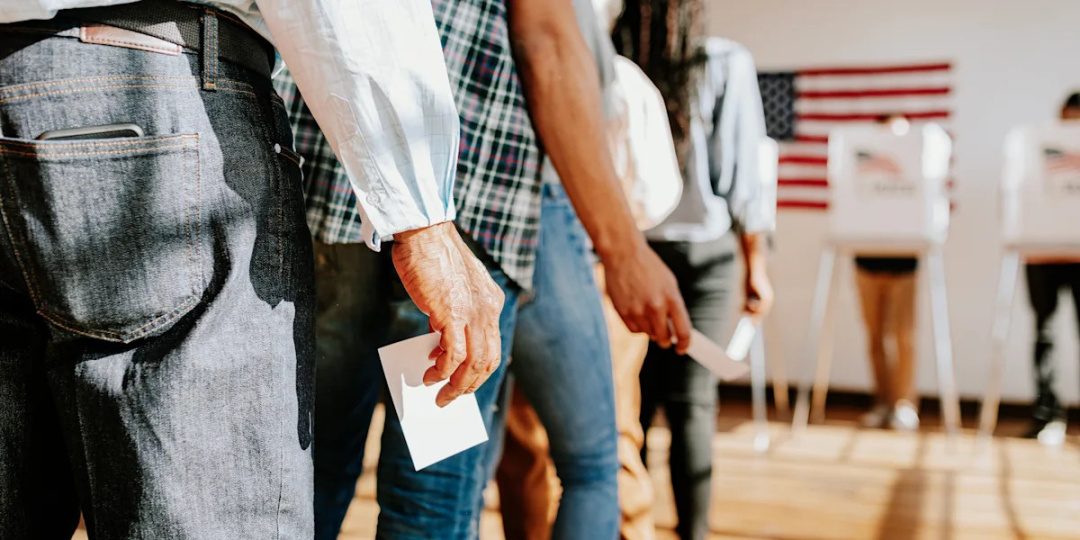
As Election Day 2020 approached, Alexander Kolodin sought entry into the Arizona Republican Party's war room. Despite being a little-known attorney who had lost a GOP primary for the state Senate that summer, Kolodin's determination led him to an auxiliary war room where he could claim involvement. On Election Day, complaints about ballots marked with Sharpie markers began to pour in, with supporters of then-President Donald Trump blaming the markers for perceived voting issues. However, the Arizona Republican Party had already investigated and concluded that Sharpies did not cause any problems. Undeterred, Kolodin filed a lawsuit demanding that voters who used Sharpies be allowed to vote again, marking the beginning of his controversial journey in Arizona politics.
Kolodin's legal challenges to the 2020 election results, all of which failed in court, propelled him from obscurity to prominence within the Arizona GOP. His embrace of election conspiracy theories earned him the Republican nomination for secretary of state, a position that would place him in charge of running elections in Arizona during the 2028 presidential cycle. This nomination raises significant concerns, as it would mark the first time someone actively involved in attempting to subvert election results could oversee the state's elections.
Common Sense Shop
The United States of Common Sense
Amazon shopping links. Sponsor Complete!
Historically, Arizona was a solidly Republican state, but it has transformed into a competitive battleground in recent years. The state GOP's repeated nominations of candidates who have promoted Trump's unfounded claims have led to losses in crucial elections, including those of Blake Masters and Kari Lake. With Kolodin on the ballot, alongside other election deniers like Andy Biggs and Warren Petersen, many party insiders fear a potential wipeout in upcoming elections, which could consolidate Democratic power for years to come.
The dominance of election denialists within the Arizona GOP has raised concerns among strategists. One GOP strategist remarked, "The election denialists have dominated this party for six years. If we keep doing this, we will keep losing." Kolodin is not alone in his beliefs; similar sentiments are echoed by other Republican nominees across the country, such as Jim Marchant in Nevada, who proudly claims the label of election denier.
Kolodin's rise within the party has been marked by his willingness to promote Trump's conspiracy theories, which have garnered him support among the GOP base and powerful allies. Tyler Bowyer, CEO of Turning Point USA, praised Kolodin's efforts during a time when few were willing to step up. However, this notoriety comes with a price, as some observers note that Kolodin has surrendered critical thinking to a cult-like adherence to Trump's directives.
Kolodin's Legislative Challenges and Controversies
After supporting Trump following the 2020 election, Kolodin was elected to the Arizona House in 2022, where he quickly gained a reputation as an obstructionist, irritating both Republicans and Democrats alike. His legislative behavior has drawn criticism, with some colleagues describing him as disruptive and unwilling to collaborate. Despite this, Kolodin has touted bipartisan successes, including a recent elections reform package that aligned post-election timelines with federal deadlines.
Kolodin's insistence on controversial measures, such as making mail voting more difficult, has hindered bipartisan agreements. His push for stricter voter verification measures has been framed as essential for increasing Republican vote share, but critics argue that such policies could alienate voters.
The Common Sense Test
As Kolodin campaigns on a platform of election integrity, his history of questioning election results raises concerns among party members. Ken Bennett, a former Republican secretary of state, warned that nominating candidates too far right could jeopardize Republican chances in general elections. Kolodin's responses to questions about his election denialism have been dismissive, claiming he has a strong bipartisan track record, yet many remain skeptical of his commitment to fair elections.
With the 2024 elections on the horizon, Kolodin's nomination reflects a broader trend within the GOP that prioritizes loyalty to Trump over traditional conservative principles. The implications of this shift could resonate throughout Arizona and beyond, as the party grapples with the consequences of embracing candidates who have actively sought to undermine the electoral process. As Kolodin prepares for the general election, the question remains whether the Arizona GOP will continue down this path or seek a return to more moderate, fact-based leadership.