Spain's Early Election: A Gamble Amidst Political Turmoil
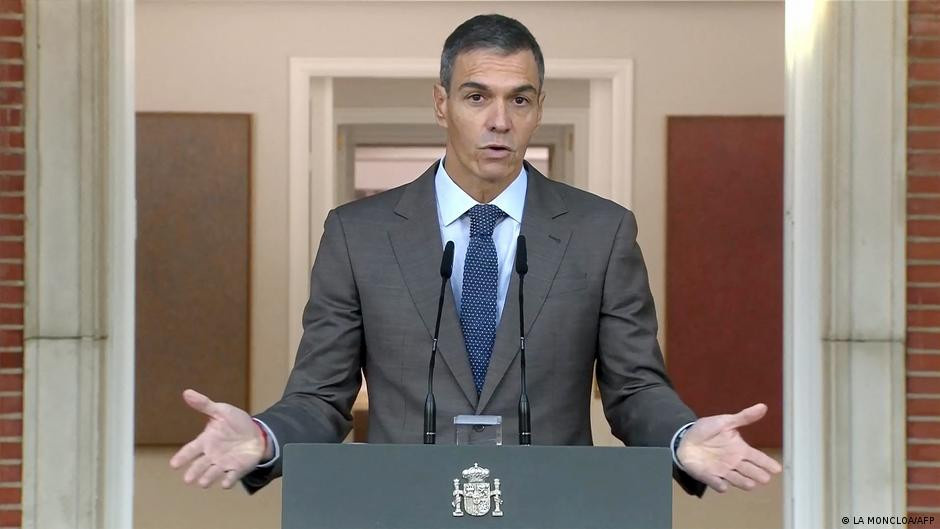
Spain's political landscape is currently fraught with challenges as Prime Minister Pedro Sanchez has announced an early election scheduled for November 29. This decision comes on the heels of a significant political defeat, where Sanchez's emergency measures aimed at addressing the housing crisis were rejected in parliament. The defeat was catalyzed by seven lawmakers from the conservative Catalan separatist party Junts, who have been crucial to the government's support since 2023. Sanchez's call for a "much broader progressive majority" reflects his attempt to regain control amidst a backdrop of instability that has plagued his administration for months.
The housing crisis has been a pressing issue for Spaniards, with recent protests ignited by the forced eviction of 87-year-old Maria del Carmen Abascal. This incident has highlighted the severe housing shortage, with estimates suggesting Spain is short approximately 750,000 homes, a figure that could exceed one million by 2028. The rising property prices, which have outpaced wage growth, have left many young adults reliant on their parents for housing. Currently, social housing constitutes only about 1.7 percent of Spain's total housing stock, placing the country at the lower end of the EU scale.
Common Sense Shop
The United States of Common Sense
Amazon shopping links. Sponsor Complete!
In response to the housing crisis, protests have erupted across the country, with trade unions announcing a general strike following the government's failure to implement effective measures. The political divide is not only between Sanchez's government and the opposition but also within the tenants' movement, which views the government's proposals as inadequate. The conservative People's Party (PP) has cautioned that stricter rent controls could exacerbate the housing problem rather than alleviate it.
Sanchez's government has been operating without a parliamentary majority since 2023, relying on a coalition with the left-wing Sumar alliance and smaller regional parties. This arrangement has become increasingly unstable, with the government losing nearly one in four votes in the first half of 2026 alone. The inability to pass a new budget since 2023 exemplifies the depth of the political deadlock, with Sanchez's housing policies failing to secure necessary support from Junts.
Migration Crisis Intensifies Political Challenges
The recent migration crisis, particularly the influx of over 70,000 migrants from Morocco into Ceuta, has further complicated Sanchez's position. Although the government declared the crisis resolved, many migrants remain in the region, prompting a shift in migration policy towards accelerated asylum procedures and deportations. This shift has drawn criticism from human rights organizations, highlighting the tension between governance and humanitarian concerns.
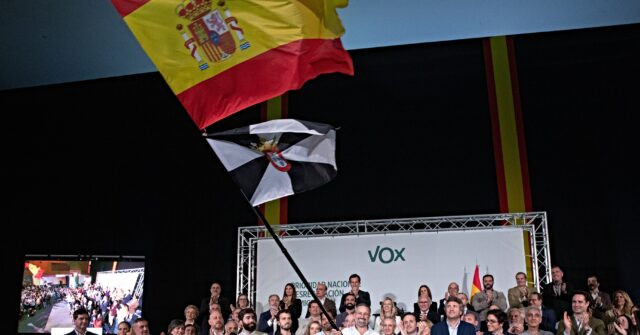
As the snap election approaches, the conservative PP is positioned as a frontrunner, while the right-wing populist Vox party has seen a surge in support, polling over 18%. Vox leader Santiago Abascal has made clear demands for prioritizing Spanish citizens, economic deregulation, and a tougher stance on migration. PP leader Alberto Nunez Feijoo faces the challenge of appealing to centrist voters while potentially aligning with Vox to secure a governing majority.
The Common Sense Test
Sanchez has been portrayed in international media as a prominent critic of Donald Trump, particularly regarding defense spending and migration policies. His rejection of Trump's demands for increased defense spending and his criticism of US-Israeli actions have positioned him as a key figure in European politics. The outcome of the upcoming election will not only determine Spain's domestic policies but also its role within the broader European context as a counterbalance to right-wing populism.
The implications of this election extend beyond Spain's borders. A loss for Sanchez could signify a shift in the European political landscape, diminishing the influence of social democratic leadership at a time when conservative movements are gaining momentum. The election will serve as a litmus test for public sentiment on pressing issues such as housing, migration, and economic policy, ultimately shaping the future direction of Spain and its governance. As voters head to the polls, the stakes are high, and the outcome will be closely watched both domestically and internationally.