Supreme Court Refuses to Hear Case of Suspended Pennsylvania Judge
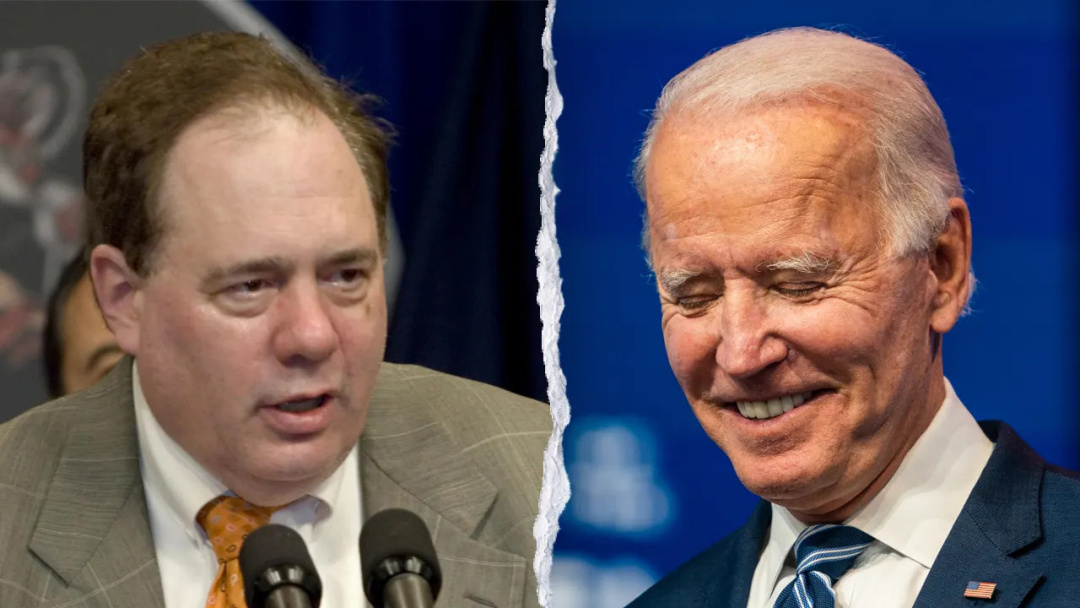
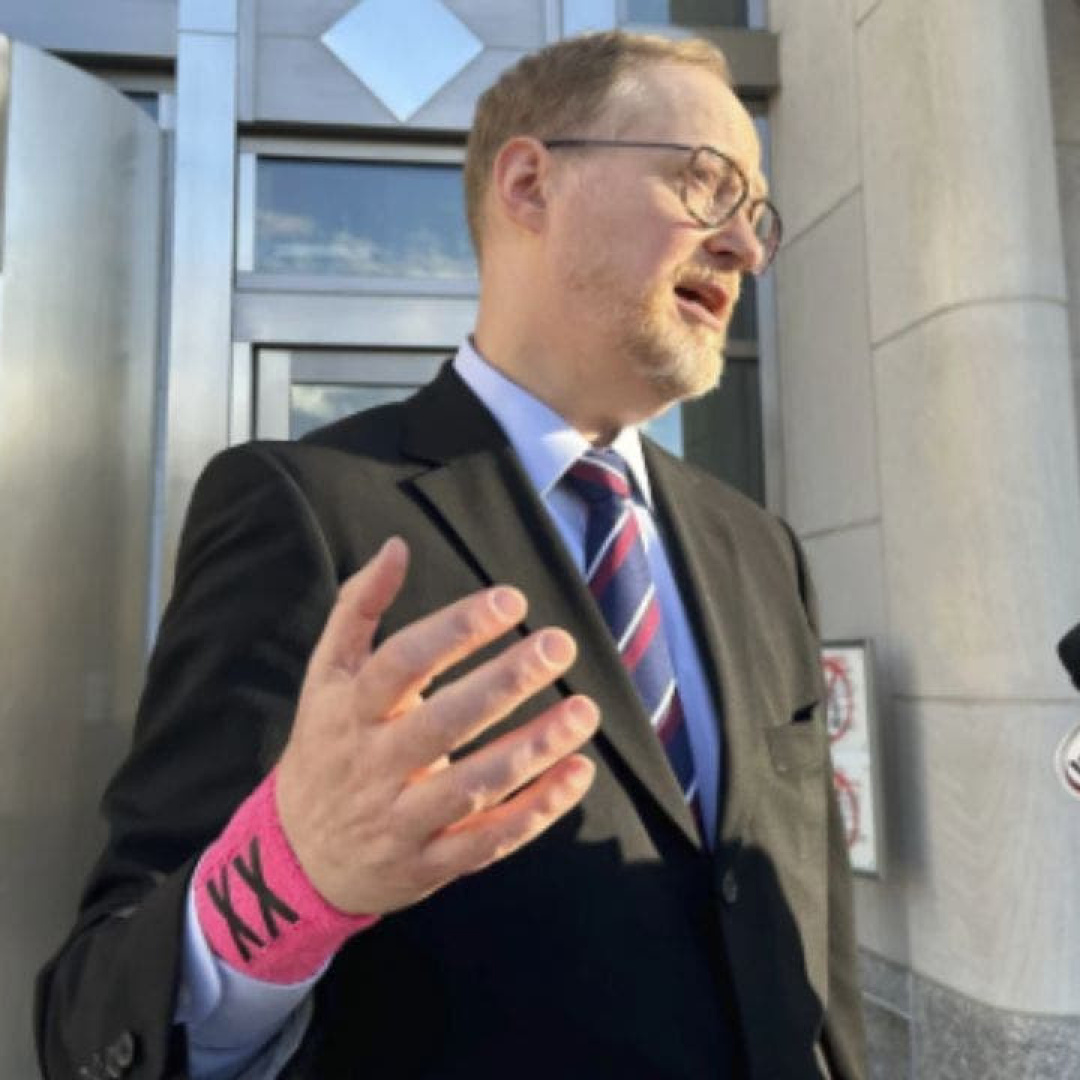
The Supreme Court recently declined to hear an appeal from Mark Cohen, a former Pennsylvania judge who faced suspension due to his partisan political activity on social media. Cohen, who served on the Philadelphia Court of Common Pleas, was suspended after making numerous politically charged posts on Facebook, including expressions of support for President Joe Biden and his policies. Despite warnings to cease such activity, Cohen continued to post, prompting disciplinary action from the Pennsylvania Judicial Conduct Board.
Cohen's legal team argued that his First Amendment rights were violated by the suspension, claiming that judges should not be disciplined based on the perceived tone or volume of their lawful speech. They contended that allowing such disciplinary measures could lead to arbitrary enforcement and political interference within the judiciary. "This case presents an urgent opportunity for the court to restore constitutional clarity and reestablish the First Amendment’s protection of the rights of sitting judges to speak on matters of public concern," Cohen's lawyer stated.
Common Sense Shop
The United States of Common Sense
Amazon shopping links. Sponsor Complete!
However, the Judicial Conduct Board defended the suspension, asserting that Cohen's social media activity constituted partisan cheerleading, which is not appropriate for someone in his position. They emphasized that the suspension was a straightforward application of established rules that judges across the nation have adhered to for decades.
Supreme Court Upholds Lower Court's Ruling
The Supreme Court's decision not to take up Cohen's case means that the lower court's ruling stands, which concluded that the nature of Cohen's posts made him appear to be an advocate for the Democratic Party. Notably, Cohen had previously promoted Biden's Build Back Better legislation and publicly praised the president on social media. His posts also included specific policy positions, such as advocating for higher minimum wage laws and opposing restrictions on elective abortions.
The Common Sense Test
This case highlights the ongoing debate regarding the limits of free speech for judges and the potential implications for judicial independence. As the Supreme Court opens its new term, it faces significant cases involving executive power, gun rights, and religious liberty, making the context of Cohen's suspension particularly relevant to discussions about the role of judges in the political landscape.
Cohen’s suspension not only affects his judicial career but also raises broader questions about the intersection of free speech and judicial conduct. As judges are expected to maintain impartiality, the challenge lies in balancing their personal beliefs and public expressions without compromising the integrity of the judicial system. This case serves as a reminder that while free speech is a fundamental right, the responsibilities that come with public office, particularly in the judiciary, require careful consideration. The implications of this ruling could resonate beyond Pennsylvania, influencing how judges nationwide navigate their roles in a politically charged environment.