Montana's Ballot Proposal Tests Nonpartisan Judicial Elections
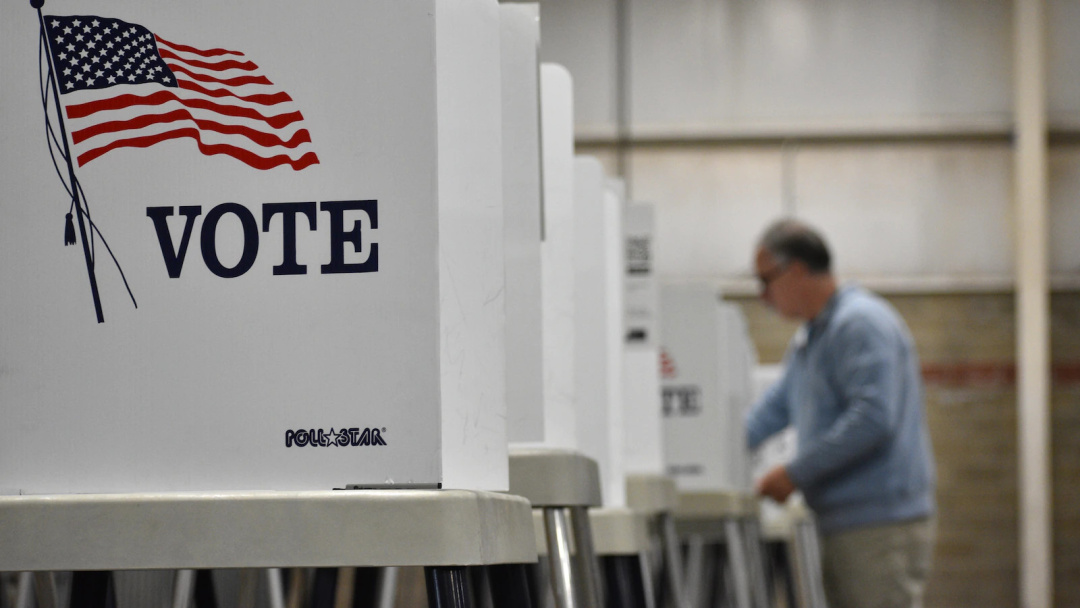
Montana's voters are preparing to cast their ballots on a significant proposal that seeks to enshrine nonpartisan judicial elections in the state constitution. This initiative comes at a time when the state is witnessing a nationwide struggle over judicial appointments that can shape crucial state laws. The push for nonpartisan elections is a response to recent court decisions on contentious issues such as abortion, voting rights, and climate change, which have sparked frustration among Republican officials. In light of these developments, GOP leaders are advocating for a more partisan approach to the state's Supreme Court elections.
As voters head to the polls this November, they will not only decide on the amendment to maintain nonpartisan elections but also choose between two officially nonpartisan candidates for the state Supreme Court. One candidate, Amy Eddy, is supported by organized labor and a Democratic-aligned group, while her opponent, Dan Wilson, has backing from the Republican Party. This dual focus on both a constitutional amendment and a competitive judicial race underscores the heightened stakes involved in this election.
Common Sense Shop
The United States of Common Sense
Amazon shopping links. Sponsor Complete!
The Montana Supreme Court has become a focal point in the broader battle for judicial control, with millions of dollars being spent on campaigns across various states. In 2022, Wisconsin saw over $100 million spent on a pivotal Supreme Court race, reflecting the growing importance of these judicial positions. Although no single seat in Montana is expected to attract such astronomical spending, the upcoming elections are still drawing significant attention from interest groups eager to influence the judiciary's ideological balance.
Deirdre Schifeling, chief political and advocacy officer for the American Civil Liberties Union (ACLU), emphasized the increasing significance of state supreme courts as arbiters of rights and liberties. The ACLU has committed $5.5 million to support Supreme Court races in Montana, Michigan, and North Carolina, highlighting the organization's strategic focus on judicial elections as a means of advancing its agenda.
Judicial Candidates Face Ethical Dilemmas
In the Montana Supreme Court race, both candidates are currently district court judges. Eddy narrowly defeated Wilson in a primary election earlier this year, and they will face off again in the general election. The stakes are particularly high, given the Montana Supreme Court's recent rulings that have struck down laws restricting abortion and upheld residents' rights to a clean environment. Eddy, who has expressed concerns about the influence of political party donations on judicial impartiality, argues that accepting such funds undermines public trust in the judiciary.
Meanwhile, Wilson has criticized Eddy for her acceptance of donations from lawyers, asserting that this practice could be more detrimental to judicial objectivity than party contributions. This ongoing debate illustrates the complex dynamics at play in Montana's judicial elections, as both candidates navigate the pressures of political backing and public perception.
The Common Sense Test
As the November election approaches, the outcome of Montana's ballot proposal and Supreme Court race will have far-reaching implications for the state's judicial landscape and could set a precedent for similar battles in other states. The growing trend of partisan influence in judicial elections raises critical questions about the future of nonpartisan judicial practices across the nation.
Ultimately, the decisions made in this election will not only affect the immediate judicial landscape in Montana but also serve as a bellwether for the national conversation surrounding judicial elections and their role in safeguarding constitutional rights. As the electorate weighs the merits of maintaining nonpartisan elections against the backdrop of increasing partisanship, the implications for the judiciary's independence and integrity remain at the forefront of this pivotal moment in Montana's political history.