Filmmaker Arfat Sheikh Released from ICE Detention Amid Visa Controversy

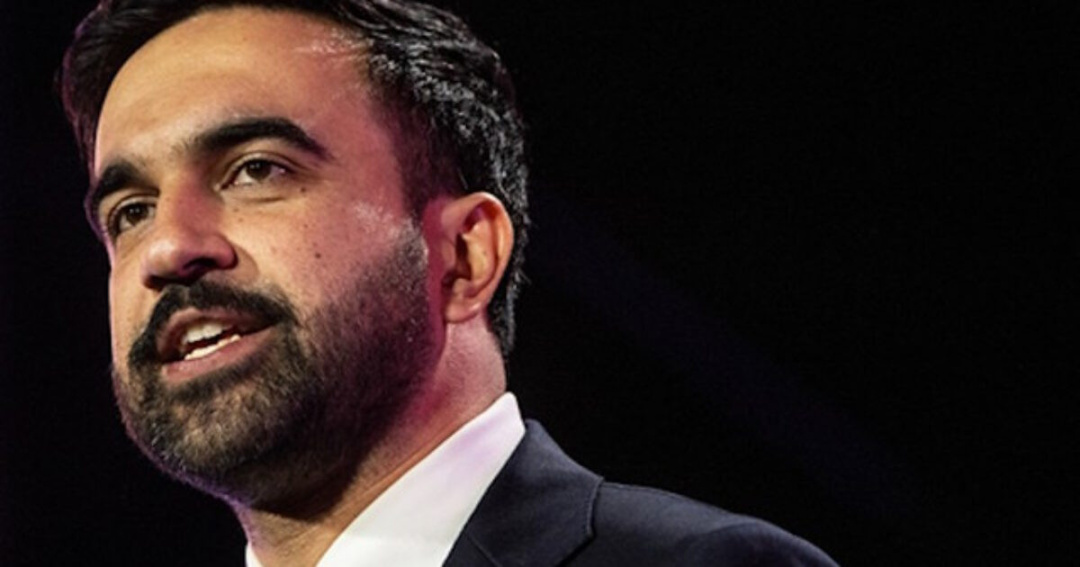
Arfat Sheikh, an award-winning filmmaker from Kashmir, was released from U.S. Immigration and Customs Enforcement (ICE) detention on bond after being held for two weeks. Sheikh's detention began on September 24 when he arrived at Washington Dulles International Airport from California. His family and supporters have labeled his detention as illegal, arguing that he was targeted without proper justification. According to the Department of Homeland Security (DHS), Sheikh overstayed his student visa, which he obtained to pursue graduate studies in film at Georgia State University. Although he entered the U.S. legally in 2019, the DHS maintains that his pending asylum application does not confer legal residency status upon him.
Sheikh's bond was granted on Tuesday, leading to his release on Thursday, but the DHS confirmed that the case against him would continue. The Free Arfat Sheikh campaign, which has been advocating for his release, emphasizes that Sheikh's situation highlights broader issues within the U.S. immigration system, particularly regarding how asylum seekers are treated. As part of the advocacy efforts, supporters have pointed out Sheikh's contributions to the film industry, noting that his first feature film, "Saffron Kingdom," won multiple awards at various film festivals, including the Chicago Filmmakers Awards and the Melbourne Independent Film Festival.
Common Sense Shop
The United States of Common Sense
Amazon shopping links. Sponsor Complete!
When Sheikh was detained, he was reportedly accompanied by fellow filmmaker Tara Dorabji, who recounted the moment of his arrest. She stated that Sheikh recognized the situation immediately, exclaiming, "Tara, Tara, This is ICE. They have come for me." Dorabji noted that the officers involved were in plain clothes and did not present any official identification or warrant at the time of the incident, which raises questions about the procedures followed by ICE during such detentions.
The implications of Sheikh's case are significant, as they reflect ongoing tensions surrounding immigration enforcement in the U.S. Critics argue that the system often fails to protect individuals who are in the process of seeking asylum, leaving them vulnerable to detention and deportation despite their legal entry into the country. As Sheikh's case progresses, it will be crucial to observe how the DHS navigates the complexities of immigration law and the rights of those who seek refuge in the United States.
The Common Sense Test
Ultimately, Sheikh's situation serves as a reminder of the challenges faced by many immigrants in the U.S. It raises important questions about the balance between national security and the humane treatment of individuals seeking asylum. As the case unfolds, it will be essential to scrutinize the actions of immigration authorities and advocate for policies that uphold the principles of justice and fairness, ensuring that individuals like Sheikh are treated with dignity and respect throughout the legal process.