Data Center Expansion Poses Dilemma for GOP Ahead of 2026 Elections
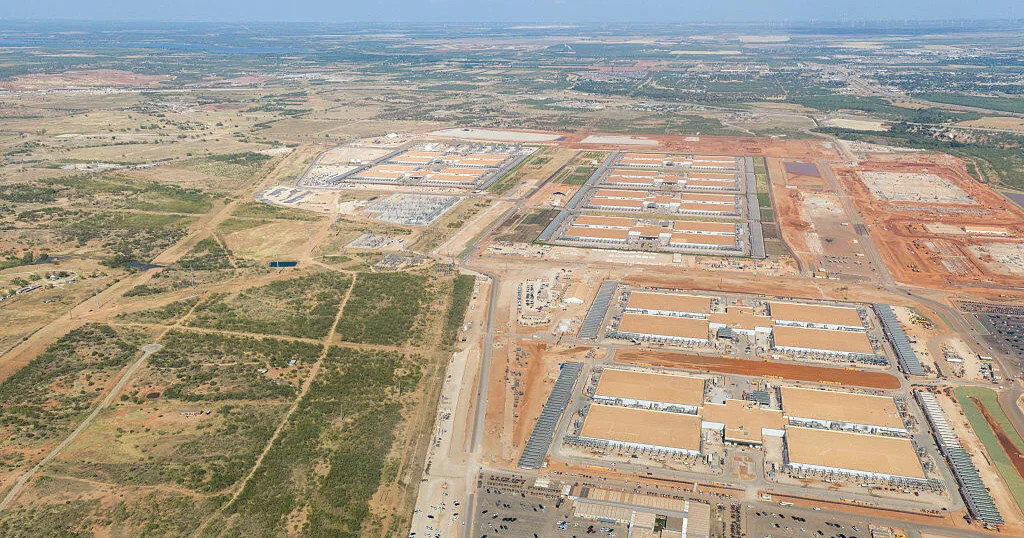
A year ago, data centers were not a topic of significant discussion among voters. However, the rapid growth of these facilities, driven by the demands of the AI boom, has transformed them into a critical issue for the 2026 midterm elections. Their construction is creating a rift between the Trump administration's support for data centers and the concerns of Republican candidates in both state and federal races.
Following the launch of ChatGPT in late 2022, data centers were primarily being established in blue states. By 2025, however, a striking 68% of operational data centers were located in red states. Current data from Cleanview Research reveals that 75% of data centers under construction and 80% of those in the planning stages are in predominantly Republican states. This trend raises questions about the implications for GOP candidates as they prepare for the upcoming elections.
Common Sense Shop
The United States of Common Sense
Amazon shopping links. Sponsor Complete!
Chris Millay, a data center analyst at Greenmantle, notes that red states have a history of accommodating large, energy-intensive infrastructure projects, often with fewer environmental regulations and more available land. This has made them attractive locations for data center investment, even as local communities express growing concerns about their potential negative impacts.
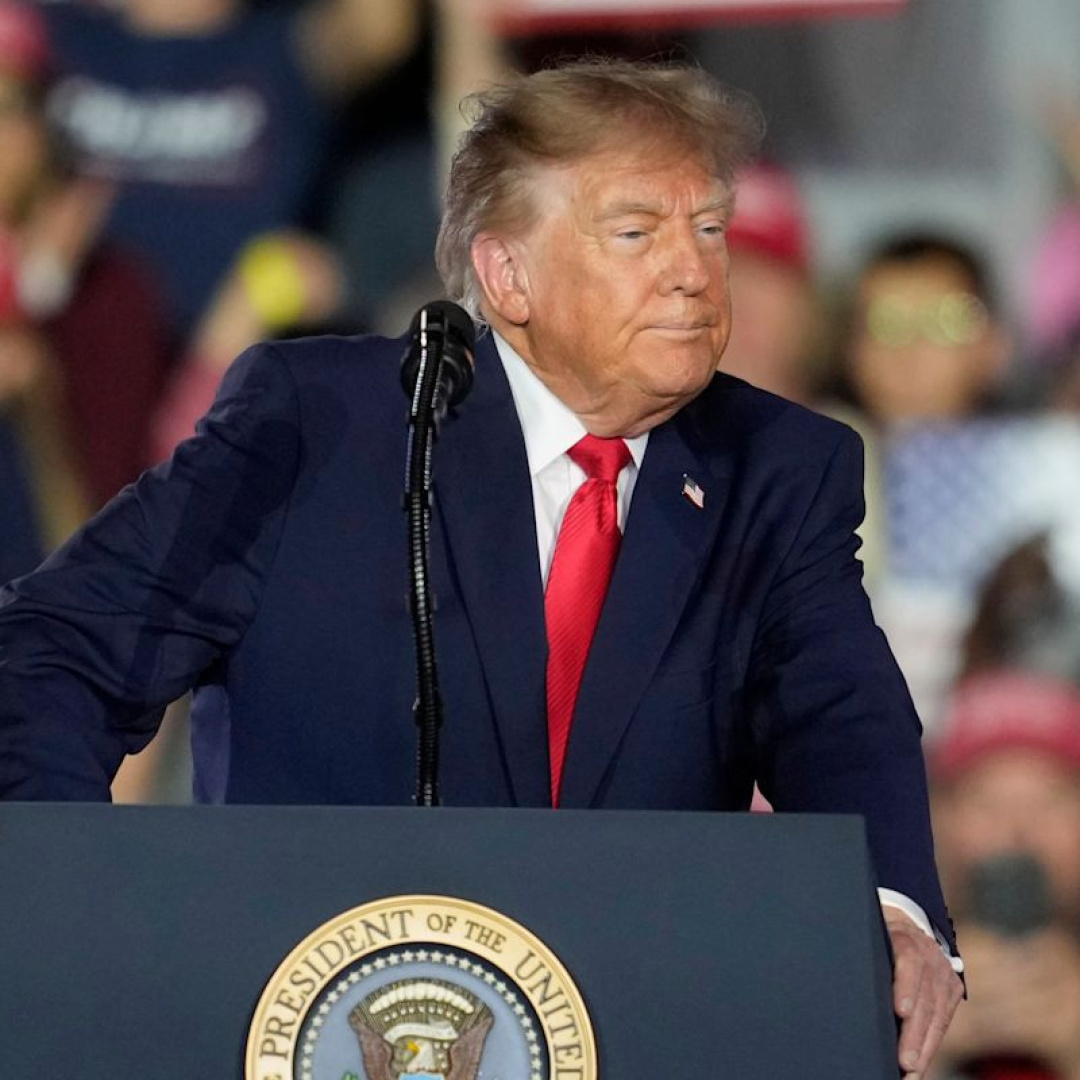
Former President Trump is a vocal advocate for the expansion of data centers, viewing them as vital to the economy and national security. At a recent rally in Ohio, he emphasized the economic benefits of data centers, arguing that shutting them down would drive business overseas. He has dismissed community opposition, suggesting that resistance to data centers reflects a desire for backwardness and poverty. Despite his support, however, many Republican leaders are beginning to distance themselves from this stance as public discontent grows.
Residents near data centers have raised alarms about declining property values, increased noise, higher energy costs, and resource depletion. Polls indicate that opposition to data centers is prevalent, with a 30-point margin showing more voters against than in favor of such developments. Millay points out that this issue has become so widely agreed upon that it is difficult for politicians to take a pro-data center position without risking voter trust.
Political Responses to Data Center Concerns
In Texas, where the most data centers are currently under construction, GOP Governor Greg Abbott has halted environmental permits and grid connections for new projects amid rising public concern. Abbott, facing a competitive race for re-election, is responding to the growing backlash against data centers. Similarly, Texas Attorney General Ken Paxton has proposed ending sales tax breaks for data centers and holding them accountable for any harm caused to children through AI technologies.
Interestingly, the issue of data centers has led to a rare alignment between Democratic and Republican candidates. In Ohio, Democratic gubernatorial nominee Amy Acton has called for a conditional moratorium on data center construction, while her GOP opponent, Vivek Ramaswamy, has pledged to halt new project approvals until a law requiring free electricity for local residents is enacted. This convergence of opinions highlights the significant political stakes surrounding data centers as both parties recognize the need to address voter concerns.
The Common Sense Test
As campaigns ramp up, significant ad spending is being directed toward the data center issue. In Ohio, a recent poll showed Republican Senator Jon Husted trailing his opponent by 11 points on this topic, indicating that data centers could be a vulnerability for GOP candidates. In Georgia, where candidates have invested nearly $13 million in ads related to data centers, the Republican gubernatorial candidate, Rick Jackson, continues to align with Trump while facing calls for a temporary construction moratorium from his Democratic opponent.
The choices Republican candidates make regarding data centers, whether to side with their constituents or with the former president, could have profound implications for the future of these projects and, ultimately, their electoral success. As the 2026 midterm elections approach, the data center boom presents a complex challenge for the GOP, one that could shape the political landscape in unexpected ways.