Lawsuit Against Pentagon Raises First Amendment Concerns for Journalists
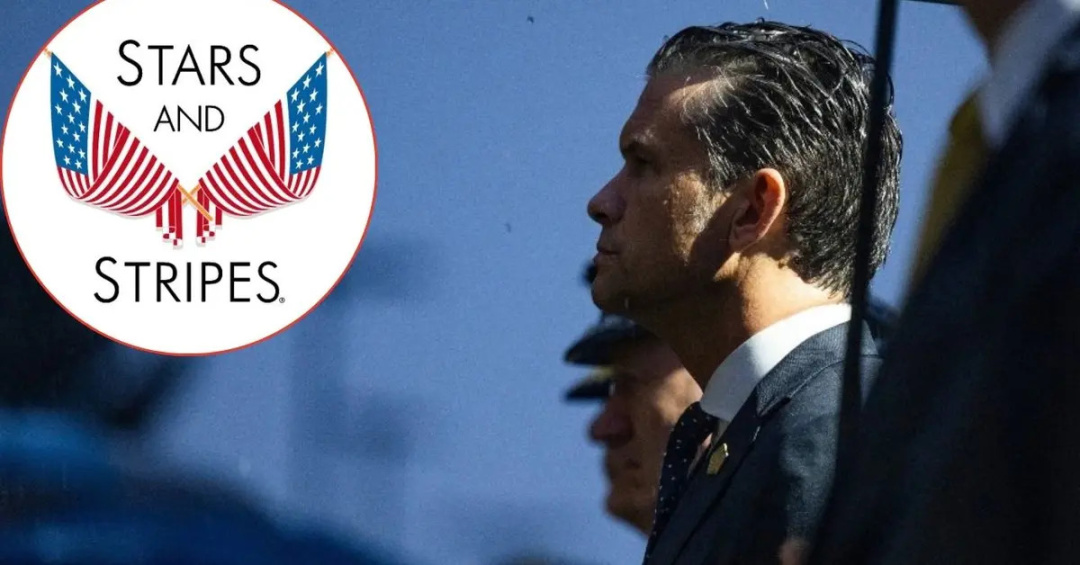
On October 6, 2026, U.S. District Judge Amit Mehta ruled against the Pentagon's attempt to dismiss a lawsuit filed by Jacqueline Smith, a former ombudsman for 'Stars and Stripes.' Smith alleges that her termination was retaliation for her criticism of Defense Department policies that threaten the newspaper's editorial independence. This lawsuit has significant implications for First Amendment protections for journalists employed by the government.
Smith served as the ombudsman until April 2026, when she was informed that her employment would end just weeks after publishing a column that criticized a new Pentagon directive. This directive prohibited 'Stars and Stripes' from publishing comic strips and other syndicated material. In her April 8 column, Smith expressed her concerns about what she perceived as the Defense Department's attempts to censor the publication and undermine its independence.
Common Sense Shop
The United States of Common Sense
Amazon shopping links. Sponsor Complete!
Following the publication of her column, Smith received a termination notice on April 21, effective April 28. She subsequently filed a lawsuit in June, asserting that her firing was in retaliation for her constitutionally protected speech. Smith sought an injunction to reinstate her as ombudsman until the end of her term in December, but Judge Mehta denied that request, stating that she had not shown a likelihood of success on the merits of her claim.
The judge noted that Smith's column appeared to be written in her official capacity rather than as a private citizen, which complicates the application of First Amendment protections. However, he did not dismiss her lawsuit, emphasizing the potential implications for journalists at 'Stars and Stripes' and questioning whether government employees engaged in journalistic work should be afforded the same protections as other journalists.
Potential Risks for Military Journalists
Mehta raised concerns that if the government's argument were strictly applied, it could result in a situation where journalists could face adverse employment actions for reporting that displeases their superiors. He warned that such a scenario could render the First Amendment a hollow promise for journalists working within the military framework.
The Common Sense Test
The Pentagon has until October 20 to renew its motion to dismiss or respond to the lawsuit. Officials have argued that they have a vested interest in the content produced by 'Stars and Stripes' and that Smith's column was intended to undermine the department's policies. Smith has publicly linked her termination to her outspoken criticism of Pentagon leadership and their attempts to control the newspaper's editorial content.
This case not only highlights the ongoing tensions between government oversight and journalistic independence but also raises critical questions about the protection of free speech for those working within government-funded media outlets. The outcome could set a precedent for how First Amendment rights are interpreted for journalists in similar positions.