Turkey's Escalating Internet Censorship Raises Concerns
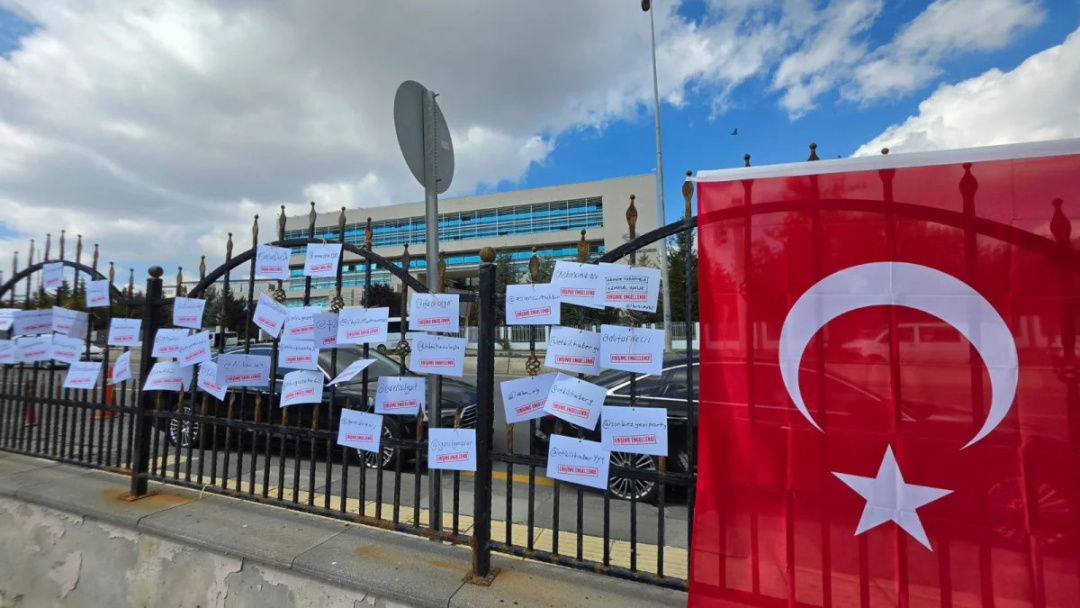
In recent weeks, Turkish authorities have dramatically escalated their internet censorship efforts, as highlighted by a coalition of organizations including Human Rights Watch and ARTICLE 19. These groups are urging social media platforms to take immediate action to uphold their human rights responsibilities and avoid contributing to the suppression of independent media. They are calling on the Turkish government to cease issuing blocking orders that infringe upon the right to freedom of expression.
In September 2026 alone, the Freedom of Expression Association (İFÖD) documented that Turkish courts ordered the blocking of at least 1,270 accounts on the social media platform X, which collectively had a following of 35 million users. Notably, X complied with approximately 90 percent of these orders by geo-blocking them, limiting access to Turkish users. Many of the blocked accounts belonged to activists and organizations advocating for LGBTQ+ rights, while others were cited under vague claims of "national security and public order."
Common Sense Shop
The United States of Common Sense
Amazon shopping links. Sponsor Complete!
Among the accounts affected were those of prominent news outlets like soL Haber and Mezopotamya Ajansı, as well as rights organizations such as Amnesty Türkiye and the Media and Law Studies Association (MLSA). The blocking of T24, one of Turkey's largest independent news platforms, is particularly alarming. On September 29, access to T24's website and its X account, which had 1.9 million followers, was blocked due to a court order that claimed the content threatened the Turkish family structure and could adversely affect youth regarding sexual orientation and gender identity.
The order provided no substantial explanation for how the content posed a threat to public order, raising concerns about the government's justification for such sweeping censorship measures. This incident is part of a broader crackdown on LGBTQ+ rights activists and organizations, with at least 96 accounts being blocked under similar justifications.
The use of Article 8/A of Turkey's Internet Law has been a longstanding issue, allowing authorities to remove or block online content deemed a threat to national security or public order. This law has been used since its introduction in 2015, with notable instances of censorship including the blocking of Wikipedia for 2.5 years and Ekşi Sözlük for a year. The Constitutional Court eventually restored access to these sites, ruling that the blanket bans violated freedom of expression. However, the use of Article 8/A has intensified since 2025, with limited oversight and recourse for those affected.
New Measures to Tighten Internet Control
Recent developments indicate that the Turkish government is taking further steps to centralize and accelerate internet censorship. Law No. 7590, enacted on July 31, transferred powers from the Information and Communication Technologies Authority to the Cybersecurity Directorate, which is directly linked to the presidency. This shift raises concerns about the consolidation of executive control over information and the potential for increased censorship.
In addition, the establishment of new "Digital Space Security and Countering Disinformation Bureaux" was announced, where specialized public prosecutors will monitor digital platforms for criminal content and disinformation. This initiative aims to identify suspects and initiate criminal proceedings more swiftly, further tightening the grip on online discourse.
Social media platforms play a crucial role in this censorship landscape. Users have reported receiving notifications from X stating their accounts were withheld under Article 8/A without clear explanations. This lack of transparency prevents users from understanding the legal basis for the restrictions or appealing the decisions effectively. Neither X nor Meta has provided public comments regarding their compliance with Turkish courts' censorship orders, raising questions about their commitment to upholding human rights standards.
The Common Sense Test
Human Rights Watch emphasizes the responsibility of social media companies to respect human rights and avoid complicity in government censorship. They urge platforms like X and Meta to resist complying with arbitrary requests and to review appeals to restrictions promptly.
As Turkey's government continues to tighten its grip on online expression, the international community must remain vigilant and advocate for the protection of freedom of expression and the rights of individuals in the digital space. The situation underscores the critical need for transparency and accountability in how governments regulate online content and the responsibilities of social media platforms in upholding human rights.