Pentagon's Plan to Livestream Military Execution Sparks Controversy
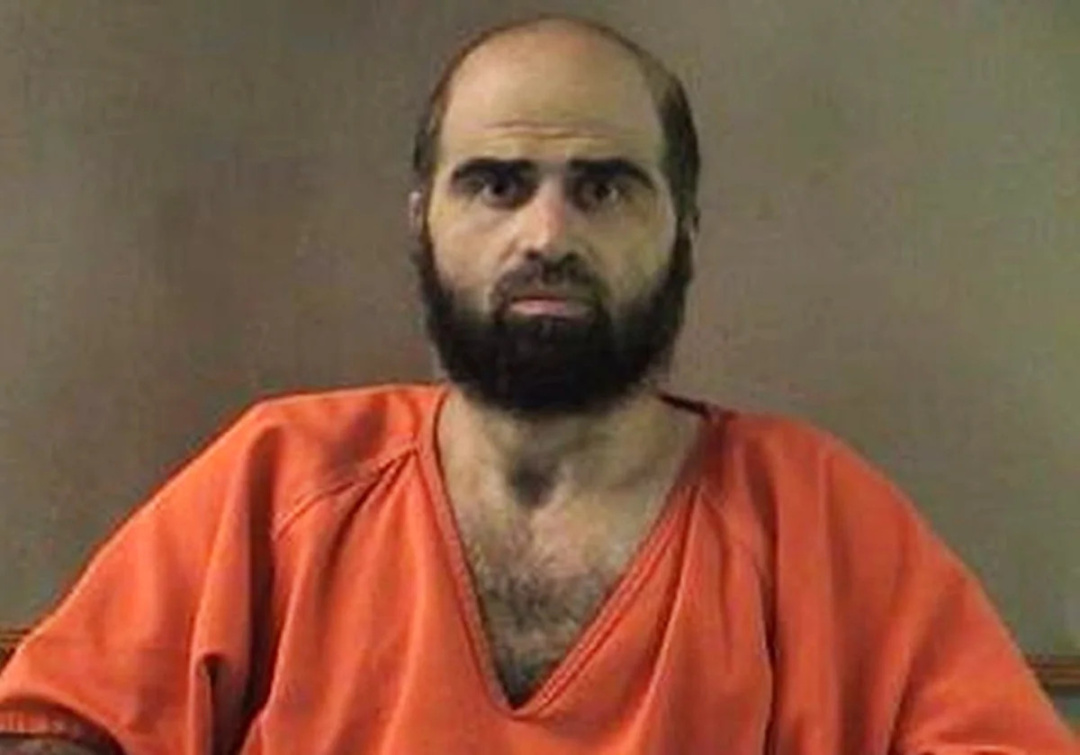
For nearly nine decades, executions in the United States have been conducted in private, often hidden from public view. However, a recent announcement from the Pentagon has the potential to change this long-standing practice. The upcoming execution of Nidal Malik Hasan, who was convicted of killing 13 people in a 2009 shooting at Fort Hood, is set to be livestreamed, marking the first military execution in over 65 years. This decision has reignited discussions about the nature of public executions and their place in modern society.
Historically, public executions were seen as community events, drawing large crowds who viewed them as both a deterrent to crime and a form of entertainment. Michael L. Radelet, a professor emeritus at the University of Colorado Boulder, notes that in the past, families would bring children to executions as a form of moral education. These events often included public speeches and even musical performances, creating a carnival-like atmosphere. The last public execution in the U.S. occurred in the 1930s, with the hanging of Rainey Bethea in Kentucky, which attracted thousands of spectators.
Common Sense Shop
The United States of Common Sense
Amazon shopping links. Sponsor Complete!
As societal attitudes towards capital punishment evolved, public executions fell out of favor. Concerns about the morality of such spectacles grew, particularly as botched executions became more common. Radelet explains that the gruesome nature of some executions turned public sentiment against them, leading to a shift towards private executions that emphasize the solemnity of the occasion.
The livestreaming of Hasan's execution raises numerous legal and ethical questions. Robin Maher, executive director of the Death Penalty Information Center, points out that there is currently no existing regulation or precedent for broadcasting an execution in this manner. The implications of such a decision could be profound, affecting not only the dignity of the defendant but also the public's perception of capital punishment.
Debate Over Livestreaming Execution Pros and Cons
Experts are divided on the potential benefits and drawbacks of livestreaming executions. Some, like Deborah Denno, a law professor at Fordham University, argue that increased transparency could inform the public about the realities of capital punishment, especially in light of recent controversies surrounding botched executions. Others, however, express skepticism about the motivations behind the decision, suggesting it may be more about spectacle than justice.
The Common Sense Test
As the date of Hasan's execution approaches, the question remains whether the Army's decision to livestream will lead to a broader acceptance of public executions or further complicate the already contentious debate surrounding capital punishment in the United States. The potential for Hasan to file a habeas petition could also delay the execution, adding another layer of complexity to this evolving situation.
Ultimately, the decision to livestream an execution raises critical questions about the values we uphold as a society. While transparency in the justice system is important, it is equally vital to consider the implications of turning a solemn event into a public spectacle. As this unprecedented situation unfolds, it will be essential to weigh the potential benefits of transparency against the risks of desensitizing society to the gravity of capital punishment. The upcoming execution of Nidal Malik Hasan may serve as a litmus test for the future of public executions in America, challenging us to reflect on what we deem acceptable in our pursuit of justice and accountability.