Key Senate Races to Watch in the 2026 Midterms
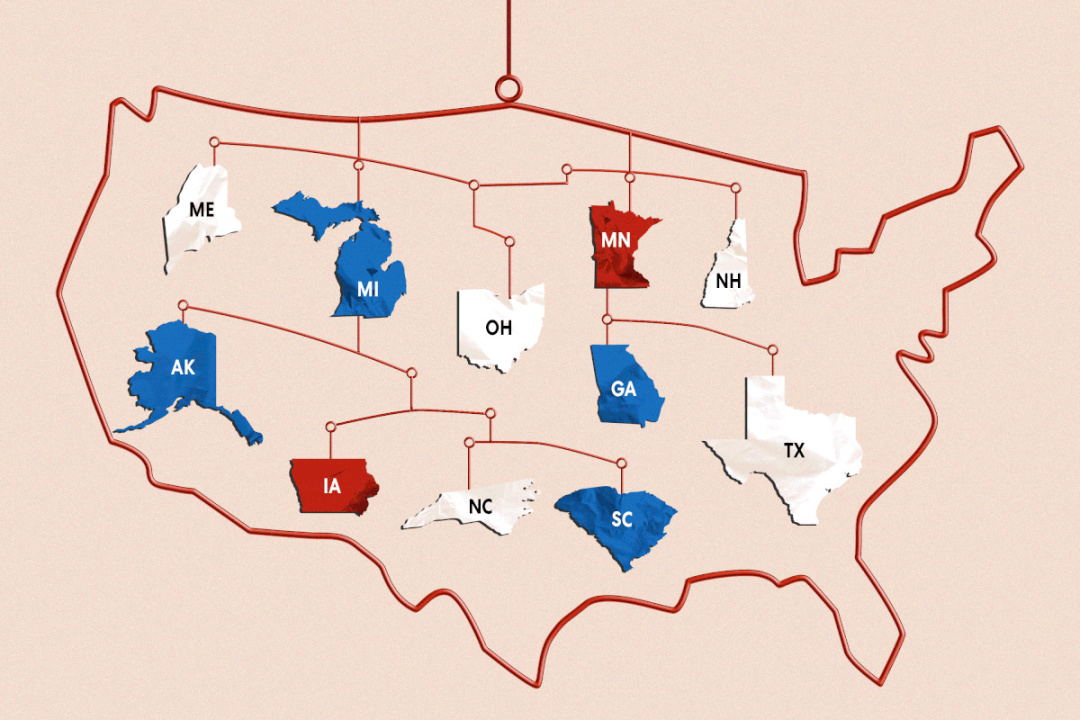
The 2026 midterm elections are shaping up to be a critical moment for both major political parties in the United States, particularly with control of the Senate at stake. With 35 Senate seats on the ballot, the dynamics of the races could significantly influence the legislative landscape for the final two years of President Trump's presidency. Currently, Republicans hold a 53-47 majority, allowing them to lose three seats while still maintaining control, thanks to Vice President JD Vance's ability to break ties in the Senate.
Forecasters are predicting that while Democrats may flip the House, the Senate is viewed as a "true toss-up." This uncertainty is largely due to the competitive nature of key battleground states, which include both traditional swing states and areas where Democrats have historically struggled to gain traction. The outcome of these races could empower Democrats to block or reshape Trump's legislative agenda, as control of the Senate would grant them significant influence over key nominations and investigations.
Common Sense Shop
The United States of Common Sense
Amazon shopping links. Sponsor Complete!
One of the most intriguing races is in Alaska, where incumbent Republican Dan Sullivan is seeking a third term. Despite Alaska's reputation as a solidly red state, the presence of former Democratic Representative Mary Peltola complicates Sullivan's path to reelection. Peltola, notable for being the first Alaska Native and first woman to represent the state in Congress, poses a rare challenge in a state that has not elected a Democrat to the Senate in nearly half a century. Additionally, the ballot will feature another candidate named Dan J. Sullivan, which could create confusion among voters.
In Florida, incumbent Republican Senator Ashley Moody faces a challenge from Democrat Angie Nixon. Although the GOP has won the last two Senate races in Florida by significant margins, Nixon's campaign is gaining traction, though forecasters still rate the race as favoring Republicans.
Georgia's Senate race is another focal point, with Democrat Jon Ossoff vying for reelection against Republican Mike Collins. Ossoff's previous victory in a tight runoff has made him a prominent figure in the Democratic Party, and polls currently show him leading Collins, who has faced scrutiny for controversial social media posts.
Iowa's Competitive Senate Race Emerges
Meanwhile, in Iowa, the retirement of Republican Senator Joni Ernst opens the door for a competitive race. Democrat Josh Turek, a state lawmaker and Paralympic gold medalist, is challenging Republican Ashley Hinson. Although Iowa has leaned Republican in recent years, Turek's campaign is focusing on issues affecting local farmers, making this race one to watch.
As the midterms draw closer, the stakes could not be higher. The balance of power in the Senate will not only shape the legislative agenda but also influence the direction of the Republican Party and its relationship with the Trump administration. With several races too close to call, the outcome will hinge on voter turnout and the ability of candidates to connect with their constituents on key issues.
The Common Sense Test
In states like Kansas and Maine, Republicans face challenges from Democratic candidates who are gaining unexpected support. Kansas has not elected a Democrat to the Senate in nearly a century, yet incumbent Roger Marshall is facing a competitive race against pastor Adam Hamilton. Similarly, in Maine, Senator Susan Collins has historically outperformed her party but is now facing a formidable challenge from Democrat Troy Jackson, who has been quick to tie Collins to controversial decisions made during her tenure.
As these races unfold, the implications for the Senate and the broader political landscape will be profound. With Democrats needing to flip just a few seats to gain control, the upcoming midterms will be a litmus test for both parties as they seek to solidify their power in Washington.