Ohio Blogger Convicted for Sending Explicit Meme to State Senator

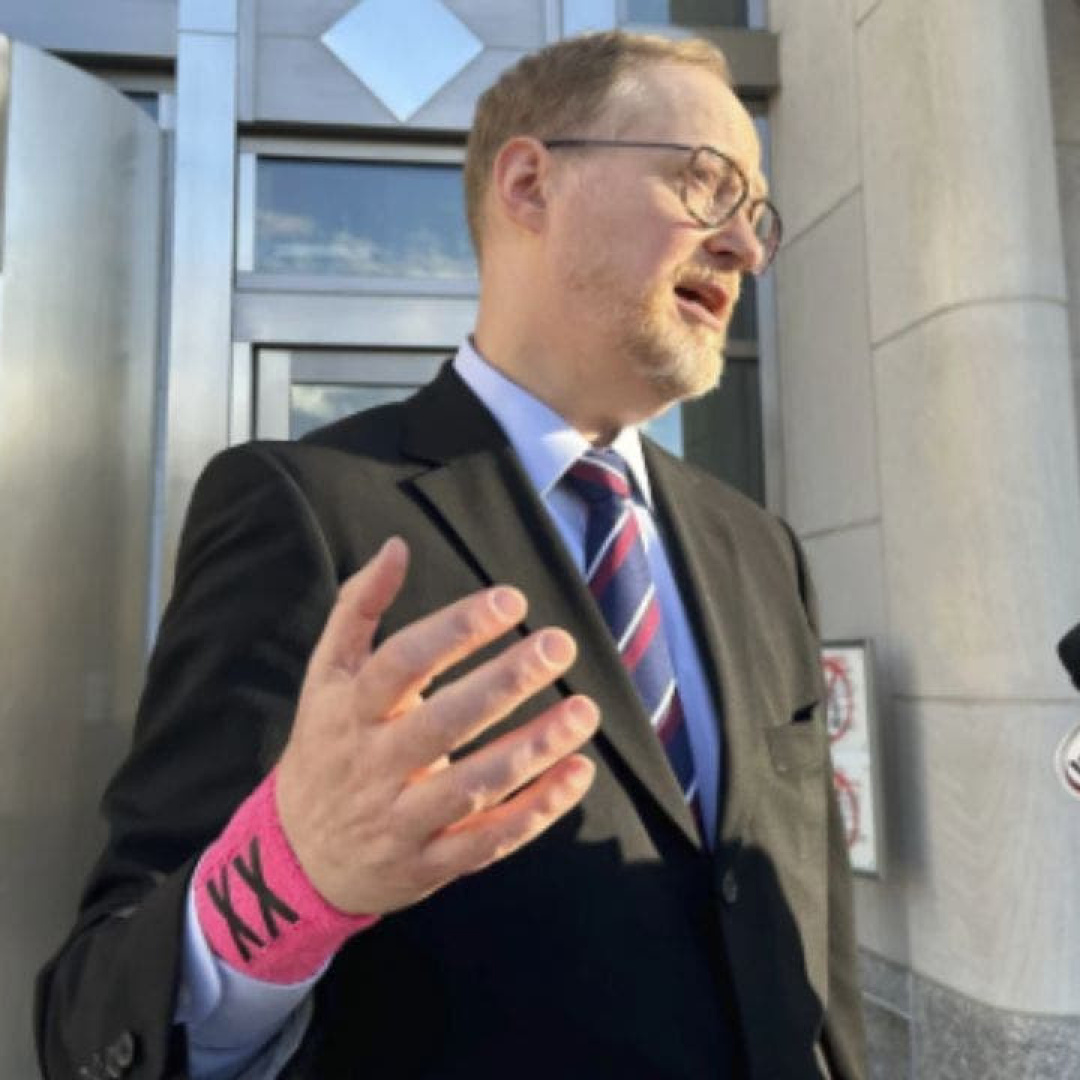
D.J. Byrnes, a political commentator from Ohio known online as "The Rooster," was found guilty of telecommunications harassment on October 9 for sending a sexually explicit meme featuring Shrek to Republican State Senator Jerry Cirino. The incident occurred in May 2026, shortly after Cirino had withdrawn from the race for president of the Ohio Senate.
Byrnes, who had been openly critical of Cirino, sent several mocking text messages along with a digitally altered image depicting Shrek in a vulgar manner. Cirino reported the matter to the police, describing the image as offensive and pornographic. He stated that this message was the final straw after a series of previous interactions with Byrnes that he found troubling.
Common Sense Shop
The United States of Common Sense
Amazon shopping links. Sponsor Complete!
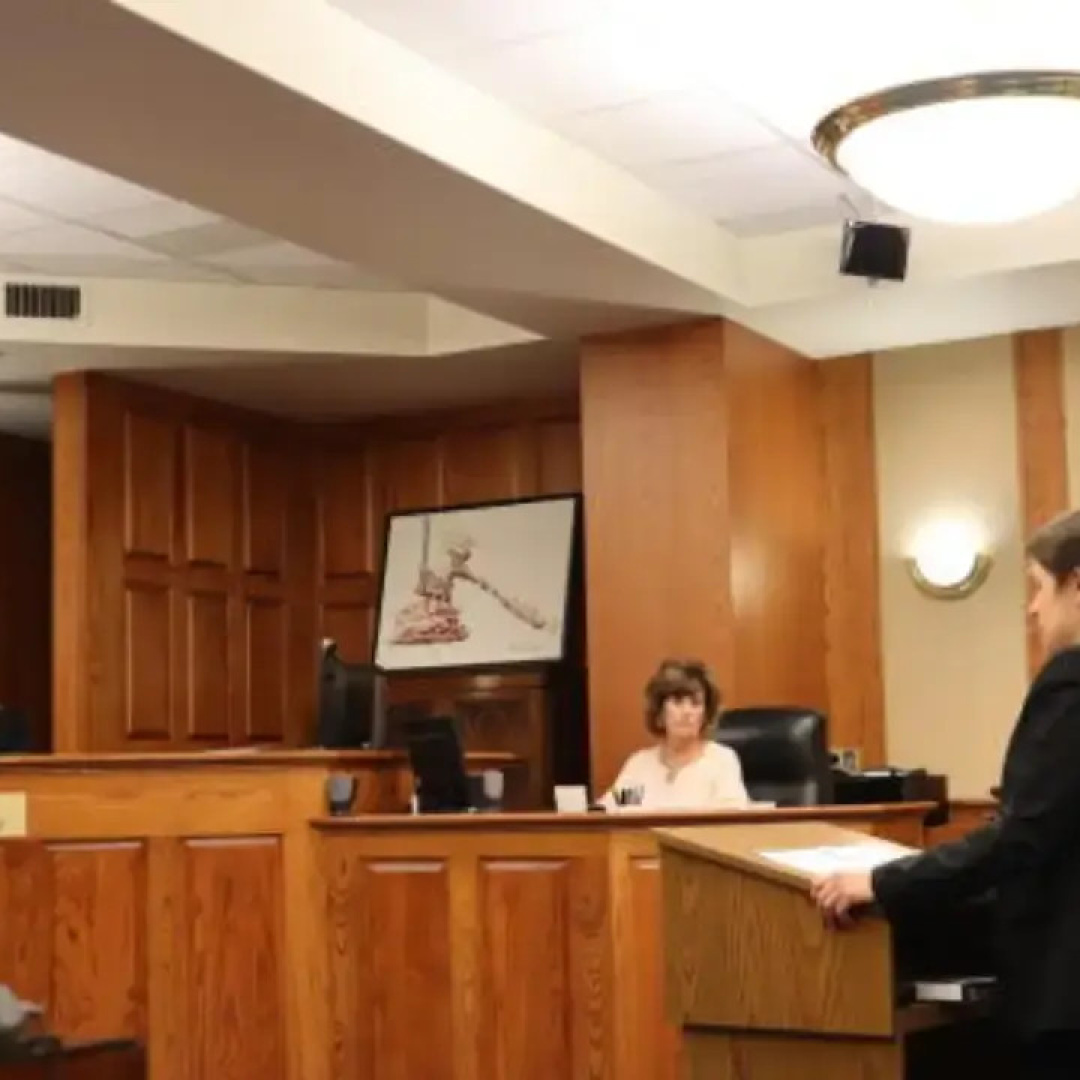
In June, Byrnes was arrested and pleaded not guilty, claiming that his messages were a form of political satire protected by the First Amendment. His defense argued that the meme was intended to ridicule Cirino's political defeat rather than to harass him. However, a jury in Lake County deliberated for about 30 minutes before reaching a guilty verdict.
Byrnes faced a potential six-month jail sentence and a $1,000 fine, but Judge Michael Cicconetti opted for a lighter punishment, ordering him to pay only $200 plus court costs without imposing additional jail time. Prosecutors had also sought a no-contact order against Byrnes, but the judge declined this request, issuing a warning instead.
Legal Justifications for the Verdict
Cirino defended his decision to pursue the case, stating, "This wasn’t a free speech issue; this was a harassment statute that I believed he was in violation of." Following the verdict, Byrnes refrained from commenting but his attorneys indicated plans to appeal the decision.
The Common Sense Test
This case illustrates the ongoing debate about the limits of free speech in political contexts. While Byrnes contended that his actions fell under the protection of the First Amendment, the court found that the nature of his communications crossed the line into harassment. This raises important questions about how political discourse is conducted and the responsibilities that come with exercising free speech, particularly in direct communications that can be perceived as threatening or offensive.
As the legal landscape around free speech continues to evolve, this case serves as a reminder of the potential consequences of online behavior, especially when it intersects with political figures. The distinction between political satire and harassment is a fine line, and this verdict may set a precedent for future cases involving similar issues. It is crucial for individuals engaging in political commentary to consider the implications of their words and images, ensuring that they remain within the bounds of respectful discourse while still exercising their rights.