Houthi Attacks on Saudi Airports Kill Three, Prompt U.S. Security Alert
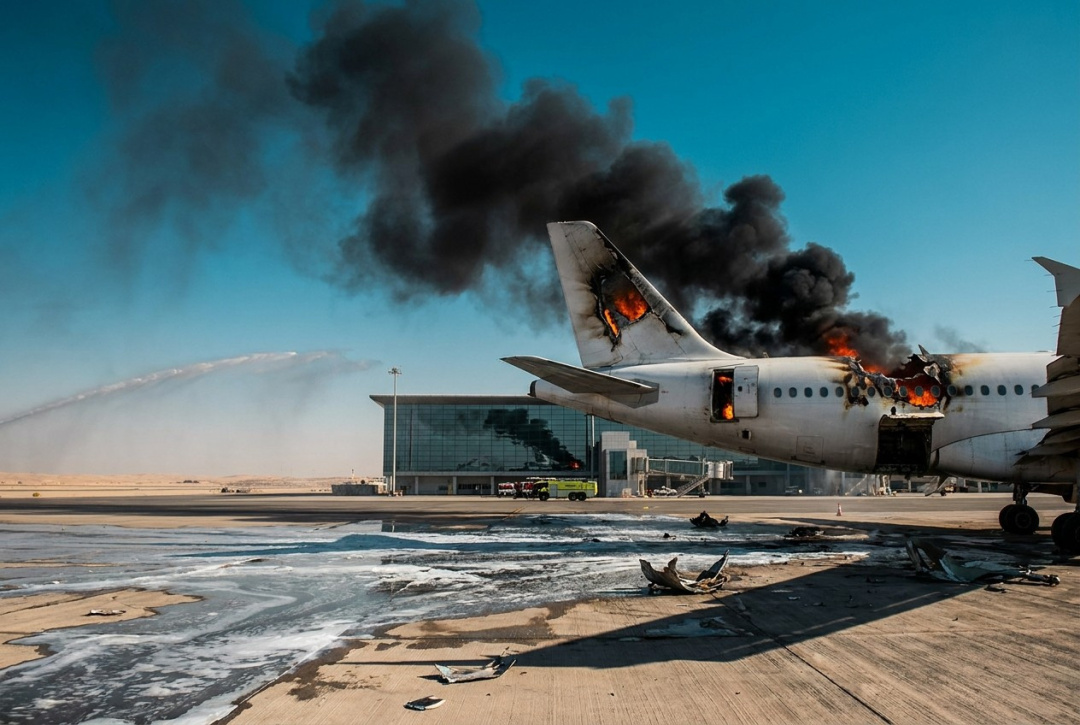
Iran-backed Houthi rebels have escalated their campaign against Saudi Arabia by attacking two civilian airports this week, resulting in the tragic deaths of three Saudi citizens and injuring 36 others. The assaults occurred on October 6-7 at Abha International Airport and King Khalid International Airport in Riyadh, with the Houthi group claiming responsibility for these violent acts.
In response to these attacks, the U.S. State Department issued a security alert on Thursday, urging American citizens throughout the Middle East to exercise heightened vigilance. The alert underscored the potential for Iran and its allied groups to target U.S. interests in the region, warning of possible flight cancellations, airspace closures, and other travel disruptions. This development highlights the growing theater of hostilities that extends beyond Yemen's borders.
Common Sense Shop
The United States of Common Sense
Amazon shopping links. Sponsor Complete!
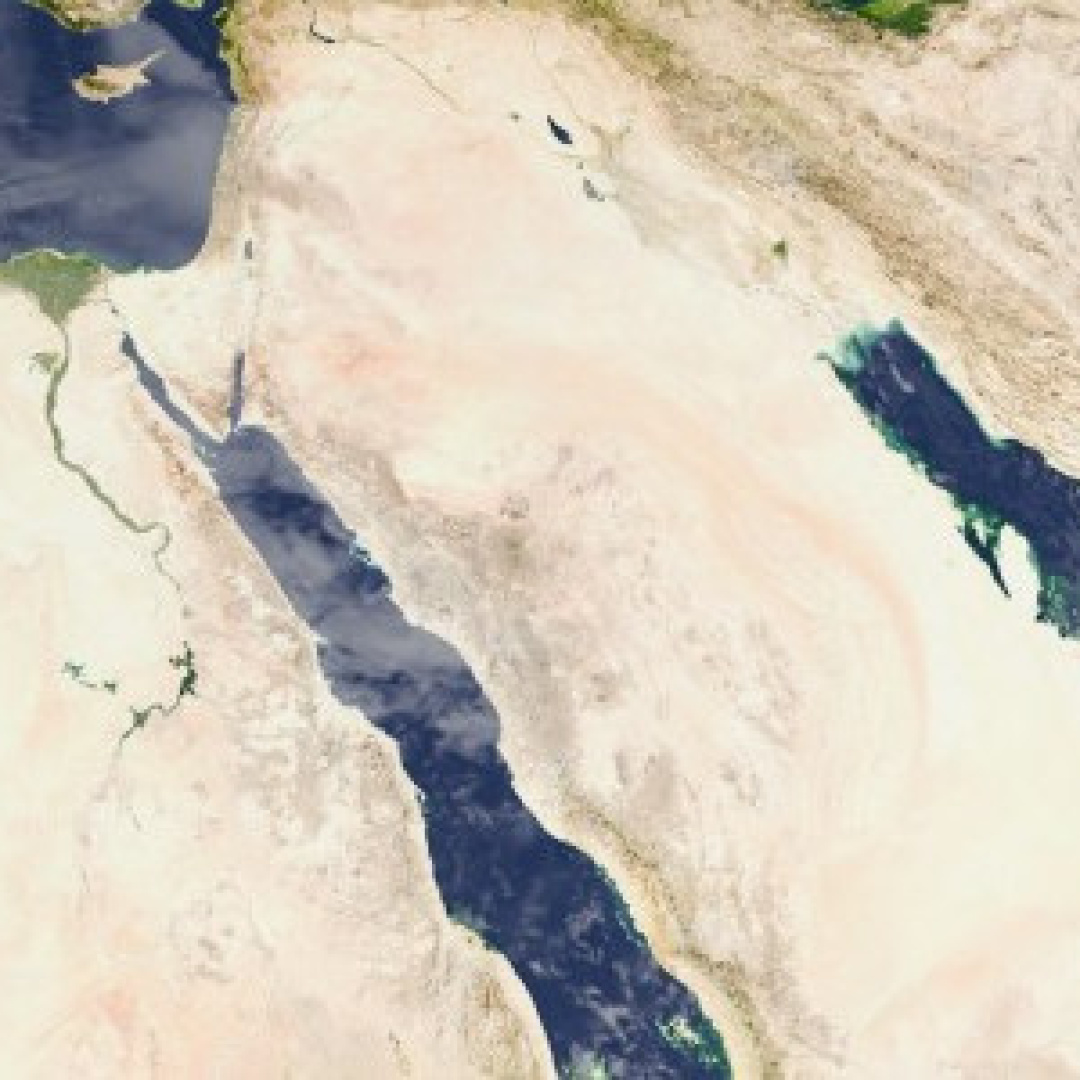
The Houthi attacks are seen as retaliation against Saudi Arabia for its support of Yemen's U.N.-recognized government, which has launched a significant offensive in recent weeks with Saudi air support. Yemeni Minister of Information Moammar al-Eryani reported on October 5 that government forces had made substantial gains in Dhubab, a strategic area adjacent to the Bab el-Mandeb strait, which is crucial for global oil trade.
Saudi forces have successfully recaptured an airstrip in Dhubab and have effectively cut off Houthi forces in the region, although fighting continues. The offensive aims to reclaim territory held by the Houthis, who have maintained control over large parts of northern Yemen since 2014.
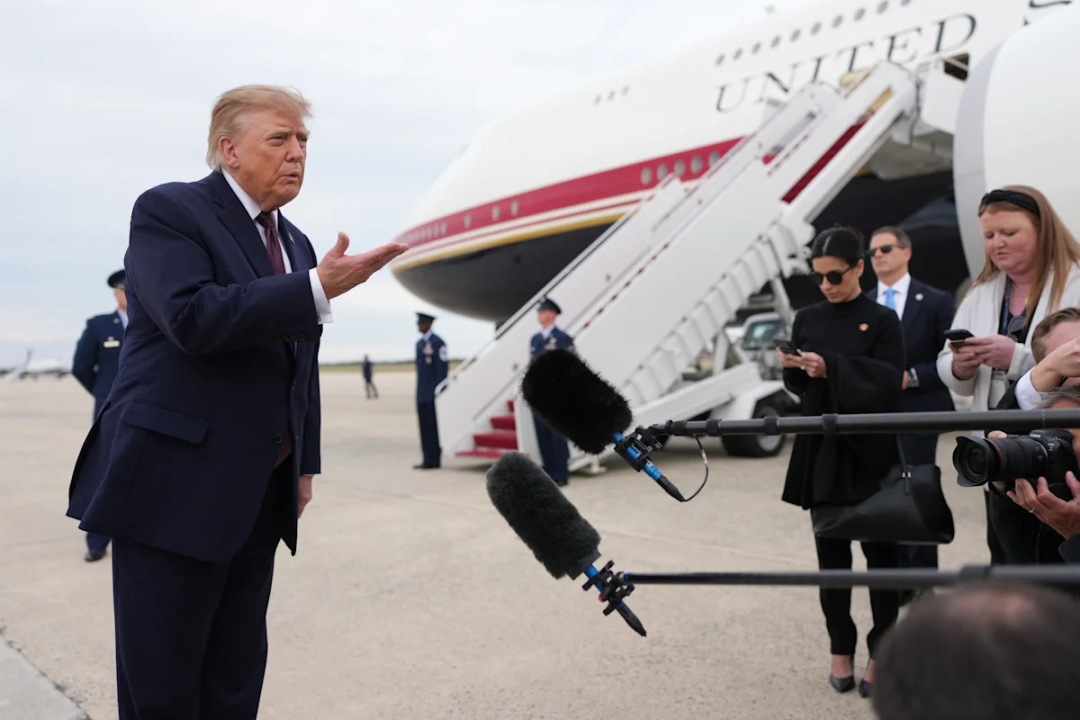
These attacks come at a politically sensitive time as the Trump administration navigates a complex Middle Eastern landscape ahead of the upcoming midterm elections. President Trump has ruled out any military action against Iran before the elections, while also touting "productive conversations" with Tehran, although specifics remain vague. Additionally, the administration is facing rising fuel prices, with diesel prices reaching record highs, prompting discussions about potential policy changes.
Impact of Oil Prices on Consumer Relief
Brent crude oil prices were reported at approximately $103 per barrel, influenced by the ongoing regional instability. In an effort to alleviate the financial burden on consumers, the administration recently authorized the use of red-dyed diesel on highways, exempting it from federal taxes.
The geopolitical implications of these attacks are significant. Saudi Arabia has recently signed a defense agreement with Turkey and Pakistan, establishing a mutual defense pact that stipulates an attack on any signatory will be regarded as an attack on all three nations. Turkish officials have confirmed that military assessments are underway to provide air defense and technical support to Saudi Arabia, though they have ruled out direct military involvement.
The Common Sense Test
The Houthi attacks reflect a troubling trend of non-state actors targeting civilian infrastructure, a tactic designed to pressure regional powers. Such actions raise serious questions about the security of critical infrastructure and the adequacy of global aviation security standards. Commercial airports, once considered safe from direct attacks, are increasingly viewed as legitimate military targets by Iranian-backed groups.
As the situation unfolds, the Houthi attacks on Saudi airports mark a critical inflection point in the ongoing Middle East conflict. With three Saudi civilians dead and a heightened U.S. security alert in place, Americans in the region are advised to prepare for potential disruptions to travel and infrastructure. The interplay of a renewed Yemeni government offensive, Iranian diplomatic maneuvers, and American economic pressures creates a volatile environment where miscalculations could lead to further escalations. The coming weeks will be pivotal in determining whether diplomatic efforts or military actions will shape the future of the region.