Kaillie Humphries Discusses Tensions Over Women's Sports Advocacy
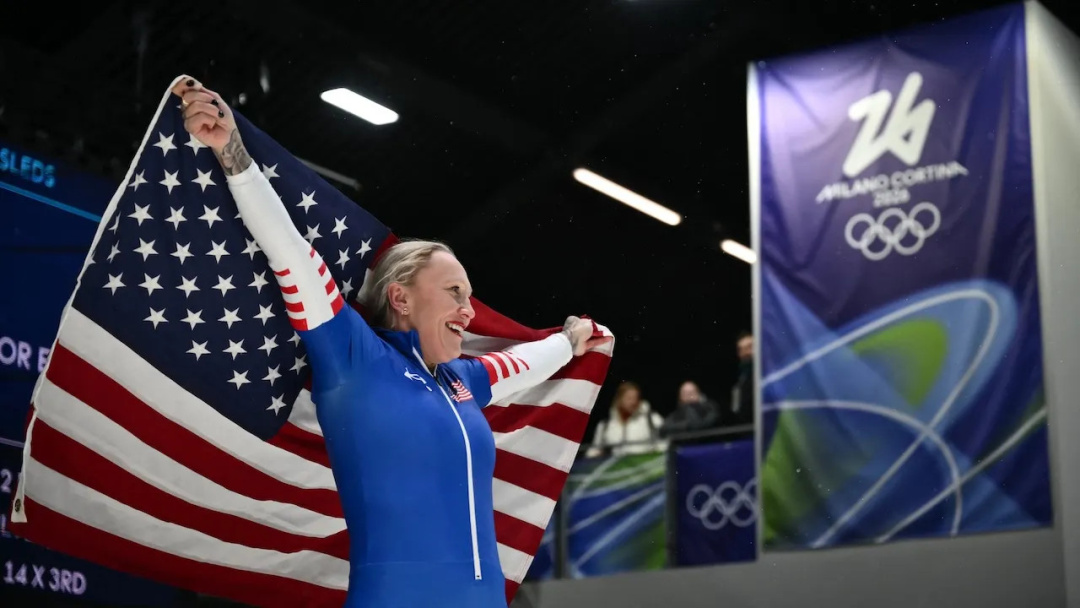
Olympic champion Kaillie Humphries has opened up about the challenges she's faced as a vocal advocate against transgender athletes competing in women's sports. She notes that her stance has led to "awkward, tense moments" with certain teammates on Team USA, straining some friendships within the Olympic community. As a three-time Olympic gold medalist and an ambassador for XX-XY Athletics, Humphries recently received the brand's "Courage Wins Award," which she intends to use to support her foundation aimed at helping female athletes with their careers and family-building needs.
Humphries, who resides in California and is currently pregnant with her second child, has expressed concerns about the state's policies allowing males to compete in girls' sports. This situation has prompted her to consider relocating if her second child is a girl, highlighting her commitment to ensuring that opportunities for female athletes remain intact. She believes that her advocacy is crucial for preserving the competitive landscape that has allowed her to thrive throughout her career.
Common Sense Shop
The United States of Common Sense
Amazon shopping links. Sponsor Complete!
In her discussions about the "Save Women's Sports" movement, Humphries acknowledges that her views have led to disagreements with some of her fellow athletes. "I have teammates within bobsled, I have teammates within Team USA who believe in a different side, for sure," she stated. Despite these differences, she emphasizes that respect remains a cornerstone of their interactions, noting, "It doesn't make you a bad person because you believe something different than somebody else."
Humphries is clear about her position: she wants to maintain the integrity of women's sports for biological females. She stated, "I've had these opportunities because it has remained for biological females. And that's something that I believe in and that I'm going to push." This is not just a personal belief but a mission that she feels compelled to advocate for, especially as she considers the future of her children.
New IOC Policies and Personal Advocacy
The International Olympic Committee has recently adopted a policy that restricts eligibility for the women’s category at IOC events, beginning with the 2028 Los Angeles Olympics. This policy includes one-time SRY gene screening with specific exceptions, but it does not extend to grassroots or recreational sports. Humphries is willing to engage in discussions about these policies with those who approach the conversation with respect and openness, although she does not aim to change anyone's mind.
In her personal life, Humphries has faced the challenges of balancing athletics with starting a family. Her own experiences with in vitro fertilization (IVF) and endometriosis have led her to create a foundation that provides financial support for female athletes. The foundation, TrailBlazeHer, aims to offer $5,000 grants for athletes pursuing Olympic careers and $10,000 grants for family-building expenses, tied to fundraising milestones. She hopes to alleviate the financial pressures that often accompany elite competition and family planning, stating, "It was excruciating having to make that choice."
The Common Sense Test
Humphries' advocacy and personal experiences highlight the complexities surrounding women's sports and the ongoing debate over inclusion and fairness. As she navigates her role as an athlete, advocate, and mother, her commitment to preserving the opportunities for future generations of female athletes remains steadfast.
Humphries' story is a testament to the ongoing struggle for clarity and fairness in women's sports. As debates continue to rage over policies affecting female athletes, her voice serves as a reminder of the importance of protecting the integrity of women's competitions. With her foundation's initiatives, she aims to ensure that female athletes can pursue their dreams without compromising their opportunities. The intersection of sports, politics, and personal beliefs will undoubtedly continue to shape the landscape of women's athletics in the years to come.