Iran Adopts New Tactics to Target Shipping Before Midterm Elections
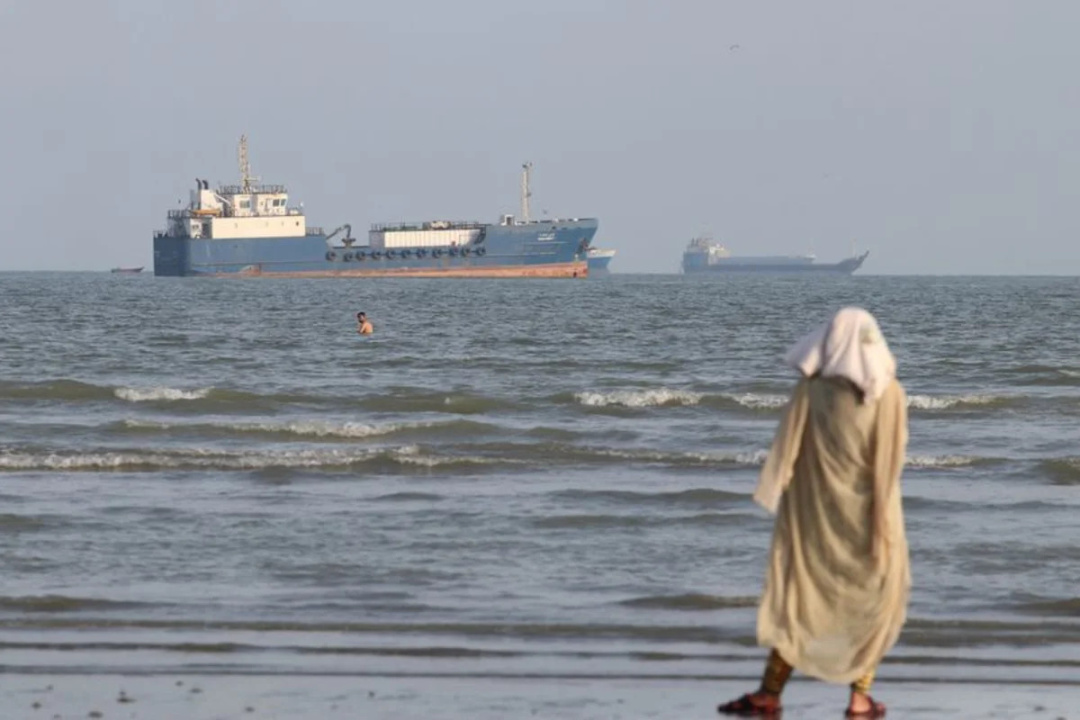
Iran is reportedly shifting its approach to targeting ships in the Strait of Hormuz, a vital waterway for global oil trade, as it seeks to maintain elevated oil prices and influence the U.S. midterm elections. According to two senior Iranian officials, the new tactics were implemented approximately ten days ago and have led to an increase in attacks on vessels deemed in violation of Iran's restrictions. This strategy is part of Tehran's broader goal to exert control over the Strait, particularly following U.S. and Israeli strikes against Iran earlier this year.
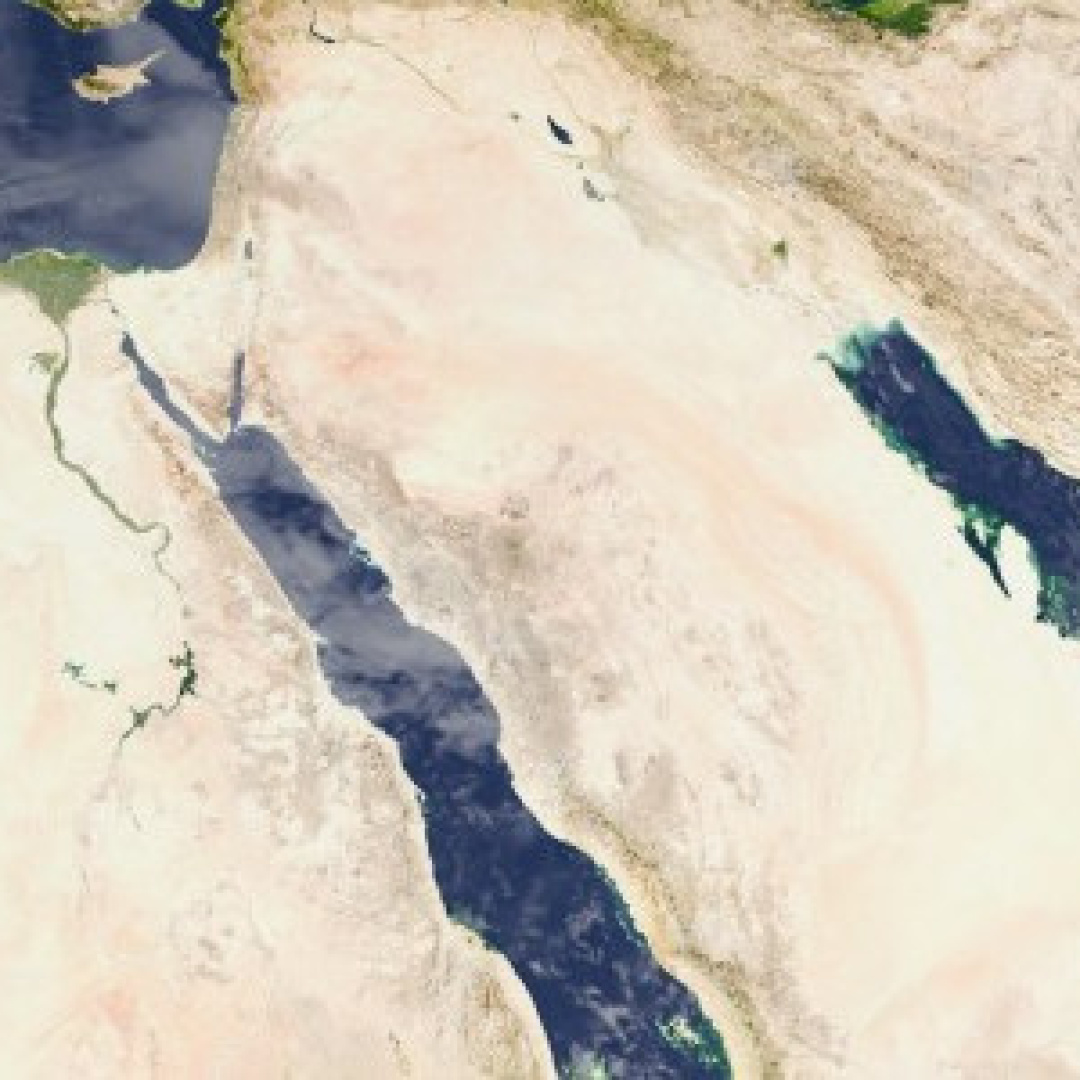
The Strait of Hormuz is crucial, carrying about one-fifth of the world's oil and liquefied natural gas trade. Iran's efforts to restrict passage through this strategic chokepoint are seen as a means to gain leverage over Washington. Although some oil continues to transit through the strait, the increased threats and attacks have significantly impacted shipping traffic and driven up oil prices.
Common Sense Shop
The United States of Common Sense
Amazon shopping links. Sponsor Complete!
One Iranian official stated that the decision to adopt these new tactics was made at the highest levels of the Iranian leadership and is fully coordinated across the country's ruling system. The official emphasized that the aim is to thwart U.S. efforts to lower global oil prices, which could have political ramifications during the upcoming elections.
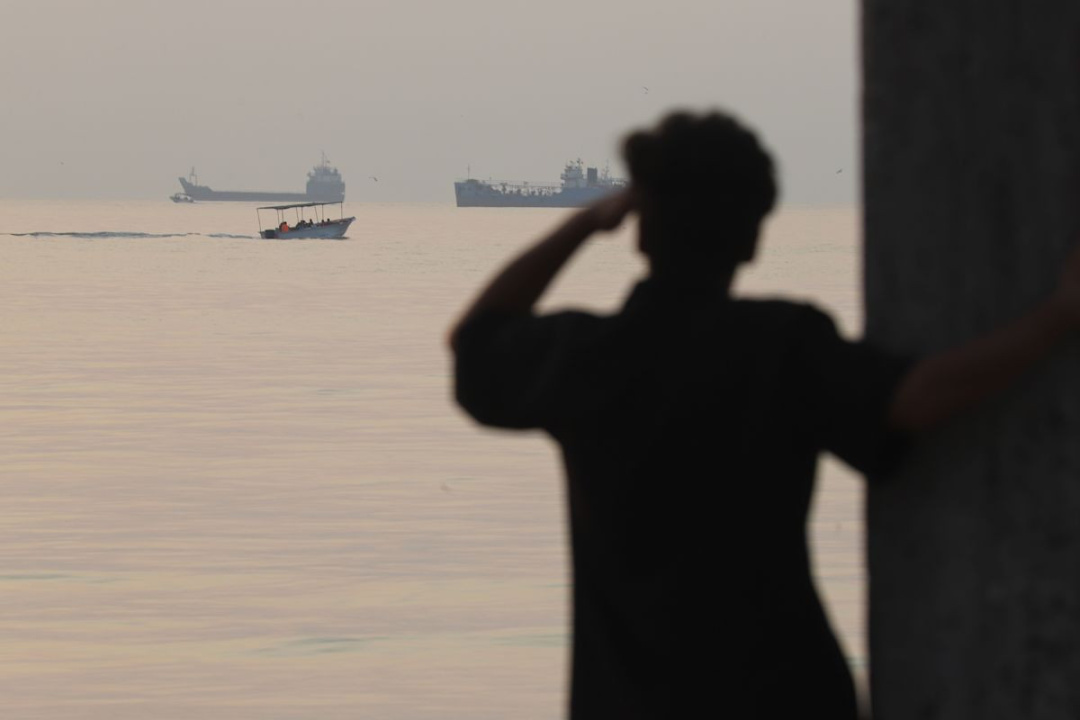
A U.S. military official confirmed that Iran has indeed altered its tactics. Following the destruction of much of its radar capabilities, the Islamic Revolutionary Guard Corps (IRGC) has begun using unarmed spotters in small boats to identify potential targets, including U.S. naval vessels. In a recent incident, U.S. forces confronted an Iranian spotter vessel and destroyed it without casualties, highlighting the ongoing tensions in the region.
Iran's Escalating Maritime Strategy
As Iran faces challenges in preventing a rise in oil exports through the strait, particularly after U.S. military actions have weakened its naval capabilities, the situation remains precarious. The ongoing conflict has become a significant issue on the U.S. campaign trail, influencing discussions around national security and economic policy as the midterm elections approach.
In recent days, attacks on commercial ships in the Strait of Hormuz have surged, reaching their highest levels since the conflict began. Reports indicate at least five incidents involving tankers and other commercial vessels, including drone strikes. This uptick in attacks suggests a deliberate escalation in Iran's maritime strategy, as it expands its operations beyond the strait to the Gulf of Oman and other areas.
The Common Sense Test
Iranian officials have indicated that they will not allow U.S. President Donald Trump to lower oil prices before the elections, viewing the situation as a strategic game. They assert that vessels violating their restrictions will face increasing risks, potentially leading to a complete closure of the strait for such ships. The U.S. Navy has classified the threat to merchant shipping in the region as severe, underscoring the ongoing volatility in global energy markets.
As the situation develops, the implications for global energy markets and U.S. foreign policy remain significant. The Pentagon and Iranian officials have yet to respond to requests for comments on these developments, leaving many questions unanswered regarding the future of shipping in this critical region. The ongoing tensions and military maneuvers indicate that the Strait of Hormuz will continue to be a flashpoint in U.S.-Iran relations, with potential consequences for oil prices and international trade.