Pentagon to Livestream Fort Hood Shooter's Execution by Firing Squad
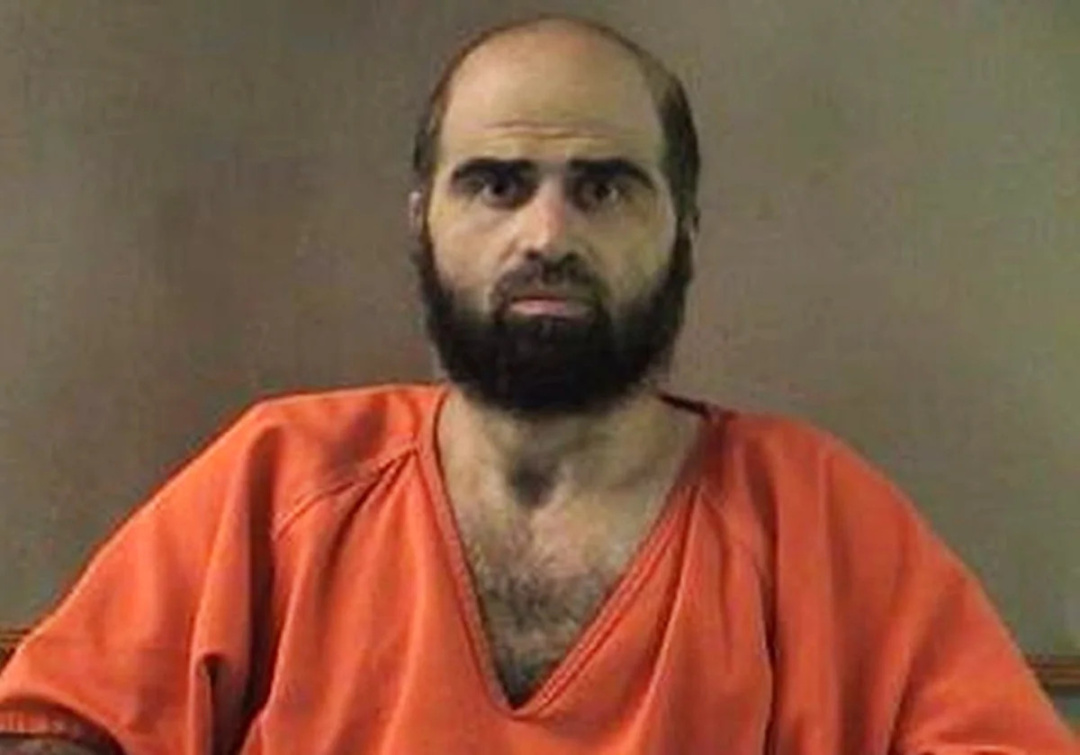
The Pentagon has confirmed that the execution of Nidal Malik Hasan, the Fort Hood shooter responsible for the deaths of 13 people in a 2009 attack, will be livestreamed. This announcement, made by Defense Secretary Pete Hegseth, marks a significant moment in military history as it will be the first execution by firing squad in over 65 years, scheduled to take place at Fort Hood on December 3. Hegseth, in an interview with Real America's Voice, stated, "We'll make sure that people are able to watch it, that it's public," highlighting the administration's intent to make this execution transparent to the public.
The decision to livestream the execution has sparked a debate about the nature of capital punishment in the United States, especially in light of recent controversies surrounding lethal injections. Experts have noted that livestreaming could bring a level of transparency to the execution process, which has often been criticized for its lack of public oversight. Deborah Denno, a law professor and death penalty expert, argued that this could be beneficial, particularly following the botched execution of Christa Pike in Tennessee, which has raised concerns about how executions are conducted.
Common Sense Shop
The United States of Common Sense
Amazon shopping links. Sponsor Complete!
As Hasan prepares for his execution, he has the option to file a habeas petition, potentially delaying the process. Legal experts suggest that this could prolong the execution beyond the current administration, raising questions about whether future leadership will maintain the same stance on capital punishment. Eugene R. Fidell, a visiting lecturer at Yale Law School, expressed that the legal complexities surrounding Hasan's case could lead to significant delays.
The choice of a firing squad as a method of execution has also been a topic of discussion. Brenner Fissell, a professor at Villanova Law, noted that firing squads may be viewed as a more humane alternative to lethal injections, which have faced significant challenges in recent years. He pointed out that the military's decision to use this method could be influenced by a perceived cultural masculinity associated with firing squads, as emphasized by Hegseth.
Ethical Concerns Over Public Execution Livestream
However, the livestreaming of an execution raises ethical and legal questions. Elisabeth Semel, co-director of the Death Penalty Clinic at UC Berkeley Law, highlighted concerns regarding the dignity of the defendant and the motivations behind the government's decision to make the execution public. She remarked that while the idea of televising executions has been discussed for years, this marks a unique instance where the government is actively promoting such a spectacle.
The Common Sense Test
As the execution date approaches, questions remain about Hasan's legal representation and health. His former attorney, John Galligan, expressed concerns about Hasan's access to legal counsel and the protocols followed by the military in notifying him of the execution order. The Pentagon has stated that they made reasonable efforts to contact Hasan's legal team, but the situation raises further questions about due process within military justice.
The last military execution occurred in 1961, and the decision to proceed with Hasan's execution by firing squad has reignited discussions about the death penalty in America. With the public's eye focused on the upcoming execution, the implications of this decision will likely resonate beyond the military, prompting a reevaluation of capital punishment practices nationwide.