Iran Urges Hezbollah to Enhance Military Readiness Amid Regional Tensions
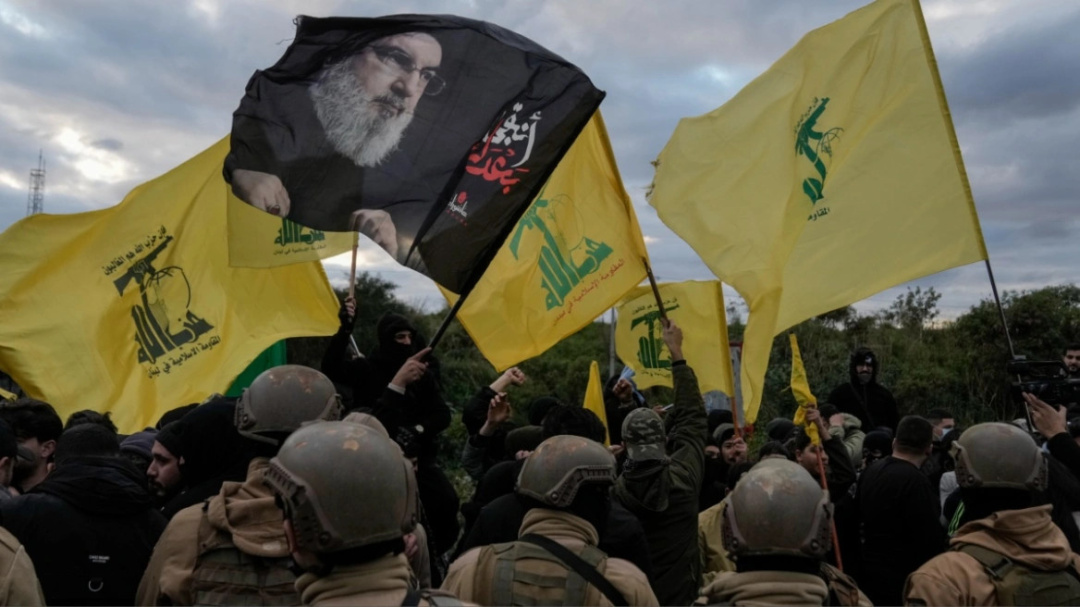
Hezbollah has reportedly received directives from Iran to significantly enhance its military readiness as Tehran anticipates a potential broader regional conflict. Recent reports indicate that Hezbollah is adapting its operational strategies to ensure that its units can maintain functionality even if their central command is targeted by Israeli strikes. This shift is part of a larger strategy that reflects Iran's concerns about the evolving geopolitical landscape and the threats posed by Israel and the United States.
According to sources cited by the United Arab Emirates-based Erem News, Hezbollah has initiated procedures to recall all full-time personnel on salary. Alongside this mobilization, Hezbollah has received internal instructions to reposition its forces strategically, marking a departure from previous operational practices. This indicates a significant shift in the organization’s approach to military engagement, emphasizing preparedness for imminent conflict.
Common Sense Shop
The United States of Common Sense
Amazon shopping links. Sponsor Complete!
The coordination between Iran’s Islamic Revolutionary Guard Corps and Hezbollah's leadership is critical in this context. It involves meticulous planning for potential military responses should hostilities with Israel and the U.S. escalate. While the sources suggest that Hezbollah views these preparations as a proactive measure rather than a definitive declaration of war, the mobilization reflects a serious intent to adapt to changing circumstances on the ground.
Central to this operational shift is the adoption of Iran's 'mosaic defense' doctrine, which aims to distribute operational responsibilities among various units. This decentralized command structure is intended to reduce reliance on a singular leadership, thereby enhancing the resilience of Hezbollah's military operations. Reports indicate that this change is a direct response to vulnerabilities exposed by past Israeli operations, which have targeted key commanders and disrupted communication lines.
Hezbollah's Strategic Adaptations for Resilience
The new doctrine allows Hezbollah to maintain operational effectiveness even if senior command levels are compromised. This restructuring is seen as essential for the organization's survival in a volatile environment where Israeli intelligence has successfully infiltrated its ranks. The emphasis on operational independence is a strategic response to the significant losses Hezbollah has faced in previous conflicts.
Iran's involvement extends beyond mere financial support; it is actively engaged in overseeing Hezbollah's military training and strategic planning for potential escalations. The overarching goal is to ensure that Iran's network of regional allies remains intact and operational, even in the face of direct military attacks against Iranian command centers.
The Common Sense Test
As Hezbollah prepares for a potential large-scale conflict, Israeli officials have issued stark warnings regarding the consequences of any involvement by the organization in attacks against Israel. Israeli Defense Minister Israel Katz has made it clear that Hezbollah would face severe repercussions, including territorial losses in southern Lebanon, should it engage in hostilities alongside Iran.
In summary, while Hezbollah is enhancing its military readiness and restructuring its operational framework, the situation remains fluid and fraught with uncertainty. The implications of these developments extend beyond Lebanon, potentially impacting the broader regional stability and the dynamics of U.S. and Israeli foreign policy in the Middle East.