R. Albert Mohler on Blasphemy Laws and Religious Liberty
R. Albert Mohler, Jr. recently found himself at the center of a heated debate regarding religious liberty, blasphemy laws, and the role of the church in governance. This discussion arose from his involvement in a book project titled "Five Views on Christian Nationalism," which examines the complex relationship between faith and politics in a hypothetical future where the U.S. Constitution no longer operates. In this scenario, evangelical Protestants make up a significant majority of the population, prompting questions about the nature of governance and the acknowledgment of religious principles in law.
Mohler's primary concern is the need for a constitutional acknowledgment that human rights and dignity are grounded in a moral framework that transcends mere majority opinion. He references the work of Ernst-Wolfgang Böckenforde, who argued that modern secular states make claims about human dignity that their own secular foundations cannot substantiate. This concern is particularly relevant in light of the historical debates within the European Union regarding the acknowledgment of Christianity's influence on European values, which faced significant opposition from secular leaders.
Common Sense Shop
The United States of Common Sense
Amazon shopping links. Sponsor Complete!
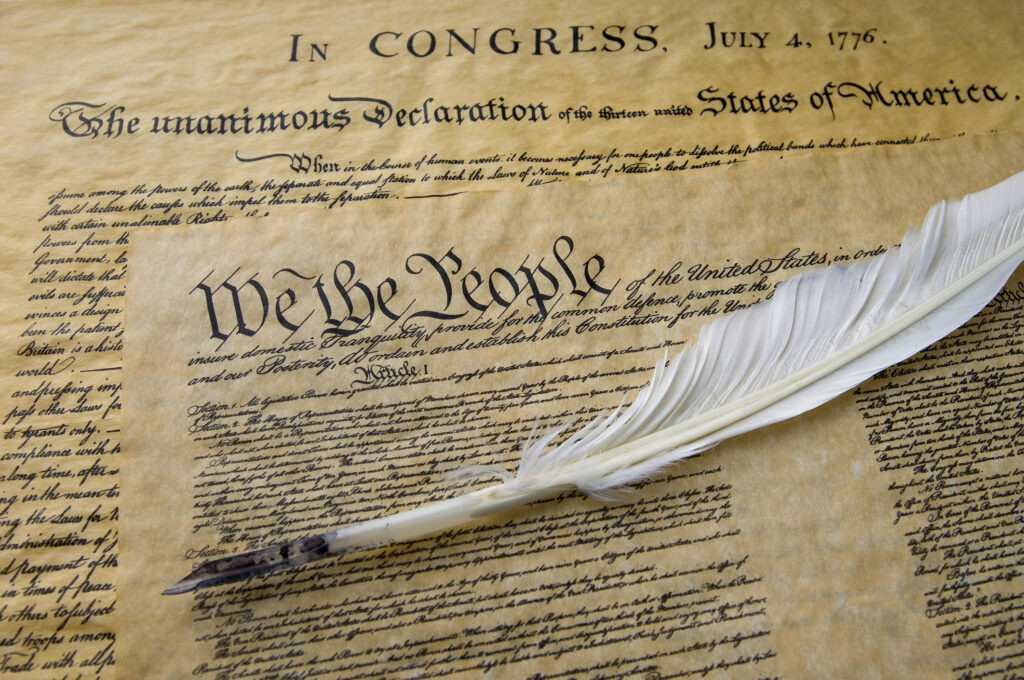
The Declaration of Independence famously asserts that individuals are "endowed by their Creator with certain unalienable rights," a sentiment that Mohler believes should be echoed in contemporary discussions about the Constitution. He argues that while such an acknowledgment would not solve all issues related to judicial activism, it would provide a more solid foundation for claims about human rights.
In the context of the book project, Mohler was also prompted to consider the implications of blasphemy laws. He admits that he mishandled the topic, suggesting that the government should not be involved in doctrinal matters, as these should remain within the church's purview. His reflections highlight the historical struggles Baptists have faced regarding religious freedom and the separation of church and state.
Mohler's Commitment to Religious Liberty
Despite the complexities surrounding blasphemy laws, Mohler maintains that he has always supported the principle of religious liberty for all citizens. He acknowledges the risks posed by such laws, particularly in a landscape where aggressive secularism threatens the rights of gospel Christians. Mohler's commitment to the Baptist Faith & Message reinforces his belief that the state should not impose penalties based on religious opinions.
The Common Sense Test
The ongoing dialogue about blasphemy laws and religious liberty is crucial, especially as society grapples with the balance between free expression and respect for religious beliefs. Mohler's willingness to engage with tough questions reflects the importance of these discussions in shaping a society that honors both constitutional principles and individual freedoms.
Ultimately, Mohler's reflections serve as a reminder of the delicate interplay between faith and governance in America. His arguments for acknowledgment within the constitutional framework invite further exploration of how society can navigate the challenges posed by secularism while upholding the rights of all citizens to practice their faith freely. As these discussions continue, the question remains: how can we ensure that our laws reflect a commitment to both liberty and respect for religious traditions?