3rd Circuit Rules on Gun Rights for Nonviolent Offender Edward Williams
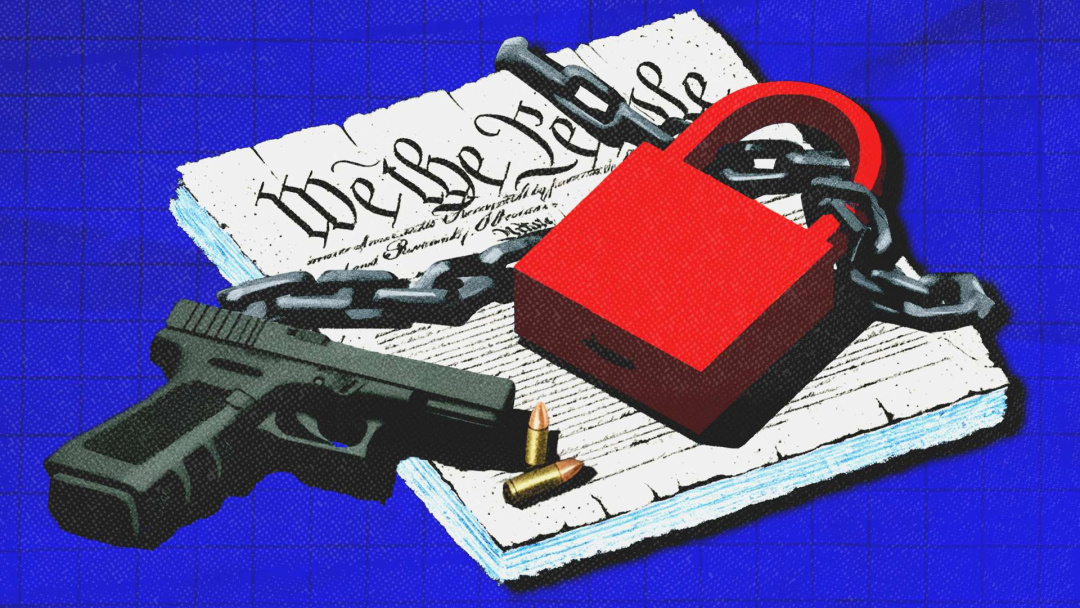
Edward Williams, a Pennsylvania man, lost his constitutional right to keep and bear arms due to a DUI conviction in 2005. However, he only became aware of this loss a decade later, highlighting the complexities surrounding firearm regulations. The federal law that stripped Williams of his Second Amendment rights is often associated with felons, but his offense was classified as a misdemeanor. Although his crime could have led to a five-year prison sentence, he did not serve any time, which raises questions about the fairness of applying such a severe restriction to a nonviolent offender.
This week, the U.S. Court of Appeals for the 3rd Circuit ruled in favor of Williams, affirming a previous decision that disarming him was unconstitutional. The court recognized a historical tradition of restricting firearm access to individuals deemed physically dangerous, but concluded that Williams did not fit this category. Brandon Combs, president of the Firearms Policy Coalition, which supported Williams' case, remarked, "The federal government spent nearly a decade trying to permanently disarm a peaceable man over a nonviolent misdemeanor—and it lost bigly."
Common Sense Shop
The United States of Common Sense
Amazon shopping links. Sponsor Complete!
The court's ruling in Williams v. Attorney General builds on the precedent set in Range v. Attorney General, where the 3rd Circuit similarly restored gun rights to a man convicted of food stamp fraud. Both cases illustrate the court's stance that applying Section 922(g)(1) to individuals like Williams is inconsistent with the historical context of firearm regulation established by the Supreme Court. Judge Paul Matey, writing for the majority, noted that restrictions on firearm possession have traditionally targeted those who pose a physical danger, rather than all felons indiscriminately.
Matey pointed out that the Supreme Court has previously affirmed the legality of disarming individuals who pose a threat to public safety, but emphasized that this does not extend to those with nonviolent convictions. He argued that the historical basis for firearm regulations does not support the permanent disarmament of individuals based solely on their past misdemeanors. This ruling reflects a growing recognition that not all convictions warrant a lifetime ban on Second Amendment rights.
Government's Burden of Proof in Gun Rights
The Justice Department had argued that Williams should remain disarmed under the Bruen test, which requires historical analogs that are relevant in motivation and scope. However, the court found that the government failed to provide evidence that Williams poses a current physical danger. In fact, Williams has maintained a clean record for over twenty years, holding steady employment and demonstrating responsible behavior.
The Common Sense Test
The 3rd Circuit's decision is significant as it aligns with a broader trend among federal appeals courts that have allowed individuals with nonviolent felony records to challenge the constitutionality of Section 922(g)(1). Yet, this ruling also highlights the ongoing divide among circuit courts regarding the application of gun rights to nonviolent offenders. The Supreme Court has yet to resolve this split, leaving many questions about the future of gun rights for individuals with past convictions.
As the dialogue around gun rights continues, this ruling serves as a reminder of the importance of distinguishing between violent and nonviolent offenses in discussions about constitutional rights. The implications of this decision could influence future cases and legislative actions regarding the Second Amendment and its interpretation in the context of criminal records.