U.S. Inflation Hits 3.7% in September Amid Rising Fuel Prices

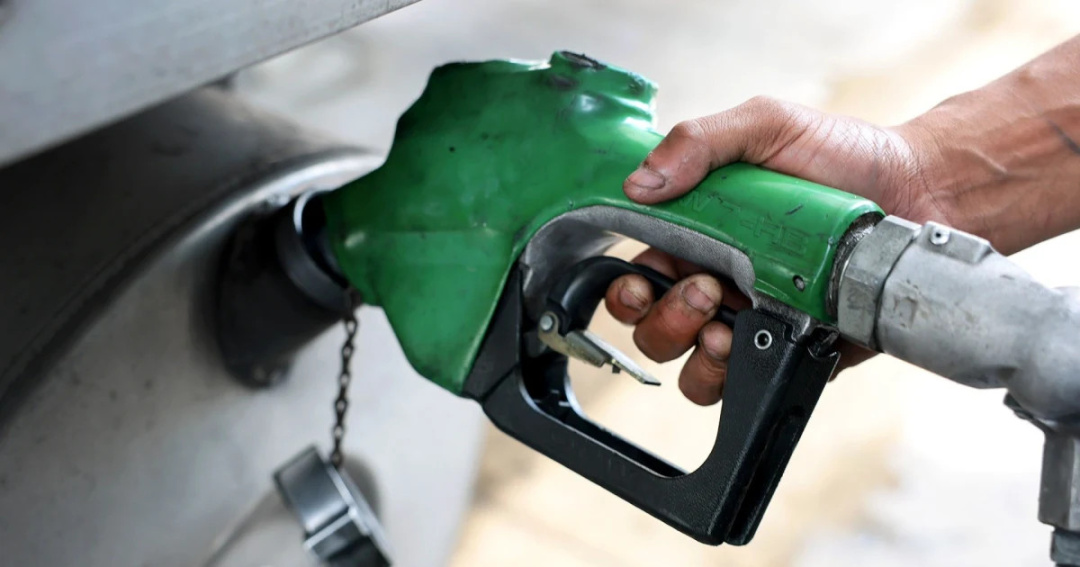
The U.S. annual inflation rate climbed to 3.7% in September, driven primarily by rising gasoline prices, which accounted for over half of the monthly inflation increase. This figure not only exceeded analysts' forecasts but also marked an increase from 3.4% in August. The Bureau of Labor Statistics reported that the consumer price index rose by 0.6% on a seasonally adjusted basis from August, when prices had increased by 0.4%. This monthly rise matched the average estimate from a broad survey of forecasters, while the annual rate surpassed the anticipated 3.6%.
Core inflation, which excludes food and energy costs, also showed an upward trend, rising by 0.3% for the month, consistent with August's pace but higher than the 0.2% forecast. The annual core inflation rate increased to 2.6%, up from 2.4%, exceeding expectations of 2.5%. The surge in gasoline prices, which jumped 9.1%, was a significant factor in the overall monthly increase, while the broader energy index rose by 5.2%, accelerating from a 2.1% increase in August.
Common Sense Shop
The United States of Common Sense
Amazon shopping links. Sponsor Complete!
Shelter costs also contributed to the inflationary pressures, rising by 0.4% compared to 0.3% in the previous month. Food prices remained stable overall, with grocery prices slightly declining by 0.1% while the cost of dining out increased by 0.2%. Other categories that recorded increases included used vehicles, airfares, medical care, and clothing, while communication prices saw a rare decline.
The latest inflation figures come on the heels of the Federal Reserve's decision in September to raise its benchmark interest rate by a quarter percentage point, bringing it to a range of 3.75% to 4%. The Fed has indicated that inflation remains elevated and that the recent rate hike is intended to support a return to its 2% inflation target.
Impacts of Inflation on Consumers and Policy
As the U.S. grapples with these inflationary pressures, the implications for consumers and the economy at large are significant. The rising costs of essential goods and services could lead to increased scrutiny of government policies and the Federal Reserve's strategies moving forward. The ongoing economic situation underscores the delicate balance that policymakers must maintain to foster growth while controlling inflation.
The Common Sense Test
As inflation continues to rise, the Federal Reserve faces mounting pressure to respond effectively. The central bank's recent interest rate hike reflects its commitment to curbing inflation, but the effectiveness of these measures remains to be seen. With inflationary trends persisting, the Fed's actions will be closely monitored by both policymakers and the public, as the potential for economic instability looms. The challenge lies in navigating the complexities of inflation without stifling economic growth, a balancing act that will require careful consideration and strategic planning.
Ultimately, the rising inflation figures present a critical test for the current administration and the Federal Reserve. As consumers feel the pinch of increased prices, the pressure will be on government officials to address these economic challenges head-on. The question remains: will policymakers prioritize the needs of the American people and implement effective strategies to combat inflation, or will they continue to pursue policies that exacerbate the situation? The path forward will require not only sound economic policies but also a commitment to transparency and accountability in government actions.