Federal Judge Upholds White House Access for CNN, MS NOW, and Politico
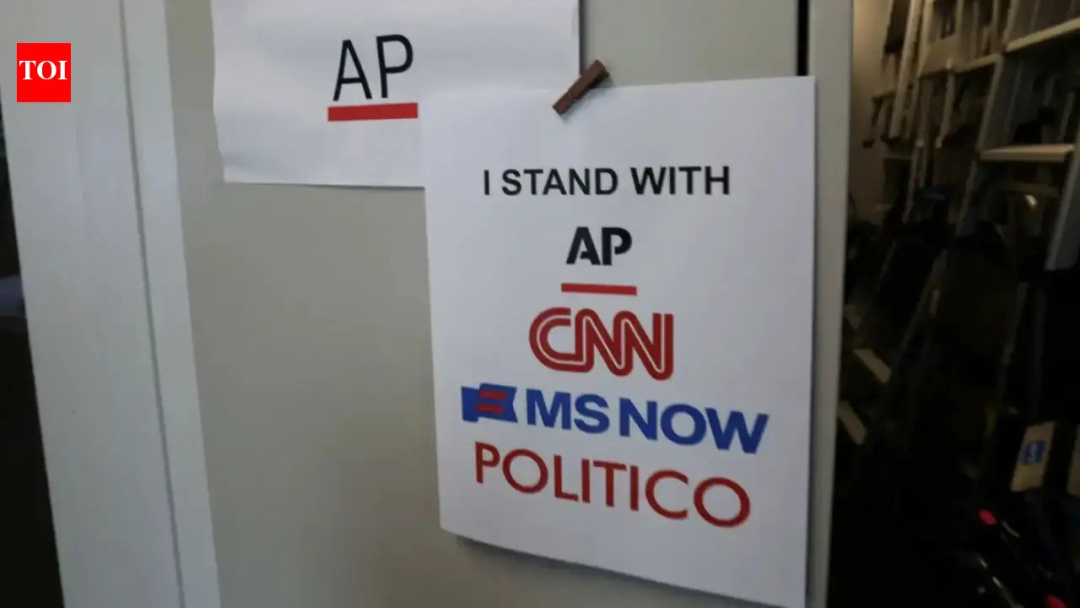
A U.S. federal judge has ruled that CNN, MS NOW, and Politico can continue accessing the White House while their lawsuit against the Trump administration proceeds. The ruling, issued by U.S. District Judge Tim Kelly, indicates that the restrictions placed on these media outlets likely violate the First Amendment. Judge Kelly noted that President Trump's public comments suggested the ban was a retaliatory measure against reporting he deemed unfavorable or biased.
In his order, Judge Kelly stated, "President Trump likely banned Plaintiffs from the White House because he believes that their reporting is generally inaccurate and biased against him." This ruling extends a previous decision that blocked the ban, which was set to expire, and it opens the door for a potential appeal by the administration. Notably, Judge Kelly, appointed by Trump, dismissed the Justice Department's argument that national security concerns justified the restrictions.
Common Sense Shop
The United States of Common Sense
Amazon shopping links. Sponsor Complete!
The judge found no evidence that the ban was initially imposed on national security grounds, criticizing the administration for failing to specify any classified information allegedly disclosed in the reports cited to justify the ban. Trump had announced the ban on September 18, defending it by labeling the outlets' coverage as negative and one-sided. The Justice Department later attempted to justify the ban by referencing reports related to the Iran war and the Republican midterm convention.
While acknowledging the government's duty to protect classified information, Judge Kelly expressed skepticism over the national security rationale presented by the administration, stating that there was little evidence to support this claim. He emphasized that the administration had not provided adequate material to substantiate its arguments, even under seal for the court's review.
Judge's Ruling on Press Access Procedures
Previously, Judge Kelly had ordered the reactivation of the press passes for these outlets on due process grounds, indicating that they had not received fair notice of the rules prior to the revocation of their access. The judge pointed out that the letters explaining the ban, sent after the lawsuit was filed, did not sufficiently address these procedural shortcomings.
The Common Sense Test
Ted Boutrous, the attorney representing the media organizations, welcomed the ruling, noting that it underscored Trump's acknowledgment that the ban was intended to punish reporting he disliked. The media outlets contended that the restrictions not only hindered their ability to report on the president but also had a chilling effect on other news organizations. During a recent hearing, Judge Kelly questioned the administration's inconsistent explanations for the ban, highlighting discrepancies between the president's public statements and the legal arguments presented by government lawyers.
Justice Department attorney Michael Velchik argued that the president had the discretion to remove reporters from the White House, pointing out that Trump had criticized CNN for years. However, Boutrous countered that the ban was personally issued by Trump, who had repeatedly stated his reasons for doing so. This ruling not only impacts the three media organizations involved but also raises broader questions about press freedom and the government's role in regulating access to information. As the case progresses, it will be crucial to observe how the administration responds and whether it will appeal the decision, potentially setting a significant precedent for media access and First Amendment rights in the future.