FBI Arrest Sparks Concerns Over Espionage in Silicon Valley Tech Sector
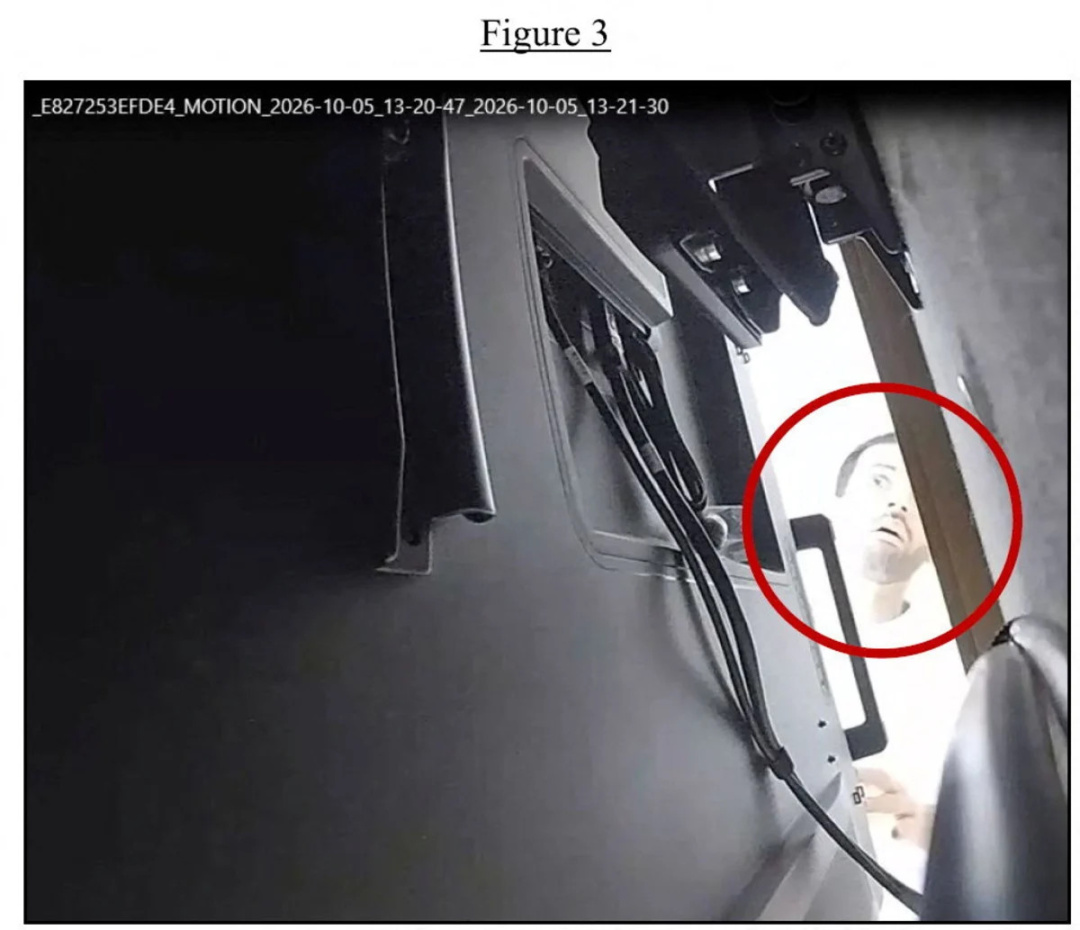
Abdulrahman Alfozan, a Saudi national and former employee of OpenAI, was arrested on Tuesday for allegedly placing a recording device in the company's headquarters. This incident has sparked a renewed discussion regarding the potential risks associated with the hiring practices of Silicon Valley tech firms, particularly those employing foreign nationals from countries that may seek to undermine U.S. technological supremacy.
Alfozan, who had a promising career trajectory, graduated from the Massachusetts Institute of Technology and held engineering positions at major tech companies like Meta before joining OpenAI. He had been in the U.S. for over a decade, securing a green card and actively participating in the tech ecosystem. His arrest has raised alarms about the security implications of hiring foreign talent, especially amid escalating global competition in artificial intelligence.
Common Sense Shop
The United States of Common Sense
Amazon shopping links. Sponsor Complete!
The debate surrounding foreign nationals in the tech sector is not new. Historically, immigrants have played a crucial role in driving innovation and growth in the American tech industry. However, the increasing geopolitical tensions, particularly with China, have led to heightened scrutiny of foreign workers. Critics argue that tech companies' openness to hiring individuals from nations with competing interests could expose them to espionage and intellectual property theft.
Katrina Mulligan, a senior member of OpenAI's national security team, previously advocated for an expedited citizenship pathway for foreign tech workers, labeling them as a "national strategic asset." However, this perspective is met with skepticism from some industry leaders and lawmakers who argue that prioritizing U.S. citizens in hiring practices is essential for national security. Palmer Luckey, CEO of Anduril, and venture capitalist Shaun Maguire have voiced concerns on social media about the risks posed by foreign hires, suggesting that Silicon Valley has been overly naive in its approach to foreign tradecraft.
The implications of Alfozan's arrest extend beyond individual culpability. It highlights a significant tension within the tech industry: the necessity of attracting global talent while safeguarding sensitive innovations. Chris McGuire, a senior fellow at the Council on Foreign Relations, emphasized that the rapid advancement of AI technology makes it a target for foreign governments, which may resort to espionage to gain insights into U.S. capabilities.
Escalating Threats to Tech Security
While arrests related to espionage are relatively rare, the potential risks remain substantial. U.S. intelligence agencies have long warned that tech firms are prime targets for foreign espionage, particularly from China, which has made it a national goal to surpass the U.S. in AI development. The recent case serves as a reminder of the vulnerabilities that exist within the tech workforce and the need for robust security measures.
In response to these concerns, lawmakers have proposed legislation aimed at enhancing oversight of AI companies, particularly those that contract with the Pentagon. Senators Jim Banks and Kirsten Gillibrand have introduced a bill requiring AI firms to disclose their vetting processes for personnel and report any incidents of suspected espionage. Gillibrand stated that this incident underscores the necessity for a commonsense notification framework to alert the Pentagon to security threats.
The Common Sense Test
As the tech industry grapples with the implications of Alfozan's arrest, discussions about hiring practices and security protocols are intensifying. Many companies are reevaluating their security measures in light of the increasing risks associated with insider threats. Ryan Schonfeld, co-founder of HiveWatch, noted that what was once considered advanced security is now standard practice in the industry.
The arrest of Alfozan raises critical questions about the balance between innovation and security in Silicon Valley. As the competition for AI talent heats up, it is essential for tech companies to prioritize national security without stifling the very innovation that has made the U.S. a leader in technology. The ongoing debate about foreign nationals in the tech workforce will likely continue, as the stakes for both national security and technological advancement remain high.