Albania's Education Ministry Set Ablaze Amid Student Protests
In a dramatic escalation of political unrest, the Ministry of Education building in Tirana, Albania, was set ablaze as student-led protests entered their third consecutive day. The protests, which began earlier this week, were reportedly inspired by similar demonstrations in France and initially focused on rising education costs, deteriorating school facilities, and rampant corruption within the government.
However, the protests quickly evolved into a broader political movement, with demonstrators now calling for the resignation of both Prime Minister Edi Rama and opposition leader Sali Berisha. These two figures have dominated Albania's political landscape for nearly four decades and have faced numerous allegations of corruption throughout their careers.
Common Sense Shop
The United States of Common Sense
Amazon shopping links. Sponsor Complete!
The unrest is compounded by months of anti-government protests linked to a controversial luxury tourism development project associated with Jared Kushner, son-in-law of former U.S. President Donald Trump. Dubbed the 'Flamingo Revolution,' this movement has been dismissed by Rama as a “hybrid war” waged by “enemies of Israel and Albania.”
On Wednesday, protesters breached the premises of the Education Ministry, setting the building on fire and causing significant damage. Eyewitness footage captured the chaos as thick black smoke billowed from the windows, while demonstrators were seen destroying surveillance cameras throughout Tirana, alleging that the technology was operated by companies utilizing Israeli spyware.
Escalation of Violence in Protests
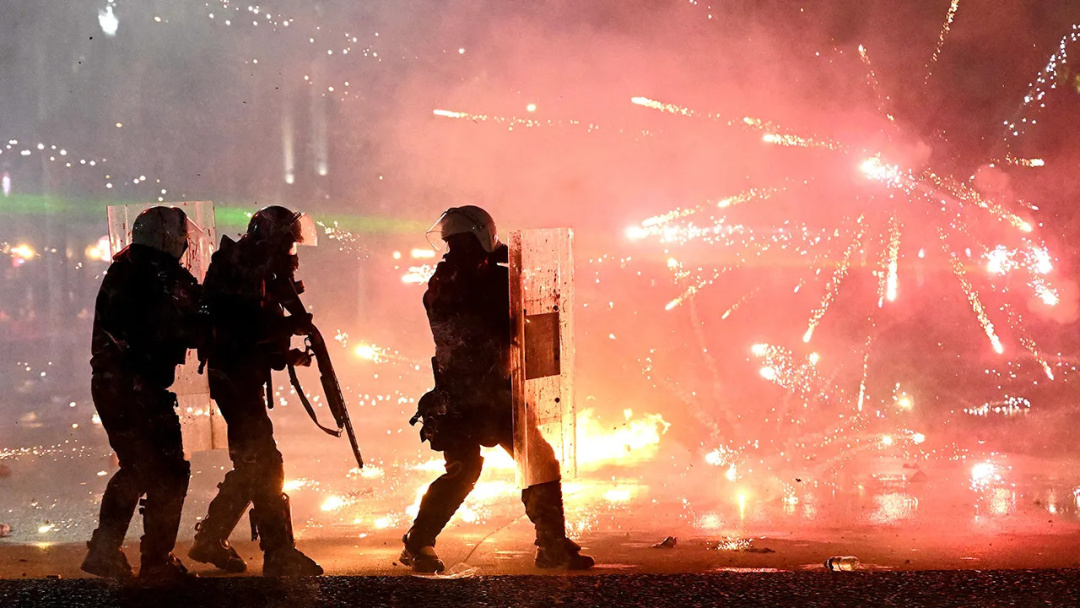
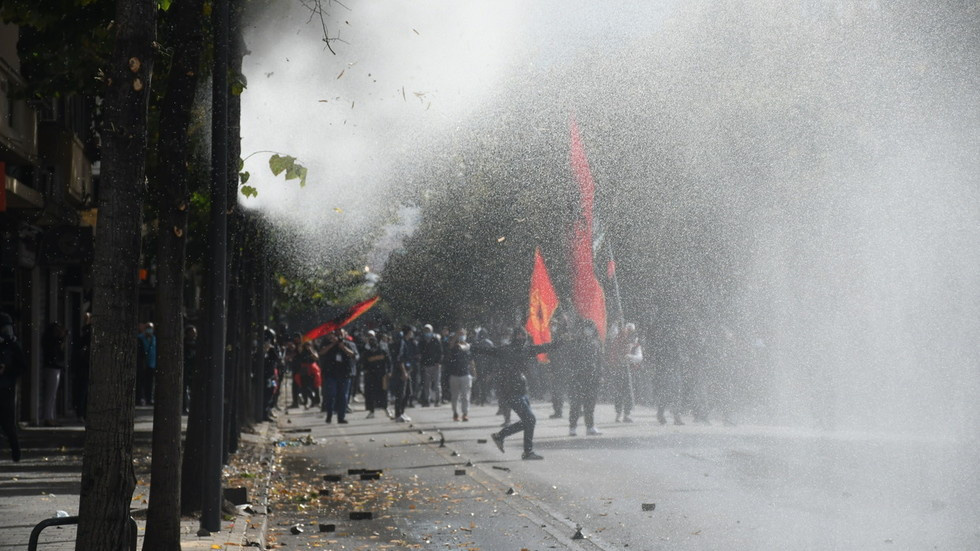
The protests have turned increasingly violent, with riot police clashing with demonstrators, employing batons, tear gas, and water cannons in an attempt to restore order. Reports indicate that military trucks have been deployed to the capital, signaling a potential escalation in the government's response to the unrest.
The violence reached a peak on Wednesday, with groups of protesters attacking government buildings, banks, and businesses, resulting in injuries to at least 89 individuals, including 61 police officers, according to the Albanian Health Ministry.
The Common Sense Test
Despite the mounting pressure, Prime Minister Rama has refused to resign, asserting that his departure will only occur through democratic means, pointing out that national elections were held just last year. While he expressed a willingness to discuss educational issues, he condemned the violence and reiterated his commitment to steering Albania towards a “European future.”
The ongoing protests raise critical questions about the future of governance in Albania and the accountability of its leaders. As the situation continues to unfold, the demands for transparency and reform echo the frustrations of a populace weary of corruption and mismanagement.