Trump's Crypto Agenda Faces Setback as Key Negotiator Exits
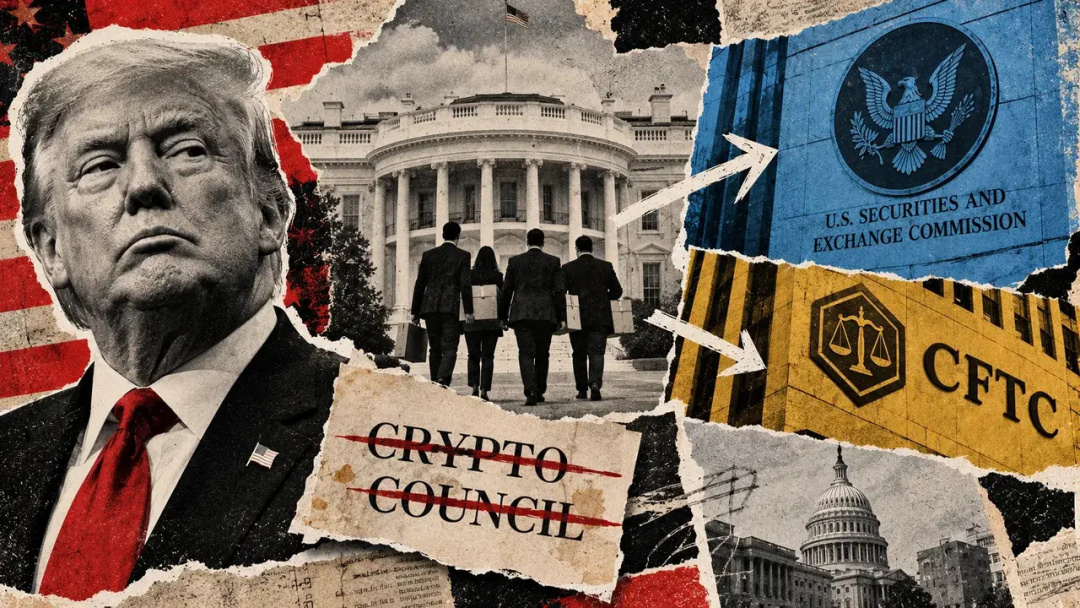
President Donald Trump's cryptocurrency agenda has encountered a significant setback following the departure of Patrick Witt, who confirmed his exit from the White House on October 15. Witt, the executive director of the White House Crypto Council, has left his government role after nearly two years to pursue an undisclosed position in the private sector. In his farewell statement, Witt expressed gratitude for the opportunity to serve under Trump and highlighted his contributions to advancing the administration's cryptocurrency initiatives.
Among his accomplishments, Witt noted the passage of the GENIUS Act, which established federal regulations for payment stablecoins, and ongoing efforts to promote the CLARITY Act, aimed at creating a comprehensive regulatory framework for digital assets. However, his departure follows a series of exits from the council, including former director Bo Hines in August 2025, and raises concerns about the future of the administration's crypto legislation.
Common Sense Shop
The United States of Common Sense
Amazon shopping links. Sponsor Complete!
Witt's exit leaves a void in negotiations surrounding the CLARITY Act, which has faced significant hurdles in the Senate. The House approved its version of the bill in 2025, but attempts to advance it have stalled due to disagreements over stablecoin rewards, banking competition, and potential conflicts of interest related to Trump's own cryptocurrency ventures. These issues contributed to the failure of a key Senate procedural vote in September, casting doubt on the bill's prospects ahead of the upcoming midterm elections.
The banking sector has advocated for restrictions on rewards linked to stablecoin holdings, arguing that such incentives could siphon deposits from traditional financial institutions. In contrast, cryptocurrency firms have warned that these restrictions could stifle competition within the market. Additionally, Democrats have called for stronger safeguards regarding Trump's financial interests in cryptocurrency, questioning the enforcement of these measures if the Justice Department, rather than state authorities, were to pursue actions against the president.
Witt's Crucial Role in Legislative Negotiations
Witt's role as a central figure in negotiations among lawmakers, regulators, and industry representatives cannot be understated. Just days before his departure, he cautioned that losing the chance to advance the legislation could delay comprehensive cryptocurrency regulations for years. His efforts were acknowledged by industry leaders, including Coinbase CEO Brian Armstrong, who praised Witt's determination and problem-solving skills in navigating the complex landscape of cryptocurrency legislation.
The Common Sense Test
As Witt exits, the SEC and CFTC are stepping up their efforts to implement parts of Trump's crypto agenda through their regulatory frameworks. Under the leadership of Chairman Paul Atkins, the SEC has initiated rules governing cryptocurrency issuance and custody, while the CFTC has opened consultations on rules for leveraged retail cryptocurrency transactions. These developments indicate that as White House coordination weakens, these agencies may assume a more significant role in shaping U.S. crypto policy.
Despite these regulatory actions, Witt himself acknowledged in his farewell that such measures cannot fully substitute for the certainty that congressional legislation provides. Atkins has previously noted the importance of legislative action in establishing durable cryptocurrency regulations that would be less susceptible to reversal by future administrations. The ongoing uncertainty surrounding Trump's crypto agenda, compounded by Witt's departure, leaves many questions unanswered about the future of digital asset regulation in the United States.