Ohio Court Rules Against EdChoice Scholarship Program for Families

In a significant setback for school choice advocates, the Ohio 10th District Court of Appeals has unanimously ruled that the state's Educational Choice Scholarship, commonly known as the EdChoice program, is unconstitutional. This ruling impacts over 100,000 families who rely on the program for educational opportunities outside of the public school system.
The legal challenge was initiated by Vouchers Hurt Ohio (VHO), a coalition of public school districts that contended the EdChoice program drains vital resources from public schools. The court's decision cited Article VI, Section 2 of the Ohio Constitution, which mandates the state to secure a "thorough and efficient system of common schools." The panel concluded that the EdChoice program funds a "competing system of uncommon schools," undermining the constitutional obligation to public education.
Common Sense Shop
The United States of Common Sense
Amazon shopping links. Sponsor Complete!
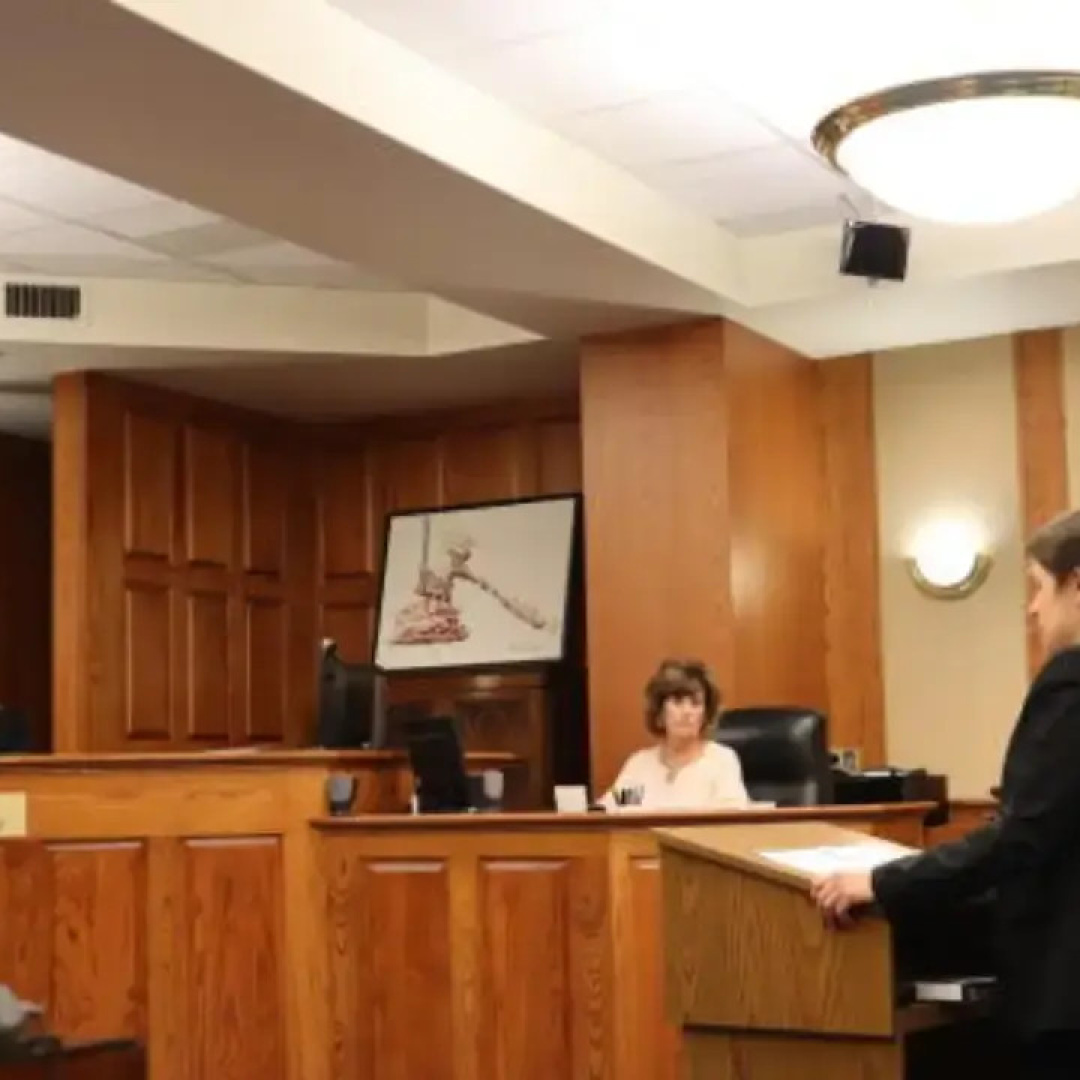
Judge David Leland, writing for the court, argued that the EdChoice program does not genuinely provide families with choice, as private schools often utilize selective admissions processes that can limit access for many students. He described the notion of school choice as a "fundamental misnomer," emphasizing that the decision of which students to admit lies with the schools rather than the families.
In response, Keith Neely, an attorney with the Institute for Justice representing families who benefit from the EdChoice program, criticized the court's interpretation of the Ohio Constitution. Neely asserted that the funding provided through the EdChoice program supports families directly, rather than creating a competing educational system. He contended that the court's reasoning implies that any financial support for alternative education options detracts from public school funding, a notion he believes is fundamentally flawed.
Concerns Over Broader Educational Impacts
Neely also raised concerns about the implications of this ruling for other educational programs, such as the Jon Peterson Special Needs Scholarship and the Cleveland Scholarship Program, both of which provide private school tuition assistance. He pointed to a historical precedent set by the Ohio Supreme Court in Simmons-Harris v. Goff (1999), which found that school choice was constitutional under the same public-education clause.
The families affected by the EdChoice program, along with the state's attorney general, are preparing to appeal the decision to the Ohio Supreme Court. Neely remains optimistic, believing that the constitutional arguments supporting school choice are compelling and will resonate with the higher court. As the litigation continues, families will retain their scholarships, allowing them to pursue educational options while the legal battle unfolds.
The Common Sense Test
This ruling is part of a broader national debate on school choice, with many states facing similar challenges to educational freedom. A recent report highlighted that 80 percent of public school students reside in states with ineffective open enrollment laws, limiting their ability to choose schools outside their assigned districts. The court's decision reflects a prevailing sentiment among some policymakers that educational funding should be strictly allocated to public schools, despite the lack of evidence supporting improved student outcomes from such a restrictive approach.
The real myth in this ongoing debate is not school choice itself, but the idea that providing families with more educational options somehow undermines the quality of education for all students. As this case moves forward, it will be crucial to examine the implications for educational policy and parental rights in Ohio and beyond.