Trump's Campaign Trail: GOP Candidates Keep Their Distance
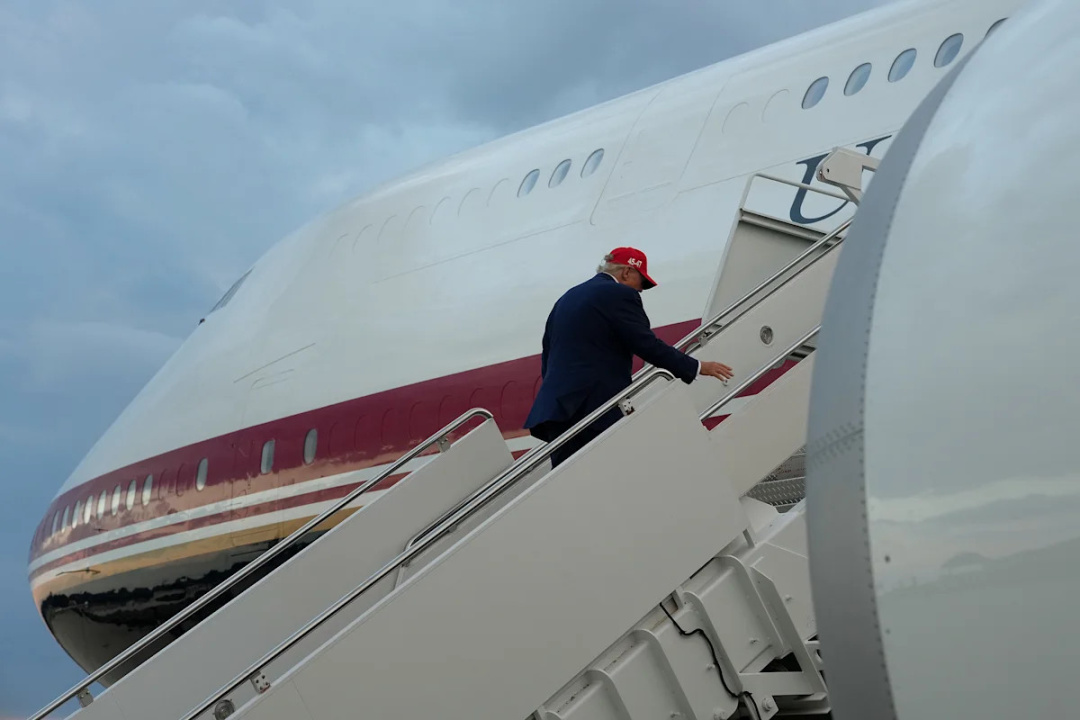
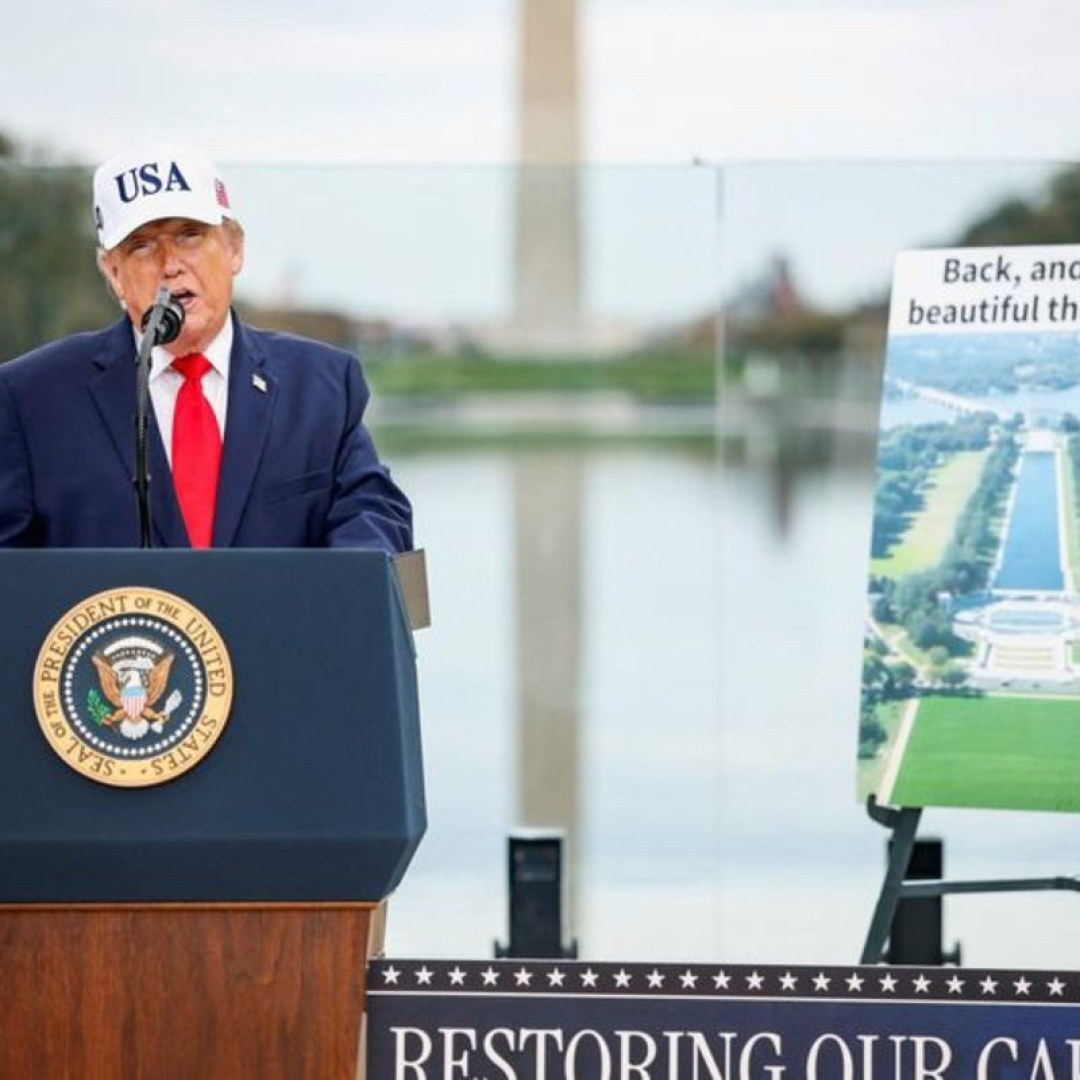
Donald Trump is actively campaigning across the nation to bolster Republican candidates in the lead-up to the midterm elections. However, many GOP candidates are choosing to keep their distance from the former president, a stark contrast to previous election cycles where his endorsement was a sought-after asset. This election, Trump appears to be absent from GOP ads, even in traditionally red states where he had significant support just two years ago.
According to a recent analysis by POLITICO, Democratic candidates and outside groups have spent approximately $145 million on advertisements mentioning Trump, while Republicans have only allocated $8 million for similar messaging. This is a marked decline from the 2024 election cycle when GOP candidates spent $62 million on ads featuring the former president. The current political climate, characterized by Trump's low approval ratings, has left Republican candidates hesitant to publicly embrace him. Ron Bonjean, a veteran GOP strategist, noted that while Trump can help drive turnout among his base, candidates should avoid making Trump the focal point of their campaigns.
Common Sense Shop
The United States of Common Sense
Amazon shopping links. Sponsor Complete!
The unfavorable political landscape has prompted many Republicans in competitive districts to distance themselves from Trump, especially on contentious issues like the Iran war and tariffs. In Alaska, for instance, GOP Senator Dan Sullivan has run ads highlighting his votes related to Trump's Department of Justice without explicitly endorsing Trump. This strategy reflects a broader trend where candidates are cautious about aligning themselves too closely with a historically unpopular figure.
The absence of Trump in campaign advertisements is particularly noticeable in red states like Nebraska and Ohio. In the 2024 elections, both Senator Deb Fischer of Nebraska and then-Senator Bernie Moreno of Ohio featured Trump prominently in their ads, capitalizing on his popularity in their states. However, this election cycle, the GOP is not leveraging Trump's endorsement in their advertising strategies, opting instead to focus on local issues and candidates' own merits.
Navigating Trump's Influence on Campaigns
Despite Trump's absence from the airwaves, his rallies continue to attract significant attention and are viewed as crucial for energizing the Republican base. Candidates are torn between the benefits of Trump's ability to mobilize voters and the risks associated with his controversial policies. In Ohio, former Representative Jim Renacci pointed out that many candidates are reluctant to appear alongside Trump, fearing that his presence could negatively impact their campaigns, especially in light of rising fuel costs and concerns over the Iran conflict.
Trump's campaign team is reportedly aware of these tensions and has allowed GOP candidates the flexibility to distance themselves from some of his stances while still benefiting from his rallies. This approach acknowledges the need for vulnerable candidates to create a buffer between themselves and Trump's policies, which may not resonate with all voters. Republican strategists emphasize that while Trump remains a powerful motivator for the base, candidates must navigate their campaigns carefully to avoid alienating moderate voters.
The Common Sense Test
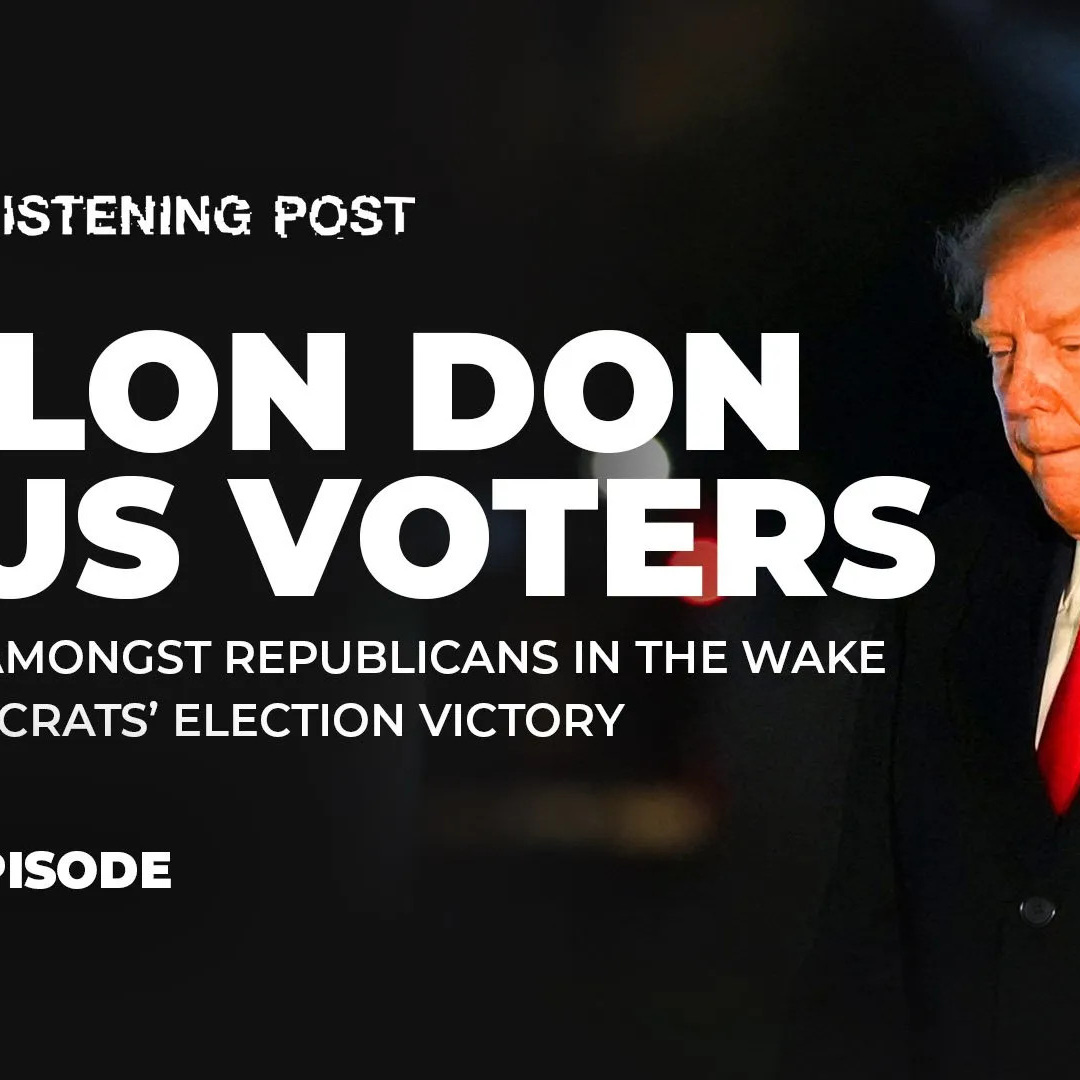
As the midterm elections approach, the question remains: how will Trump's presence—or absence—affect Republican candidates' chances at the polls? With Democrats already mobilized against Trump, the GOP must find ways to engage their base without fully embracing the former president. The balance between leveraging Trump's influence and maintaining independent appeal will be critical for candidates seeking success in this unpredictable political climate. Ultimately, the effectiveness of Trump's campaign efforts will hinge on whether candidates can effectively rally their supporters while managing the complexities of public perception surrounding his presidency.