Bolivia Faces Deepening Energy Crisis Amid Natural Gas Shortages
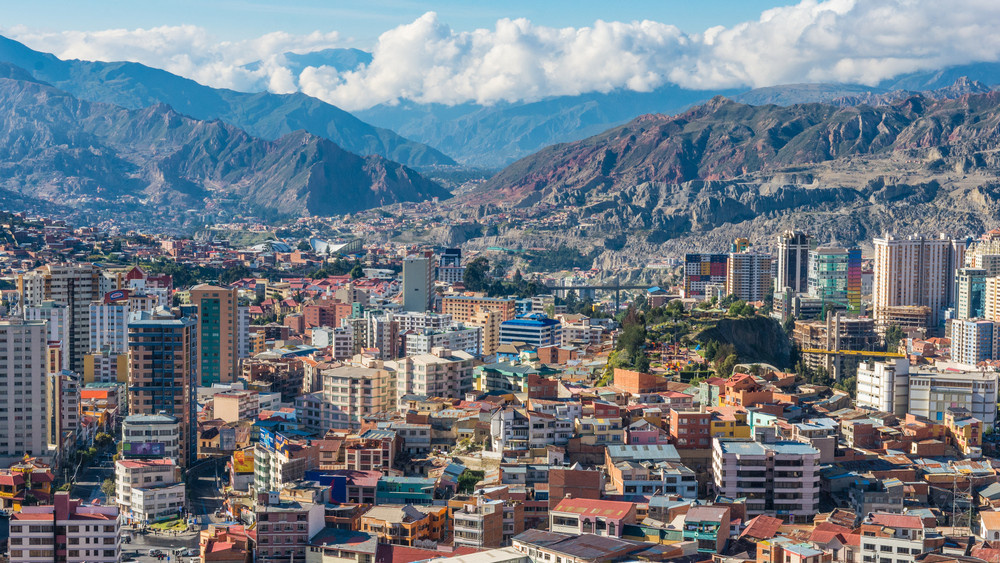
Bolivia is currently facing a significant energy crisis, primarily due to years of underinvestment in its gas industry. The ongoing war in Iran has further exacerbated the situation, driving energy prices to unprecedented levels. The crisis is rooted in a series of poor decisions made by the government over the years, particularly since 2006 when then-president Evo Morales took control of the fossil fuel industry. Morales renegotiated contracts with international oil and gas companies, which initially seemed beneficial as it led to increased revenue for public spending programs and fuel subsidies. However, this wealth was not invested wisely, and as a result, Bolivia is now grappling with dwindling gas reserves and soaring inflation.
As of April, Bolivia has only an estimated 3.7 trillion cubic feet of proven gas reserves, and production has plummeted by nearly 60% over the past decade. This decline has left the country heavily reliant on natural gas, which constitutes around 70% of its electricity generation. Unfortunately, the government has made little progress in developing alternative energy sources, leaving it vulnerable to severe energy shortages. The economic fallout from this crisis is dire, with inflation rising and the cost of imported goods becoming increasingly unaffordable. Luis Fernando Romero, a former head of an association of economists in southern Bolivia, lamented the missed opportunity for economic growth and stability.
Common Sense Shop
The United States of Common Sense
Amazon shopping links. Sponsor Complete!
The situation in Bolivia mirrors challenges faced by other oil-rich nations that have similarly failed to diversify their economies. Many countries in the Middle East have only recently begun to announce plans to reduce their reliance on fossil fuel revenues, but Bolivia's government has yet to take significant steps in this direction. President Rodrigo Paz has warned that international prices are forcing the government to make difficult decisions.
In September, Bolivia's Congress approved a $1.9 billion loan from the International Monetary Fund (IMF), which comes with stringent austerity measures that could provoke social unrest. The loan, approved by the IMF’s Executive Board on October 2, mandates cuts to fuel subsidies and public spending. The government has already raised fuel prices and plans to eliminate further gasoline subsidies starting next year. While this loan may unlock an additional $4 billion from the World Bank and other lenders, there are serious concerns about how these measures will impact the cost of living for already struggling households.
Public Response to Fuel Subsidy Cuts
Recent history has shown that reductions in fuel subsidies have led to widespread protests, with citizens demanding President Paz's resignation. The government has faced backlash for distributing poor-quality gasoline, which has damaged thousands of vehicles, and for failing to address the needs of the most vulnerable populations. In response to the ongoing fuel shortages, the government announced plans to triple the fund for purchasing refined fuel, following similar initiatives by neighboring Peru and Ecuador.
The Common Sense Test
To further mitigate the crisis, Bolivia's Energy Minister Marcelo Blanco has authorized the private sector to import and sell refined fuels. The government is also focusing on exploration and refining to develop its gas resources. However, experts warn that without significant changes, Bolivia could become a net importer of fossil gas by 2030.
As the Bolivian government navigates this energy crisis and seeks to stabilize its economy through international loans, it must prioritize diversifying its economic base and investing in renewable energy sources. This approach is essential to reduce dependency on costly fuel imports and to secure the country’s energy future.