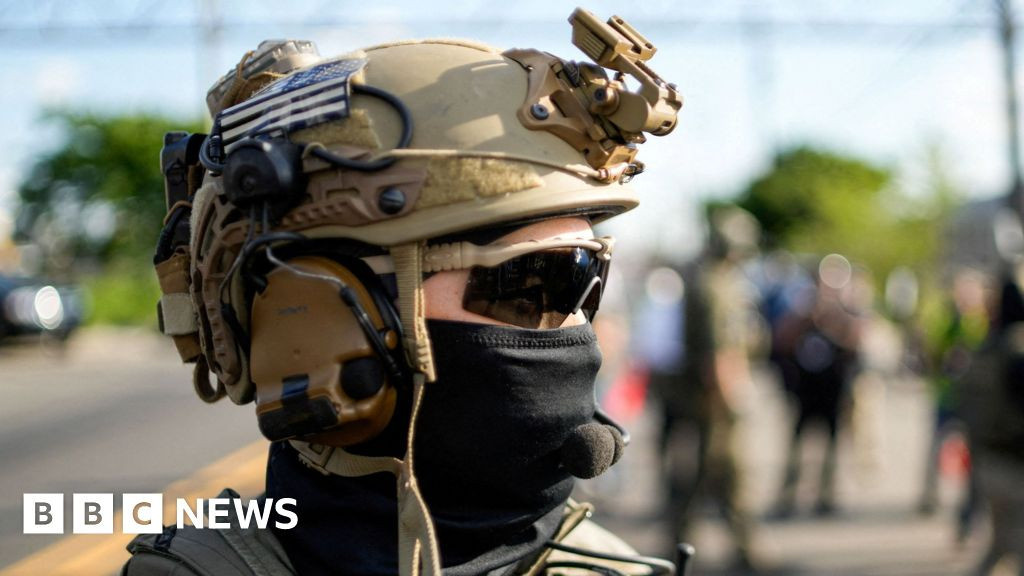
ICE Rejects Automatic Body Camera Activation Amid Accountability Concerns
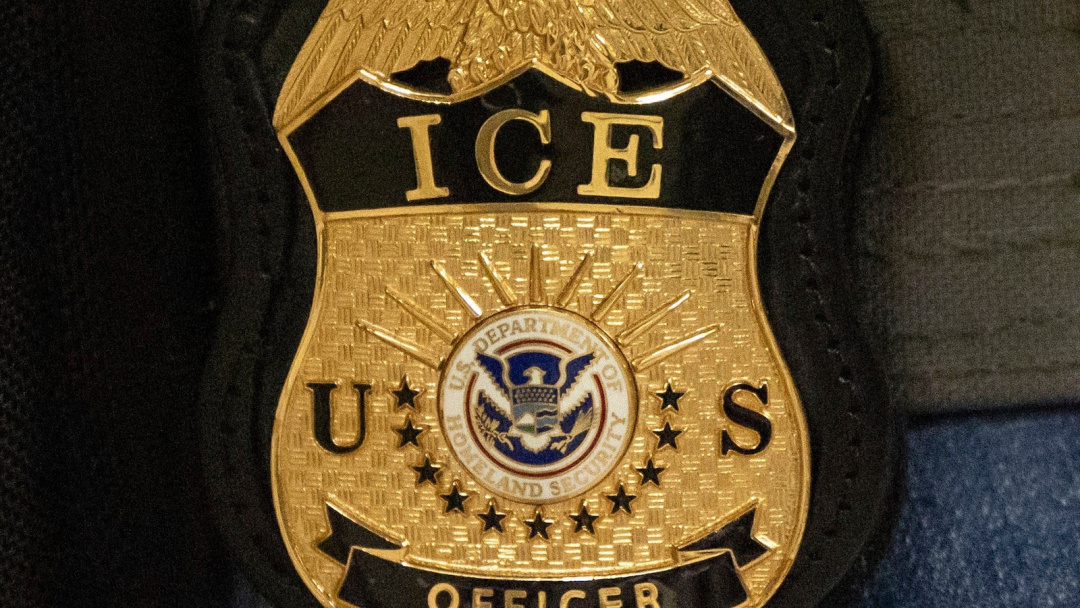
A government report has highlighted the need for U.S. Immigration and Customs Enforcement (ICE) to ensure that body-worn cameras are consistently activated during enforcement operations. This recommendation follows a series of contentious incidents involving ICE officers, including shootings during enforcement actions. The report, released on Wednesday, emphasizes that automatic activation of these cameras when officers draw their weapons or activate vehicle sirens could enhance accountability and transparency, especially given the agency's increasing scrutiny over alleged excessive use of force.
ICE, however, has pushed back against this recommendation, arguing that automatic activation could lead to privacy violations, particularly concerning sensitive interactions with informants or victims. Critics contend that the absence of body cameras during critical incidents undermines public trust and accountability. The report from the Government Accountability Office (GAO) covers the period from February 2025 to September of this year and was requested by Democratic members of Congress, focusing on policies governing body-worn camera usage by ICE and U.S. Customs and Border Protection (CBP).
Common Sense Shop
The United States of Common Sense
Amazon shopping links. Sponsor Complete!
The scrutiny surrounding ICE intensified after several high-profile incidents, including the fatal shootings of individuals such as Renee Good in Minneapolis and Lorenzo Salgado Araujo in Houston. Critics argue that body cameras could serve as a vital tool in holding officers accountable and ensuring transparency in enforcement operations. Despite receiving $20 million from Congress to complete the rollout of body cameras, there have been delays in equipping officers in the field.
DHS Updates on Body Camera Implementation
In a statement, the Department of Homeland Security (DHS) noted that while body cameras have been deployed to more than half of ICE field offices, training for their use is still ongoing. The report suggests that automated camera activation could be particularly beneficial in unexpected situations that lead to the use of force, enhancing public trust in the agency's operations. However, DHS maintains that the current requirement is for officers to activate cameras at the start of pre-planned enforcement activities.
The Common Sense Test
The GAO report also revealed confusion among some ICE and CBP officers regarding when to activate their cameras, with reports of officers unsure if they should record during vehicle searches or while transporting detainees. This uncertainty raises concerns about the effectiveness of the body camera program, as some officers reported not using the cameras at all, even after receiving training.
As the debate over ICE's use of force and accountability continues, the agency's decision to reject automatic camera activation raises important questions about transparency and public trust in law enforcement practices. With ongoing scrutiny and calls for reform, the effectiveness of body cameras in promoting accountability remains a critical issue for ICE and its operations across the country.