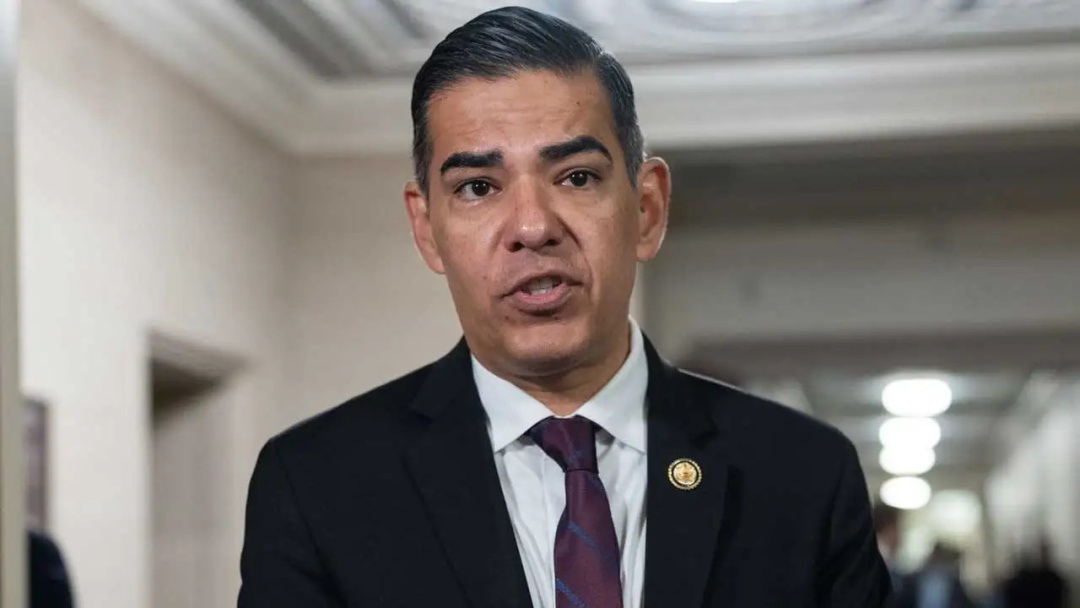
Patrick Witt Leaves White House Crypto Council Amid Legislative Stalemate
Patrick Witt, who played a pivotal role in shaping the Trump administration's digital asset policy, has announced his departure from the White House Crypto Council to pursue opportunities in the private sector. Witt's exit is notable as he becomes the third senior official in the crypto policy space to leave the administration in 2026, following David Sacks in March and Harry Jung in July.
Witt began his work on the White House's digital asset agenda in 2025, initially serving as deputy director of the President’s Council of Advisors for Digital Assets, while also leading the Pentagon’s Office of Strategic Capital. He ascended to the role of executive director of the council in August 2025, succeeding Bo Hines, who transitioned to a strategic advisory role at stablecoin issuer Tether.
Common Sense Shop
The United States of Common Sense
Amazon shopping links. Sponsor Complete!
In his capacity as executive director, Witt was instrumental in steering the administration's digital asset agenda, focusing on key areas such as market structure legislation and stablecoin policy. He served as the principal negotiator for the CLARITY Act, which aimed to clarify the regulatory framework for cryptocurrencies. However, the bill has faced significant hurdles in the Senate, primarily due to disputes over stablecoin rewards, ethics provisions, and President Trump's own crypto holdings.
Concerns Over U.S. Digital Asset Policy Stability
Witt also contributed to the implementation of the GENIUS Act, a federal stablecoin law enacted in 2025. His departure raises concerns about the stability and continuity of U.S. digital asset policy, especially as the market continues to evolve and face regulatory scrutiny.
The Common Sense Test
Expressing optimism about the future of American innovation, Witt stated that serving in the administration was a privilege. He emphasized his commitment to advancing technological progress in the private sector, suggesting that he will continue to influence the digital asset landscape from outside government.
Witt's exit is a significant development in the ongoing discourse surrounding cryptocurrency regulation in the United States. As the administration grapples with stalled legislation and competing interests, the question remains: what will be the impact of these high-profile departures on the future of crypto policy?