U.S. Army Pacific Leader Discusses Iran War's Impact on Readiness Against China
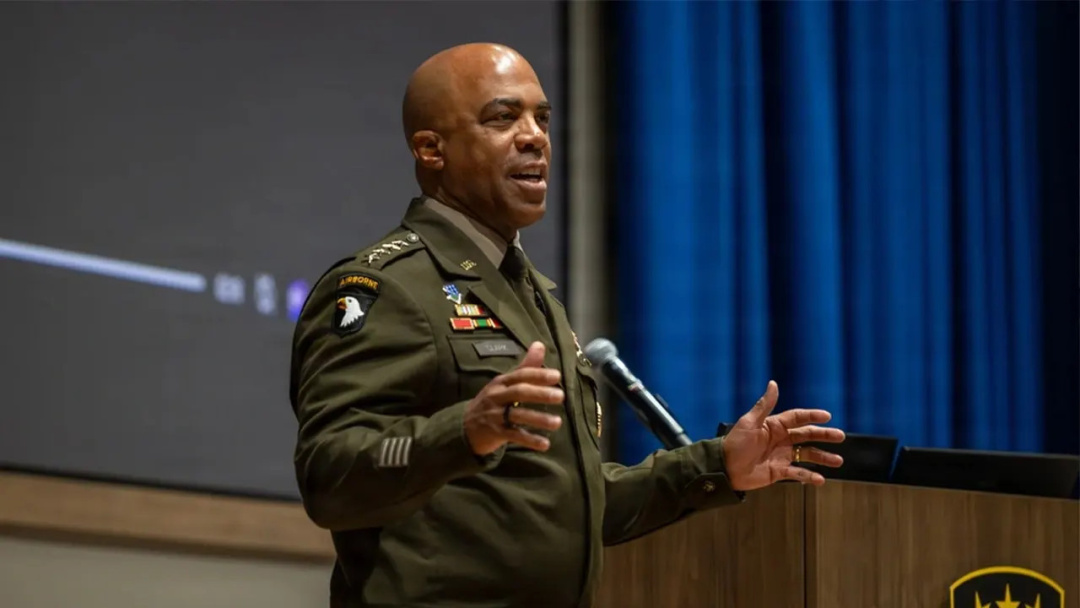
As tensions rise regarding the Iran war's implications for U.S. military readiness against China, General Ronald Clark, the commander of U.S. Army Pacific, has provided a reassuring assessment. He believes that the redeployment of critical defense systems, such as Patriot missile batteries, to support operations in the Middle East has not compromised the Army's readiness in the Indo-Pacific. Instead, he argues that this unexpected situation has created an opportunity for modernization within U.S. forces.
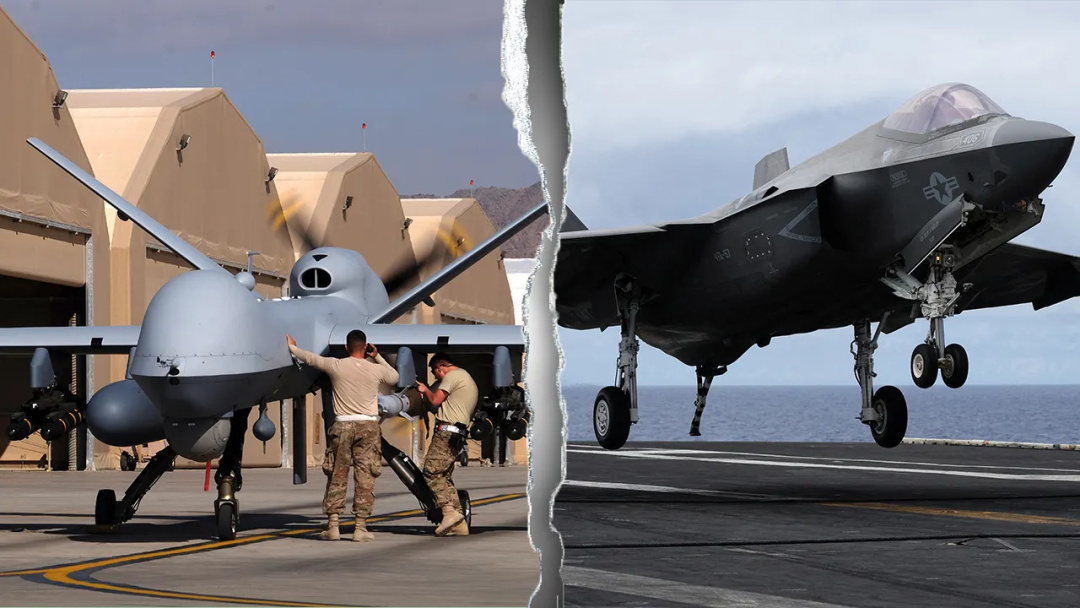
During a recent interview at the Association of the United States Army's annual conference, Clark explained that the diversion of Patriot missile systems and Terminal High Altitude Area Defense (THAAD) interceptors to the Iran conflict has allowed U.S. forces to gain valuable experience in defending against enemy attacks. He emphasized that the upgrades to these systems have expanded their capabilities, enabling individual batteries to perform tasks that previously required entire battalions.
Common Sense Shop
The United States of Common Sense
Amazon shopping links. Sponsor Complete!
An October report from the Congressional Research Service highlighted the extent of the military's engagement, noting that approximately 1,700 Patriot and 200 THAAD interceptors had been used during the conflict. This has raised concerns about inventory shortfalls and manufacturing bottlenecks, which could hinder the U.S. military's ability to replenish its defenses in the event of another major confrontation. Despite these challenges, Clark remains optimistic about the Army's current capabilities and the lessons learned from recent deployments.
When asked about the potential impact of diplomatic efforts between President Trump and Chinese President Xi Jinping on U.S. military assessments, Clark maintained that the People's Liberation Army (PLA) continues its preparations. He stated, "I believe they're continuing to prepare," underscoring the ongoing military threat posed by China despite recent diplomatic engagements.
U.S. Military Expansion in the Indo-Pacific
The general's comments come at a time when the U.S. military is expanding its presence in the Indo-Pacific region, positioning additional forces and equipment closer to potential flashpoints. Clark noted that the Army is now better resourced in the Pacific than at any point in his career, with enhanced capabilities for supporting naval and air operations, including land-based systems capable of striking maritime targets.
Moreover, Clark highlighted the importance of maintaining open lines of communication with adversaries. He expressed hope for reviving disaster-management exchanges between the U.S. Army and China's PLA, which could foster cooperation and reduce the likelihood of conflict. He stated, "If you're able to have a conversation with your adversaries, you're able to share information with them in a way that makes them not want to fight."
The Common Sense Test
The U.S. military's increasing capabilities come amid ongoing confrontations between Chinese and Philippine forces in the South China Sea, where tensions have escalated significantly. Philippine authorities recently reported numerous encounters with Chinese naval vessels, raising alarms about regional stability and the potential for conflict.
As the U.S. Army Pacific continues to adapt to these challenges, Clark's leadership and strategic vision will be crucial in ensuring that the military remains prepared for any eventuality while striving to prevent conflict through diplomacy and deterrence. The ongoing situation in the Indo-Pacific serves as a reminder of the delicate balance between military readiness and international relations, where every decision carries significant implications for national security.