Inflation Rises to 3.7% Amid Fuel Price Surge
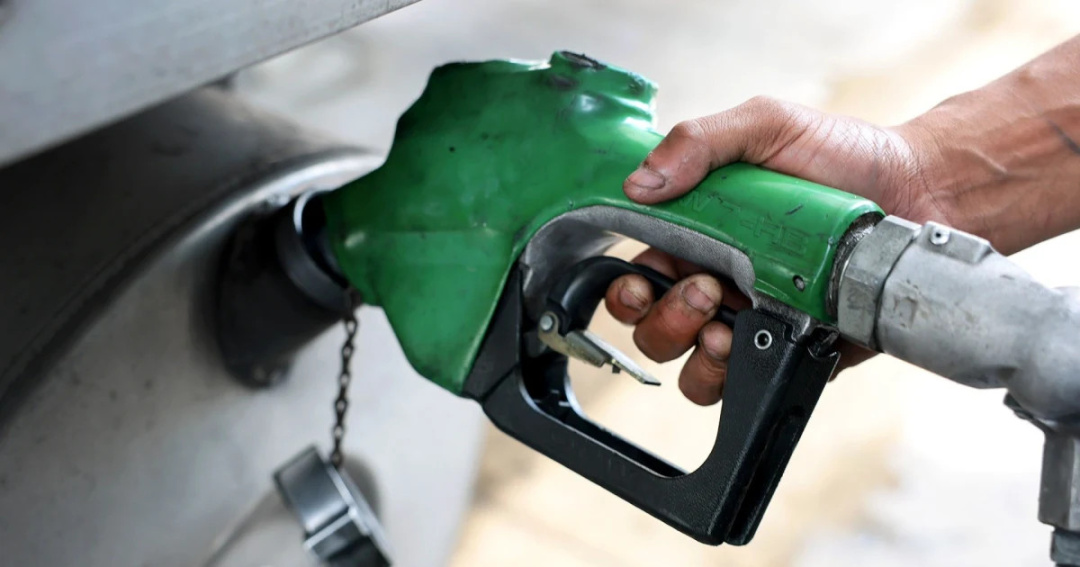
Inflation in the United States has jumped to 3.7%, a significant increase attributed primarily to rising gas and diesel prices. This surge has been linked to ongoing geopolitical tensions, particularly the U.S. military involvement in Iran, which has disrupted energy supplies and driven up costs for consumers. As fuel prices climb, the ripple effects are felt across various sectors, impacting everything from transportation to food prices. NBC’s Christine Romans highlighted these developments, noting that several categories of goods and services are likely to see price increases as a result of these fuel cost hikes. The implications of this inflationary trend are particularly concerning for American families already grappling with the economic fallout from previous price increases. Rising costs at the pump not only strain household budgets but also exacerbate the challenges faced by small businesses that rely on affordable fuel for operations. The current inflationary environment raises critical questions about the effectiveness of government policies in managing economic stability. Policymakers must consider how to address these rising costs without further burdening taxpayers. As inflation continues to rise, it becomes increasingly important for leaders to prioritize measures that support economic growth and protect consumers from the adverse effects of rising prices. The intersection of energy policy and economic management will be crucial in determining the future trajectory of inflation and its impact on American households. The ongoing situation demands careful scrutiny and a commitment to common-sense solutions that prioritize the well-being of citizens over bureaucratic interests.
Common Sense Shop
The United States of Common Sense
Amazon shopping links. Sponsor Complete!