Strait of Hormuz Crisis Leaves 6,000 Sailors Stranded Amid Attacks
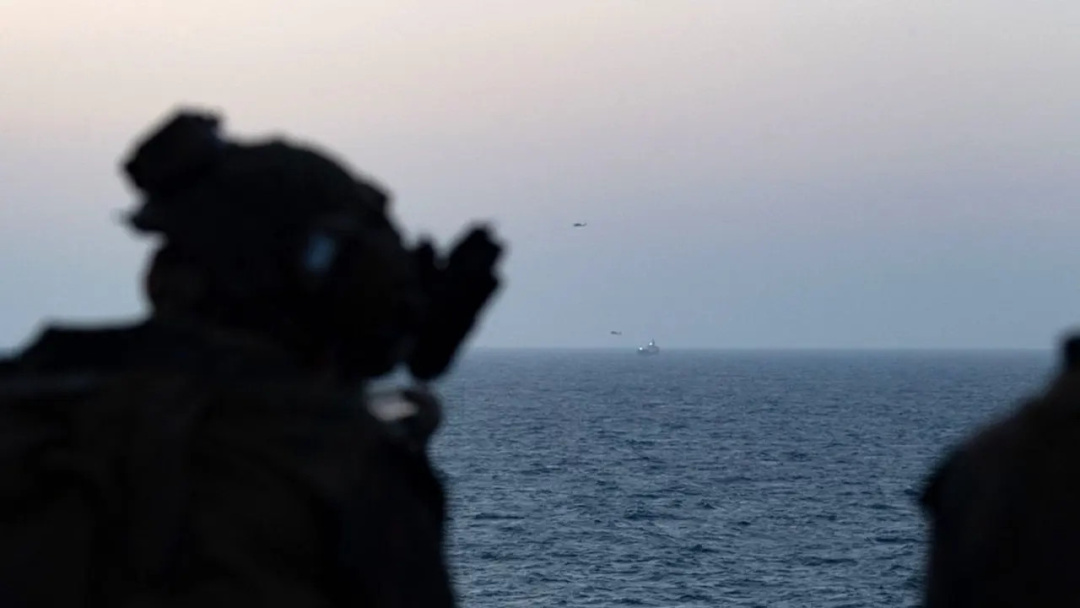
The Strait of Hormuz is currently witnessing a severe crisis, as approximately 6,000 sailors find themselves stranded amid a surge of attacks on commercial vessels. This alarming situation was highlighted by Arsenio Dominguez, the Secretary-General of the International Maritime Organization (IMO), who emphasized the critical state of international shipping in the region. Reports indicate that 24 ships have been attacked over the past two weeks, raising significant concerns about maritime safety and the implications for global trade.
Dominguez's warnings come in the wake of Iran's accusations against the U.S. military, claiming that American forces have been using VHF Channel 16, an international maritime distress channel, to threaten Iranian crews. This channel is intended for emergency communications, and Iran's letter to the IMO alleges that U.S. forces have occupied it for extended periods, using it to deliver intimidating messages in Persian to Iranian sailors. The situation is exacerbated by the fact that seafarers are not trained for combat and should not be caught in the crossfire of geopolitical tensions.
Common Sense Shop
The United States of Common Sense
Amazon shopping links. Sponsor Complete!
The U.S. Central Command (CENTCOM) has defended its naval blockade of Iranian ports, asserting that it is communicated clearly to all international mariners. CENTCOM stated that vessels that do not comply with the blockade are given multiple warnings and opportunities to adhere to the regulations. This response underscores the ongoing tensions in the region, where maritime safety is increasingly compromised by military actions and accusations.
Dominguez has called for caution, advising seafarers to avoid the Strait of Hormuz until guarantees of safety can be assured. He noted that the situation has escalated to the point where the IMO may need to review its regulations and procedures to enhance maritime safety. The organization has recorded 100 confirmed maritime incidents in the region, with 24 seafarers having lost their lives since the conflict began in late February.
Risks from Fraudulent Ship Practices
The rise in fraudulent ship registrations and the use of false flags have also contributed to the dangers faced by vessels in the Strait. Dominguez pointed out that irresponsible shipowners are risking lives by operating under dubious registrations to facilitate trade. This situation not only endangers the sailors but also poses a significant risk to international shipping lanes that are crucial for global commerce.
The Common Sense Test
Despite the escalating tensions, diplomatic channels with Iran remain open, although direct communication with the Islamic Revolutionary Guard Corps (IRGC) is absent. Dominguez's role involves facilitating communication among member states of the IMO, and he has emphasized the importance of addressing the concerns raised by all nations involved in maritime activities in the region. As the situation develops, the need for effective communication and adherence to international maritime laws becomes increasingly urgent.
The crisis in the Strait of Hormuz serves as a stark reminder of the vulnerabilities faced by maritime operations in politically volatile regions. With thousands of sailors trapped and the threat of further attacks looming, it is imperative that international bodies like the IMO take decisive action to ensure the safety of commercial shipping. The allegations against the U.S. military regarding the misuse of emergency channels highlight the complexity of the situation and the necessity for transparent communication among all parties involved. As the world watches, the response to this crisis will have lasting implications for maritime safety and international relations in the region.