Supreme Court to Review Home Distilling Ban from Reconstruction Era
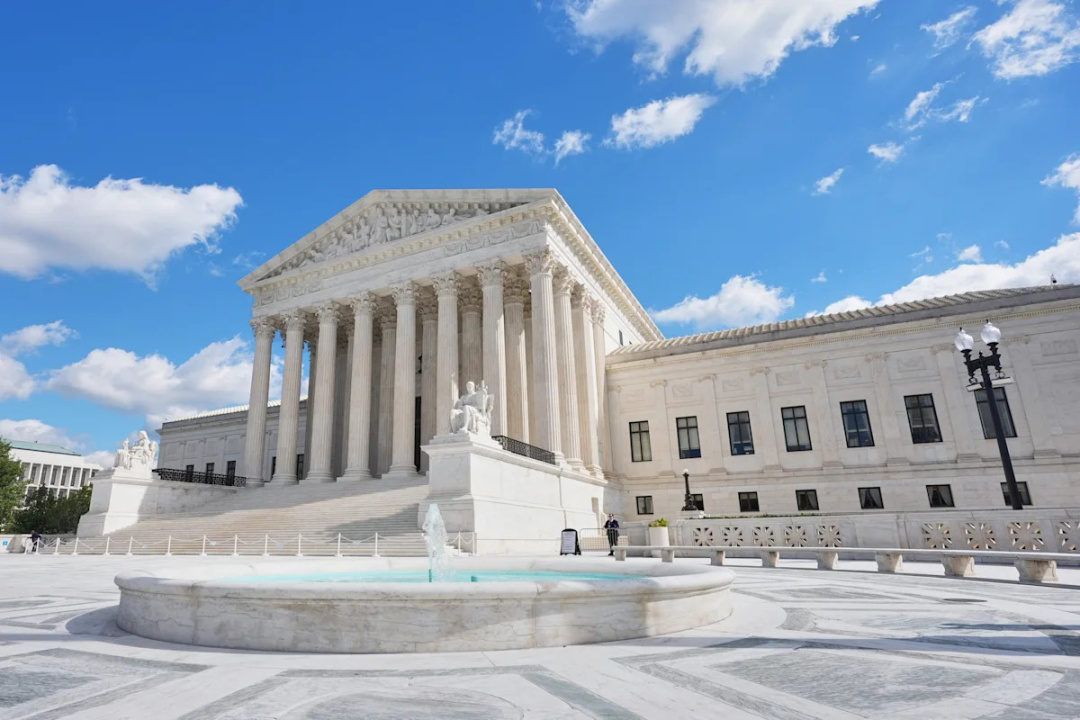
The Supreme Court has taken a significant step by agreeing to review a ban on home distilling that dates back to the Reconstruction era. This law, enacted in 1868, is being challenged by plaintiffs who argue that it represents an outdated overreach of congressional power. They contend that the prohibition is a relic of a time when Congress sought to curb fraud among commercial distillers, and they assert that it is time for the law to be repealed.
The plaintiffs, including members of the Texas-based Hobby Distillers Association, argue that Congress exceeded its constitutional authority when it imposed restrictions on home distilling as part of a tax reform measure. They claim that this ban infringes on personal liberties and that it is inconsistent with the foundational principles of American governance. The plaintiffs' attorney, Robert Alt, expressed enthusiasm about the Supreme Court's decision to hear the case, stating that the founders would be appalled to see such a common American pastime criminalized.
Common Sense Shop
The United States of Common Sense
Amazon shopping links. Sponsor Complete!
On the other hand, government attorneys defend the ban as a legitimate exercise of Congress's power to regulate taxation and prevent tax evasion. They argue that allowing home distilling could undermine federal excise taxes and lead to significant revenue losses. The government warns that lifting the ban would not only contradict established Supreme Court precedent but could also set a dangerous precedent for future legislation. They note that the law is designed to ensure compliance with federal regulations and inspections, which are critical for maintaining tax integrity.
Conflicting Circuit Court Rulings on Distilling
The case has generated conflicting decisions among federal circuit courts. The Sixth U.S. Circuit Court of Appeals upheld the federal ban in a case involving John Ream, a brewpub owner from Ohio who wishes to distill whisky for personal use. Conversely, the Fifth Circuit ruled in favor of the Hobby Distillers Association, stating that the ban exceeds Congress's taxing authority as outlined in the Constitution.
The Common Sense Test
As the Supreme Court prepares to hear the case, it will be addressing fundamental questions about the extent of federal power versus states' rights. The implications of this case could be far-reaching, potentially affecting not only home distilling but also a variety of activities conducted within private homes. The plaintiffs' lawyers have argued that if Congress can impose such a ban, it could lead to broader restrictions on personal freedoms, including regulations on cooking or gardening.
The Justice Department has urged the Court to avoid delving into additional questions regarding the scope of Congress's power over interstate commerce, emphasizing that the current arguments should focus on the taxation and regulation of distilled spirits. The outcome of this case will likely have significant implications for the balance of power between federal authority and individual liberties, making it a critical moment in the ongoing discussion about the limits of governmental power in America.