Trump Pledges $8 Billion in Aid to Farmers Amid Economic Struggles
As harvest season unfolds, farmers like fifth-generation Kansas farmer Glenn Brunkow are facing unprecedented challenges. With diesel prices soaring over $2.50 per gallon compared to last year, the financial strain on farmers is palpable. Brunkow, who leads the Kansas Farm Bureau, notes that the pressures are intensifying from all sides, with rising costs and unpredictable markets squeezing profits.
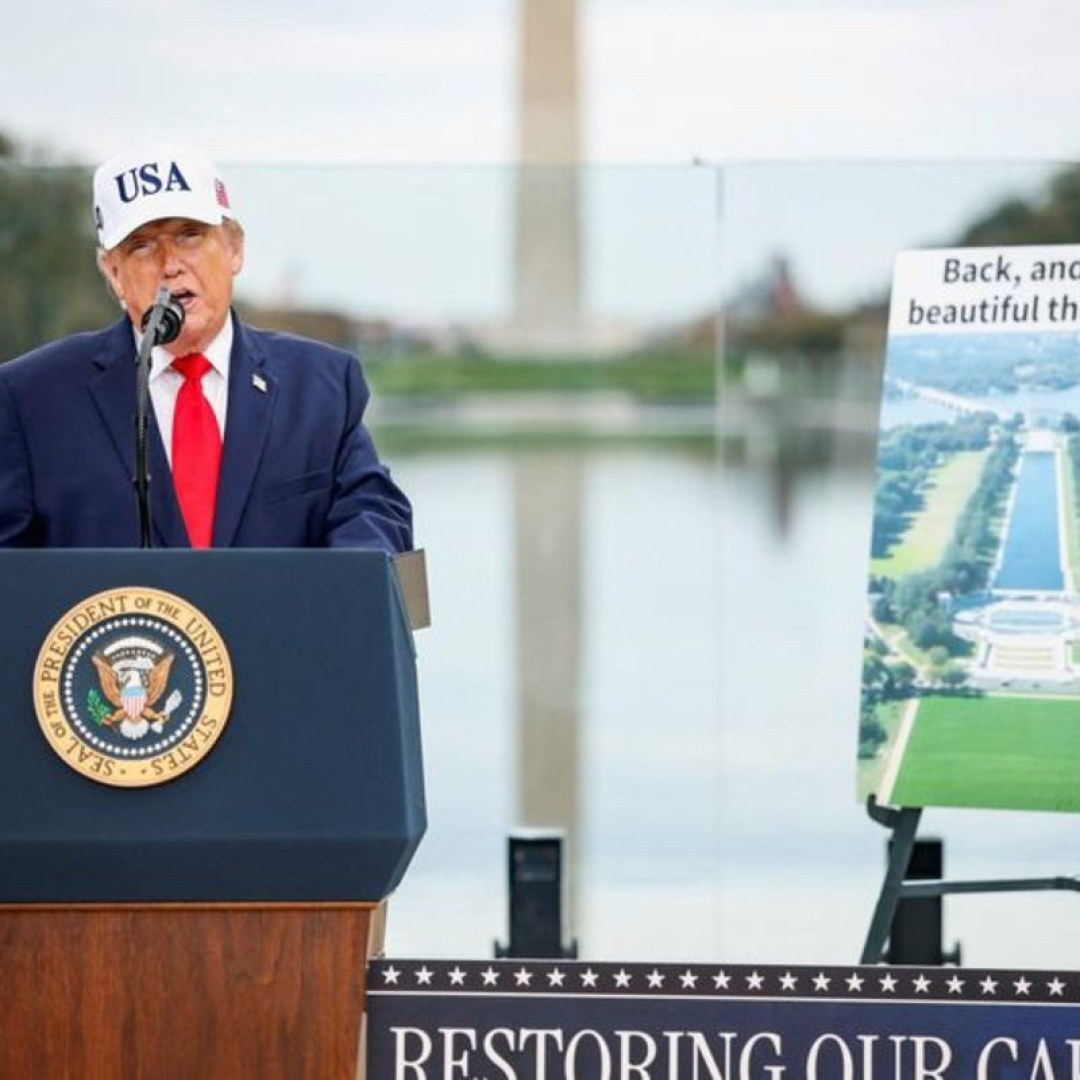
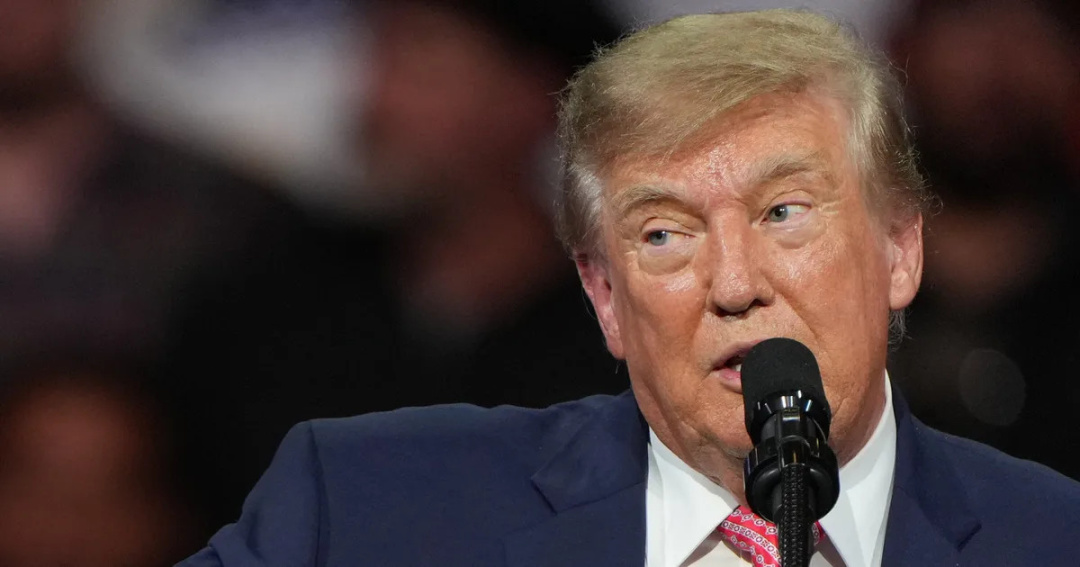
In response to these growing economic concerns, President Trump visited Kansas to rally support ahead of the midterm elections. He urged attendees to consider him as a candidate on the ballot, emphasizing his commitment to farmers. "In this election, I’m asking you to pretend please that I’m on the ballot," he stated, addressing a crowd that included both supporters and protesters.
Common Sense Shop
The United States of Common Sense
Amazon shopping links. Sponsor Complete!
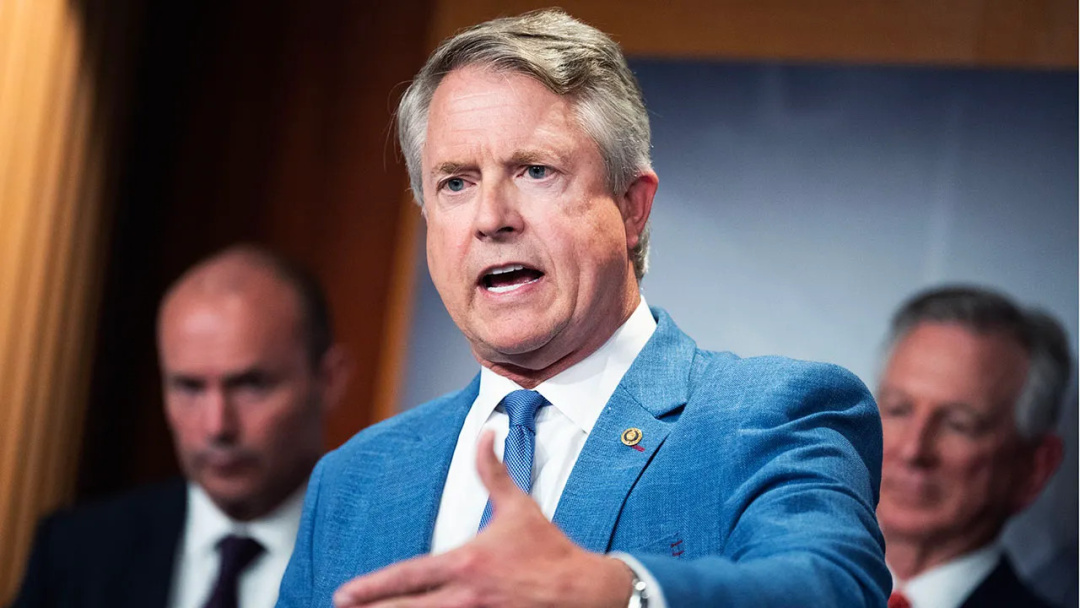
Republicans are increasingly worried about voter enthusiasm in states they have traditionally dominated. In Kansas, where Trump won by a significant margin in 2024, Republican Senator Roger Marshall faces a challenging race against Democrat Adam Hamilton, who has garnered some Republican endorsements. Hamilton, the founder of a large United Methodist church, has positioned himself as a moderate alternative, stating that he welcomes support from Trump voters.
Brunkow expressed concern that while economic frustrations might not directly shift Republican farmers to vote for Democrats, they could dampen enthusiasm for getting to the polls. Former Republican state House majority leader Don Hineman echoed these sentiments, noting that frustration is growing among GOP voters, including those who have historically supported Trump. Many farmers feel that Trump's tariffs have adversely affected their businesses, and ongoing issues such as immigration policy have become significant points of contention.
Hineman stressed the need for a secure border while also advocating for an immigration policy that meets the labor needs of the agricultural sector. He expressed his fatigue with the Republican Party's narrative that electing Democrats would lead to disaster, suggesting that this strategy is losing its effectiveness.
Voter Sentiment Shifts Amid Economic Strain
Debbie Geneva, a lifelong Republican voter, shared her uncertainty about the upcoming Senate race, noting that rising healthcare and everyday expenses have contributed to her frustrations. She has never voted for a Democrat but finds herself undecided this election cycle, reflecting a broader sentiment among voters feeling the economic pinch.
The economic landscape for farmers has worsened, with the U.S. Department of Agriculture projecting a 2.6% decline in net farm income this year, coupled with a 4.5% rise in production expenses. Fuel and oil costs are expected to surge nearly 30%, significantly impacting farmers during this critical season when fuel is essential for machinery and transportation.
In light of these challenges, Trump announced a new harvest fuel relief program aimed at providing $8 billion to assist farmers with their diesel costs. He also signed an executive order to ease restrictions on tax-free red-dyed diesel, claiming it would save farmers millions. Despite these efforts, many farmers remain skeptical, feeling that their financial outlook has not improved as expected under his administration.
The Common Sense Test
As Trump prepares for further campaign stops in Iowa, where economic issues are similarly pressing, Republicans are investing heavily in Senate races across agricultural states. David McIntosh, president of the Club for Growth, acknowledged the mounting concerns about voter enthusiasm in these regions, emphasizing the need for GOP candidates to address the economic realities facing farmers.
Democrats are seizing the opportunity presented by these economic frustrations, suggesting that they may perform better than anticipated in traditionally Republican strongholds. Former Senator Jon Tester noted that farmers are increasingly focused on their financial challenges, which transcend political affiliations. As the election approaches, the question remains whether Trump's promises will resonate with voters who are feeling the economic squeeze.