Trump Advocates Harsh Punishment for Government Leakers at Arizona Rally
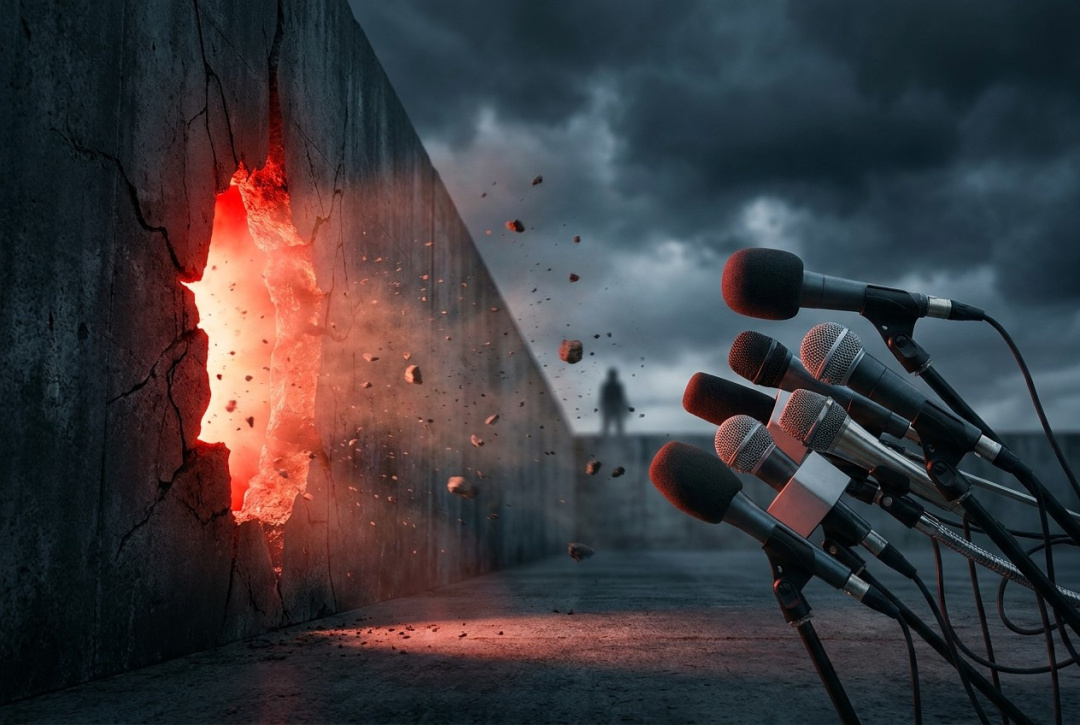
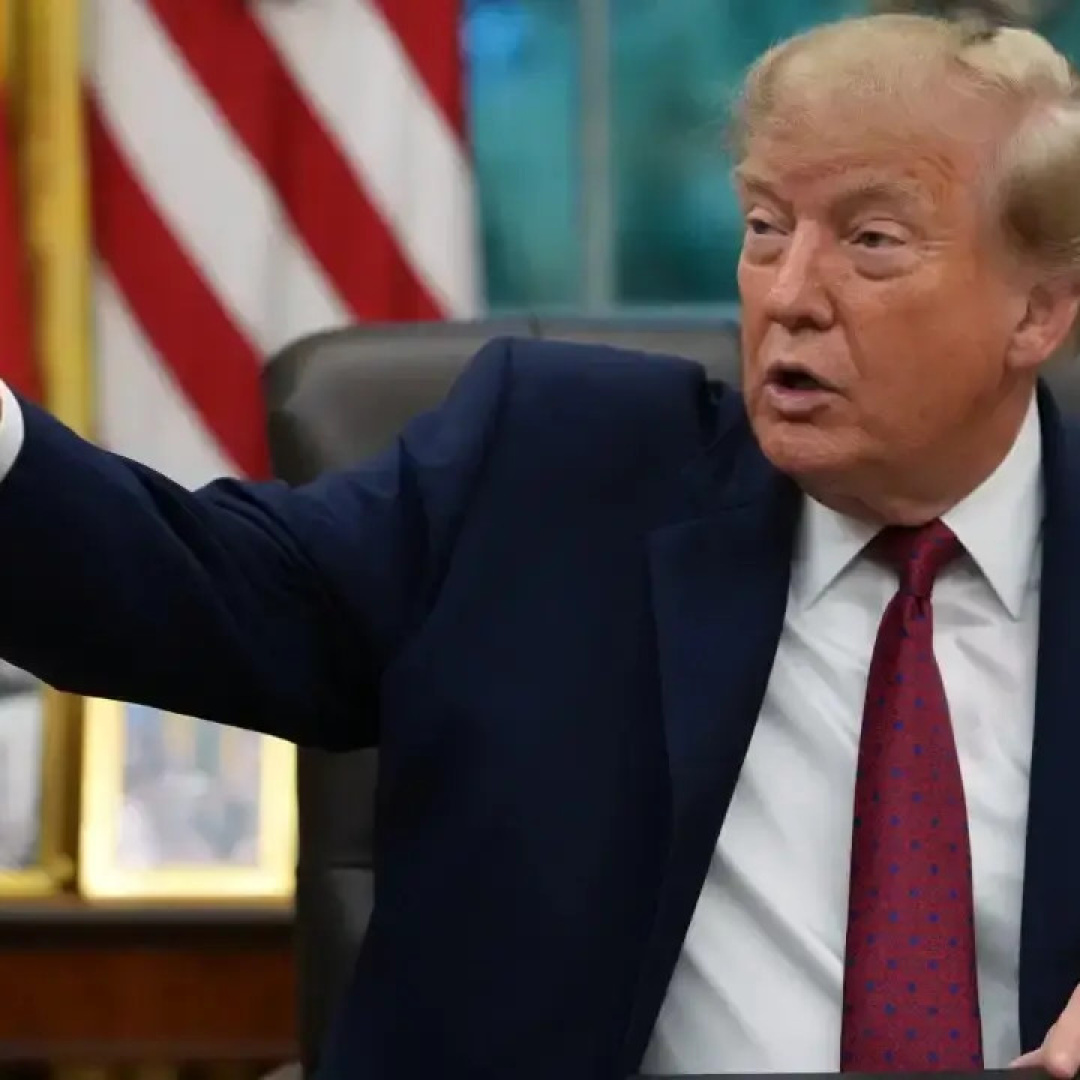
At a campaign rally in Bullhead City, Arizona, President Donald Trump stirred controversy by stating that government leakers should be shot. This remark was made while discussing the implications of leaked information about U.S. military operations, particularly in relation to Iran. Trump expressed that such disclosures could endanger American troops and asserted that extreme punitive measures were necessary to deter future leaks.
Trump's comments came during a rally at Laughlin/Bullhead International Airport, where he emphasized the need for strict enforcement against those who leak sensitive information. He claimed, "In the old days we used to shoot leakers, you know, when they leak what time you're going to attack a country." This statement underscores his administration's ongoing efforts to combat leaks, which have included implementing rigorous nondisclosure agreements for federal employees and conducting polygraph tests.
Common Sense Shop
The United States of Common Sense
Amazon shopping links. Sponsor Complete!
The president's remarks were particularly pointed in light of recent disclosures about Operation Midnight Hammer, a military initiative involving strikes on Iran's nuclear facilities. Trump argued that such leaks not only compromise military operations but also jeopardize national security by potentially alerting adversaries to U.S. strategies. He defended the military's actions as vital to preventing Iran from acquiring nuclear capabilities that could threaten millions.
In addition to his comments on leakers, Trump reiterated his administration's commitment to pursuing those responsible for leaking classified information. He has previously threatened legal action against journalists who report on such leaks, asserting that the media often disseminates false information. Trump's administration has escalated its legal efforts against news organizations, including subpoenas for reporters from major outlets like The New York Times.
The president's comparison of journalists to leakers highlights a growing tension between the media and the administration. He accused the press of fabricating anonymous sources and spreading misinformation, further complicating the relationship between the White House and the media landscape. This comes amid a broader pattern of investigations into leaks, with Trump asserting that the pursuit of these disclosures is essential for maintaining national security.
The Broader Implications of Trump's Remarks
The implications of Trump's comments extend beyond the rally itself. His administration's intensified focus on leaks reflects a broader strategy to control information and protect military operations from public scrutiny. By framing leaks as a national security threat, Trump aims to rally support for his policies while simultaneously undermining the media's role in holding the government accountable.
As the White House continues its crackdown on leaks, the question remains: how will this impact the relationship between the government and the press? Trump's rhetoric suggests a willingness to blur the lines between legitimate journalism and what he perceives as treasonous behavior. This approach may have lasting effects on press freedom and the public's right to know about government actions.
The Common Sense Test
In assessing Trump's statements and the administration's actions, it is crucial to consider the balance between national security and transparency. While protecting sensitive information is vital, the potential consequences of stifling journalistic inquiry could lead to a less informed public. As the administration pushes forward with its agenda, the challenge will be to navigate these complex issues without compromising the foundational principles of democracy and accountability. Ultimately, the effectiveness of Trump's policies will be judged not only by their immediate outcomes but also by their adherence to the values that underpin American governance.