Trump's Unfounded Claims About Schools and Transgender Surgery

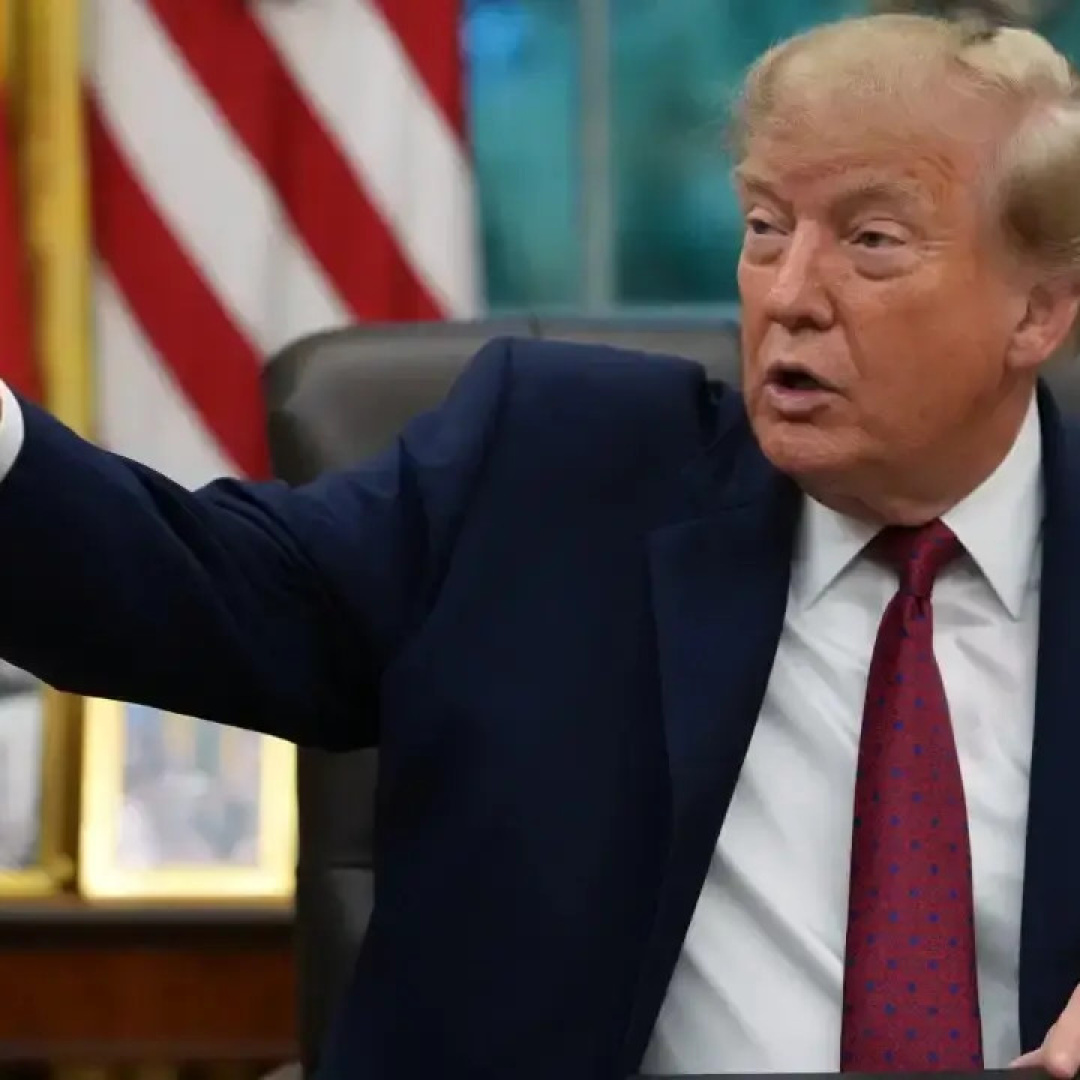
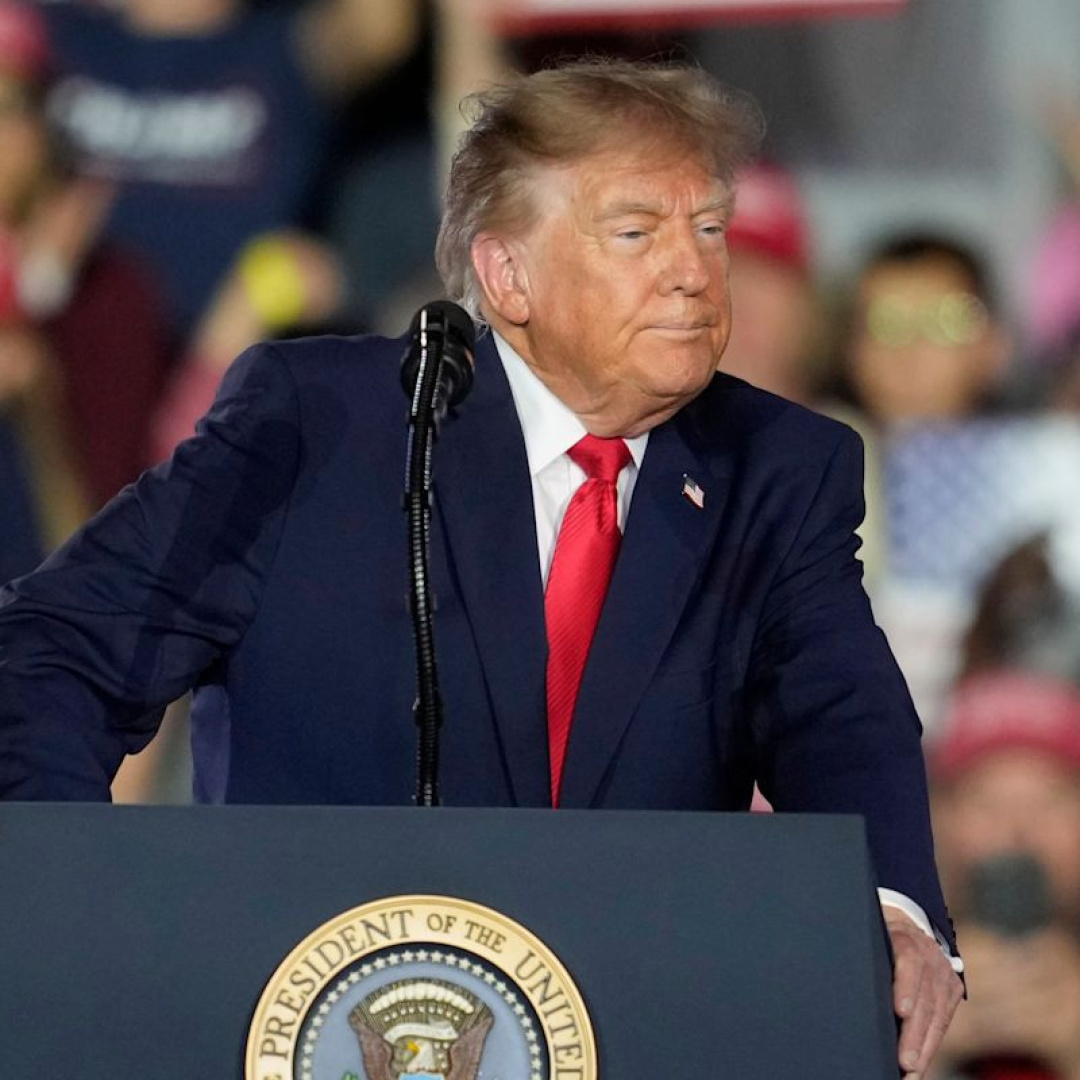
During a rally in Dalton, Georgia, Donald Trump made a bold claim that five states are allowing schools to promote transgender surgery for minors. He characterized this as part of a broader trend of critical race theory and what he termed "transgender mutilization insanity" infiltrating the educational system. Trump painted a vivid picture of a scenario where children could transition genders within days, a narrative that stirred outrage among his critics.
He stated, "We have five states where your child goes off to school as Tim and comes back as Tammy three or four days later." Such statements, however, lack any factual basis, as there has been no evidence presented to substantiate his claims about schools facilitating gender-affirming surgeries without parental consent. The media has consistently reported that Trump's assertions are false, yet he continues to repeat this narrative, seemingly unfazed by the lack of supporting evidence.
Common Sense Shop
The United States of Common Sense
Amazon shopping links. Sponsor Complete!
Critics argue that Trump's rhetoric is not only misleading but also dangerous, as it contributes to a climate of fear and misunderstanding surrounding transgender issues. CNN has reported that Trump's claims about schools secretly sending children for gender surgeries are not supported by any credible evidence. His campaign has failed to provide specific examples or names of schools involved in such practices, reinforcing the view that these assertions are more about political posturing than reality.
The implications of Trump's statements extend beyond mere misinformation. They reflect a broader trend in political discourse where sensational claims are made without regard for truth or accountability. This situation raises questions about the responsibility of political leaders to provide accurate information, especially on sensitive topics that affect the lives of children and families.
Escalating Misinformation Ahead of 2024
As Trump navigates the political landscape leading up to the 2024 election, his tendency to amplify falsehoods may escalate. Observers worry that if he loses control over Congress, the next two years could see an unprecedented surge of misinformation from his camp, potentially impacting public perception and policy discussions on education and health care.
The Common Sense Test
The challenge lies in countering these narratives with factual information while engaging with a public that may be swayed by emotional appeals rather than data. The responsibility falls on both media and citizens to critically evaluate claims made by public figures and demand accountability. As misinformation spreads, the need for clear, truthful communication becomes even more crucial in maintaining a well-informed electorate.
Ultimately, the question remains: how do we ensure that political discourse is grounded in reality rather than hyperbole? As citizens, we must advocate for transparency and truthfulness from our leaders, recognizing that the stakes are high when it comes to the education and well-being of our children. The responsibility to challenge false narratives lies with all of us, as we strive for a society where facts prevail over fiction in the public square.