Trump's $5,000 Checks: A Gamble on Republican Voter Turnout
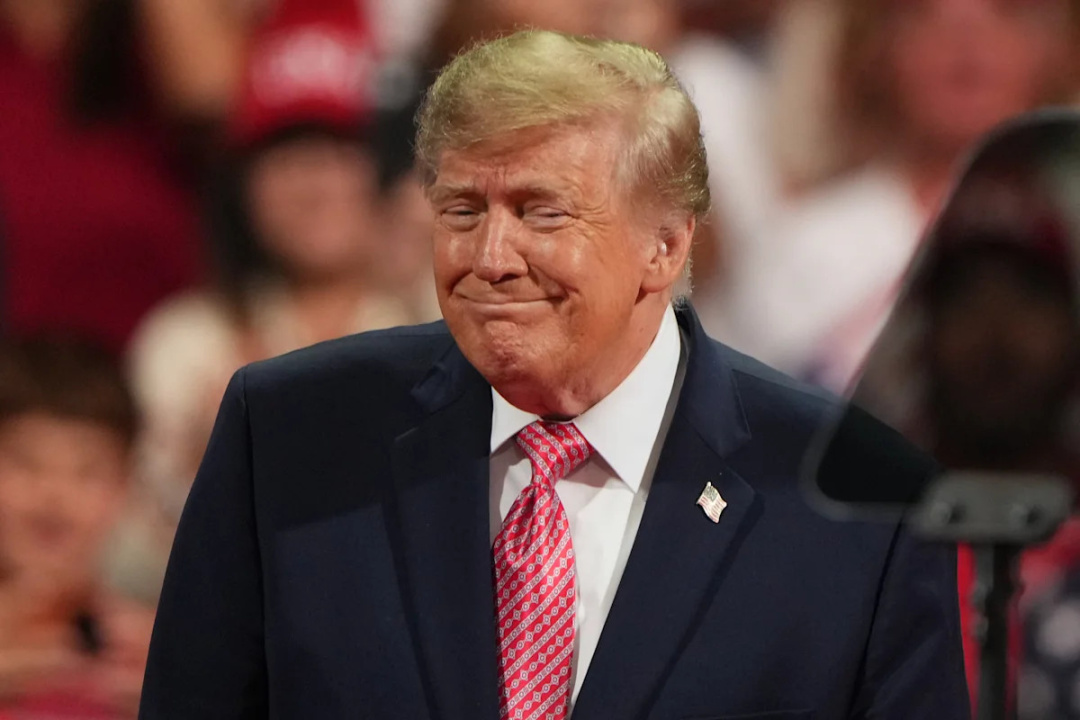
President Donald Trump is making headlines with his proposal to offer $5,000 checks to American voters in an effort to boost Republican turnout in the upcoming midterm elections. This strategy, while ambitious, has sparked skepticism even among his most ardent supporters, many of whom doubt that such government payouts will materialize. Jamie Alvarez, a Trump supporter at a recent rally in Alaska, expressed a common sentiment, stating, "I mean, I guess it's good for some people. I really don't care. I don't feel like your vote should be bought. I feel like you should vote for who you feel is going to do the best job."
Joseph Eatherton, another rally attendee, echoed this uncertainty, questioning the necessity of the checks and expressing doubt about Trump's ability to deliver on such promises. This skepticism is not unfounded; Trump has previously touted similar financial incentives, including $2,000 dividends from tariffs and large refunds from proposed spending cuts, none of which came to fruition. The current proposal raises eyebrows about the level of trust voters have in Trump's commitments as they head to the polls on November 3.
Common Sense Shop
The United States of Common Sense
Amazon shopping links. Sponsor Complete!
Some staunch supporters, like Lucy Martinez, president of a Republican women's club in Texas, remain optimistic. "I think that I will get the $5,000," she asserted, emphasizing her belief that Trump has kept his promises. However, many voters feel disillusioned by his economic management, particularly in light of rising inflation and ongoing international conflicts. Amy Frederiksen, a former Republican Senate majority leader, pointed out that trust in Trump's promises has waned significantly. "The trust on this is already gone for most people," she remarked, noting that many view the proposal as just another exaggerated promise.
As the midterms draw closer, Trump has also proposed a $90 payment to 20 million Medicare enrollees and $500 rebates for those allegedly overcharged for their Obamacare plans. He has even introduced "Trump accounts" for children to invest in stocks. However, the $5,000 checks hinge on Republicans retaining their majorities in Congress, a prospect that could cost over $1 trillion, raising concerns about the implications for the national deficit and inflation.
White House Justifies Economic Promises
The White House argues that the payments are feasible due to Trump's trade deals and foreign investment commitments. They claim these checks would help Americans recover from inflation that began during President Joe Biden's administration, despite Republicans attributing that inflation to pandemic-related government spending. When asked about the economic modeling for these checks, Christopher Phelan, chairman of the White House Council of Economic Advisers, declined to provide a definitive answer.
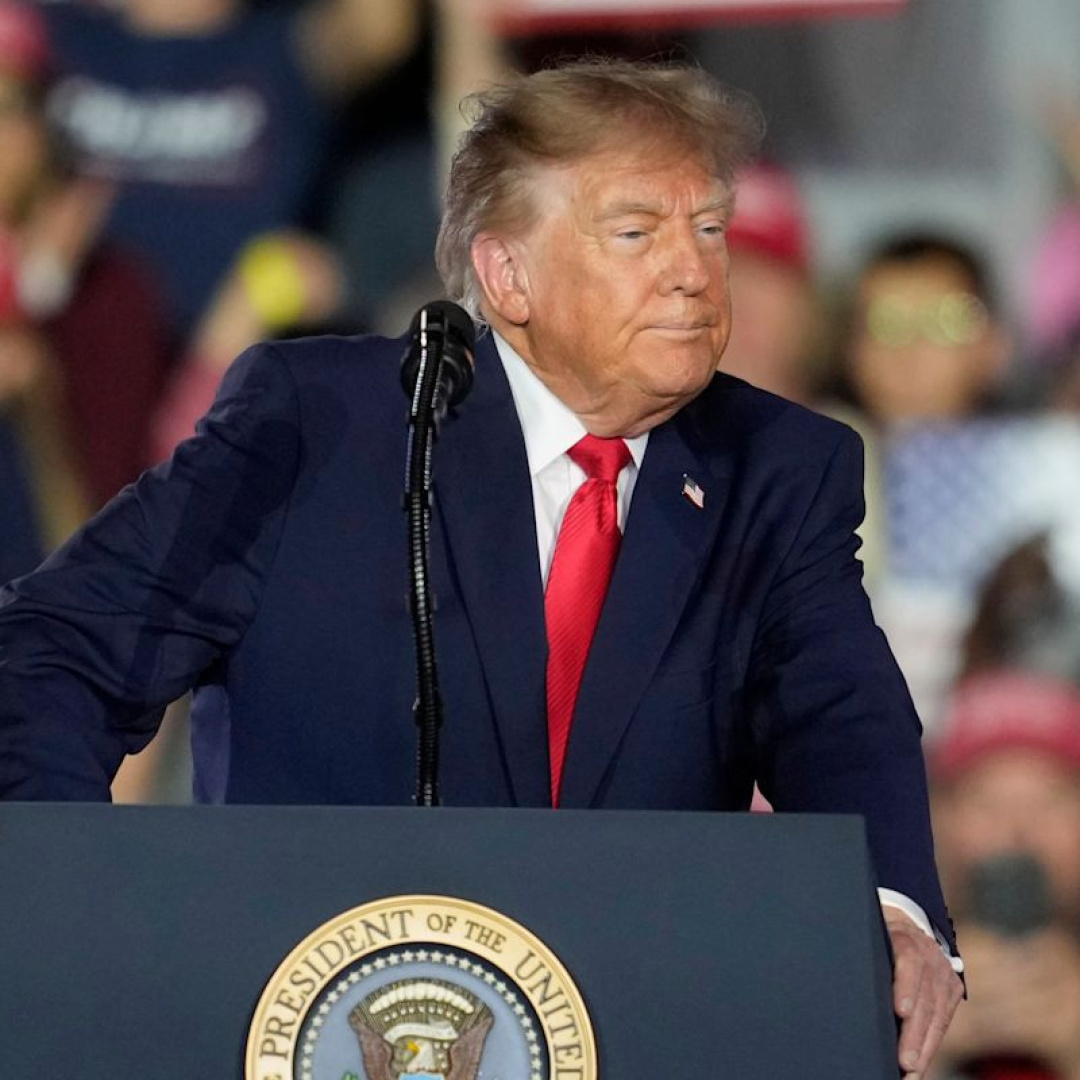
Polling data from AP-NORC indicates that roughly half of registered voters believe Trump does not keep his promises. While Republican voters are somewhat more forgiving, only about 40% believe he consistently delivers on his commitments. At a recent rally in Kentucky, Trump confidently asserted, "If the Republicans win, you'll each have $5,000 in your pocket and economic success for our country like we have never seen before." However, campaign spending data reveals that Republicans are not heavily promoting this promise in their advertisements, leaving many to question its credibility.
The Common Sense Test
In a humorous twist, Trump suggested that if people receive the checks, they should spend them at his luxury club in Palm Beach, joking, "Let's have lunch at Mar-a-Lago, where for $5,000, you'll get one hamburger and a small dessert." While some attendees at his rallies express faith in his ability to deliver on these promises, they also acknowledge that if the checks do not come through, it won't be his fault. As Mike Boatman, a 58-year-old supporter from Indiana, put it, "I could use $5,000. I mean, he's done everything he's said he's going to do."
The upcoming elections will not only test Trump's influence over the Republican base but also gauge the electorate's trust in his economic proposals. The question remains whether these promises will resonate with voters or if they will be seen as empty rhetoric in a time of economic uncertainty.