China's Proposed Export Restrictions on AI and Semiconductor Technologies

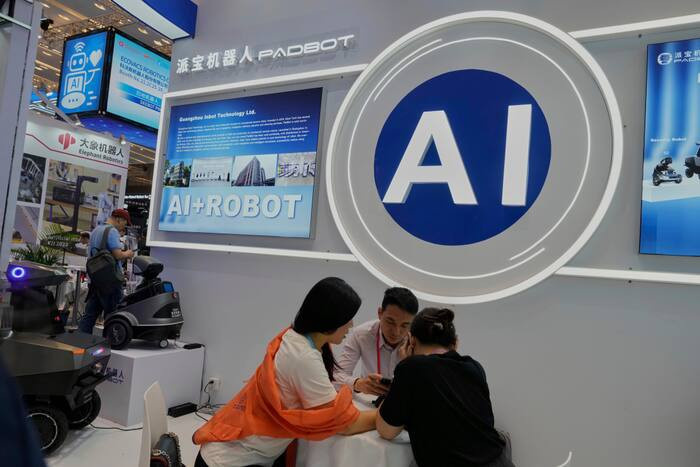
China's Ministry of Commerce and Ministry of Science and Technology recently published a draft proposing export restrictions on 40 technologies, including artificial intelligence (AI), semiconductors, solar power, and biomedicine. This proposal emerges as the United States and China report progress in dialogues concerning AI safety and governance, including establishing a notification mechanism for AI incidents that may threaten national security.
The draft outlines that 23 AI technologies are included, ranging from advanced large models to agents. Specifically, exports of core AI technologies trained on sensitive national data would be prohibited. Additionally, AI models with parameter counts of 2 trillion or more, or those designed for highly sensitive environments, such as national defense, could face restrictions. Notably, while specific models are not named in the proposal, Chinese models like Moonshot's Kimi K3 and Alibaba's Qwen 3.8-Max reportedly exceed the 2 trillion parameter threshold and are considered advanced in their capabilities.
Common Sense Shop
The United States of Common Sense
Amazon shopping links. Sponsor Complete!
The proposal also includes 12 solar power-related technologies, particularly those involved in polysilicon production, and five biomedicine technologies, including cell and gene therapy. A spokesperson for the Commerce Ministry stated that these measures are necessary for national security, aimed at preventing the misuse of AI technologies that could threaten critical infrastructure and government systems.
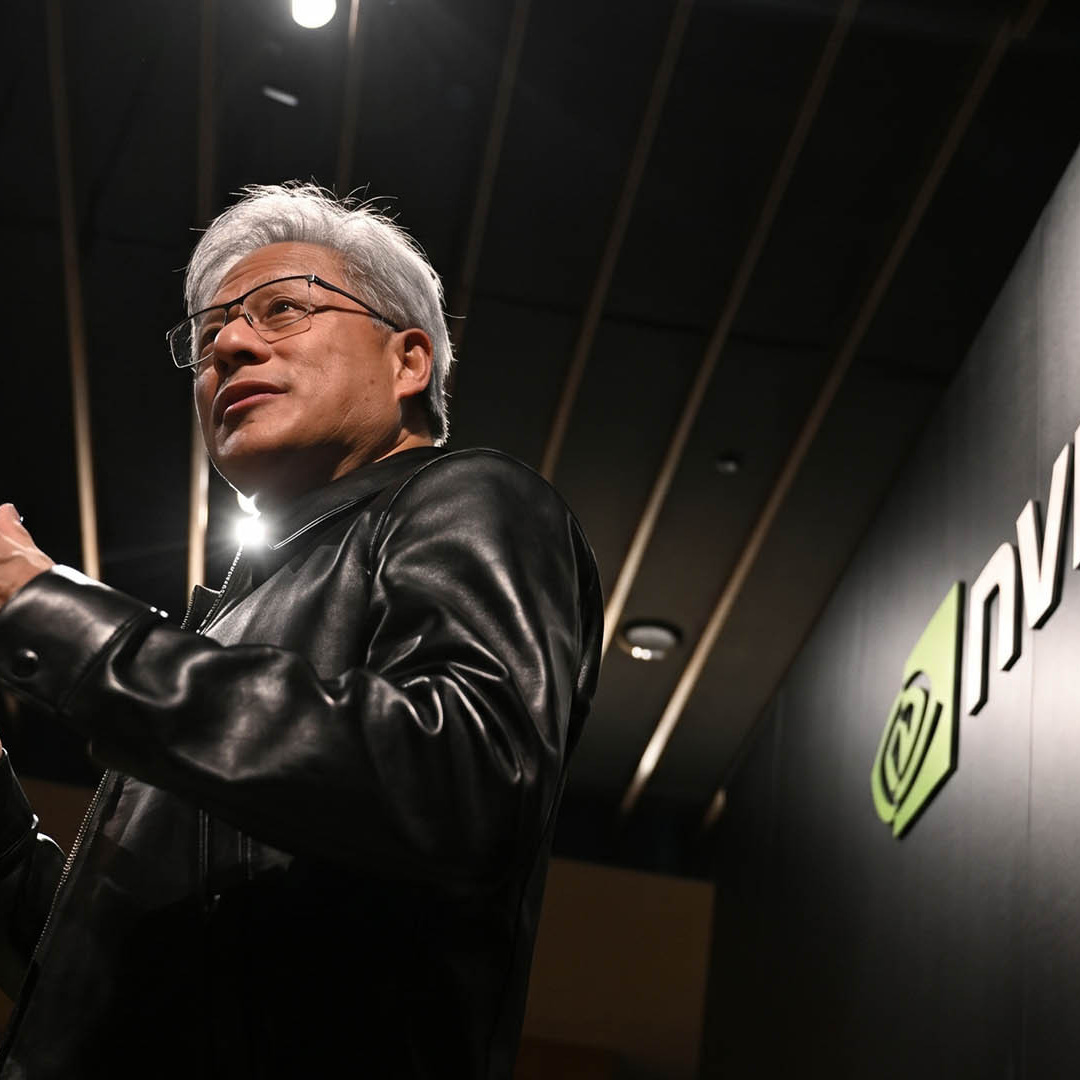
China's approach to regulating access to its technologies reflects a response to Western nations imposing similar restrictions. The U.S. has previously restricted exports of advanced technologies to China, including AI chips and semiconductor manufacturing equipment. In May 2026, the U.S. Department of Commerce updated its guidance to limit Nvidia's sales of advanced AI chips to China, targeting the company's most sophisticated processors. This tit-for-tat dynamic highlights the escalating technology competition between the two nations.
China's Strategic Response to Western Restrictions
Lian Jye Su, a chief analyst at Omdia, views China's proposal as a reaction to Western countries enforcing sovereignty requirements on critical technologies. The increasing strategic importance of AI for both China and the U.S. is evident, as both countries seek to control the flow of advanced technologies across their borders. The U.S. has already imposed bans on various technologies, while China's previous restrictions on critical materials like germanium and gallium signal a broader strategy to safeguard its technological advancements.
The Common Sense Test
The draft proposal is currently open for public comment, although a timeline for final adoption has not been disclosed. If enacted, these restrictions would formalize China's controls over AI and related technologies, further intensifying the ongoing competition with the U.S. The measures underscore the necessity for national security in an era where technology plays a pivotal role in global power dynamics.
As the draft proposal moves through the public comment phase, it raises significant questions about the future of technology transfer between nations. The implications of such restrictions could reshape the landscape of international trade and technology collaboration. The ongoing competition between the U.S. and China in advanced technologies serves as a reminder of the critical need for vigilance in protecting national interests while navigating the complexities of global commerce. The outcome of this proposal will likely have lasting effects on both economic and security fronts, making it essential for policymakers to consider the broader ramifications of these technological barriers.