Kharge Urges PM Modi to Convene All-Party Meeting on Delimitation Bill
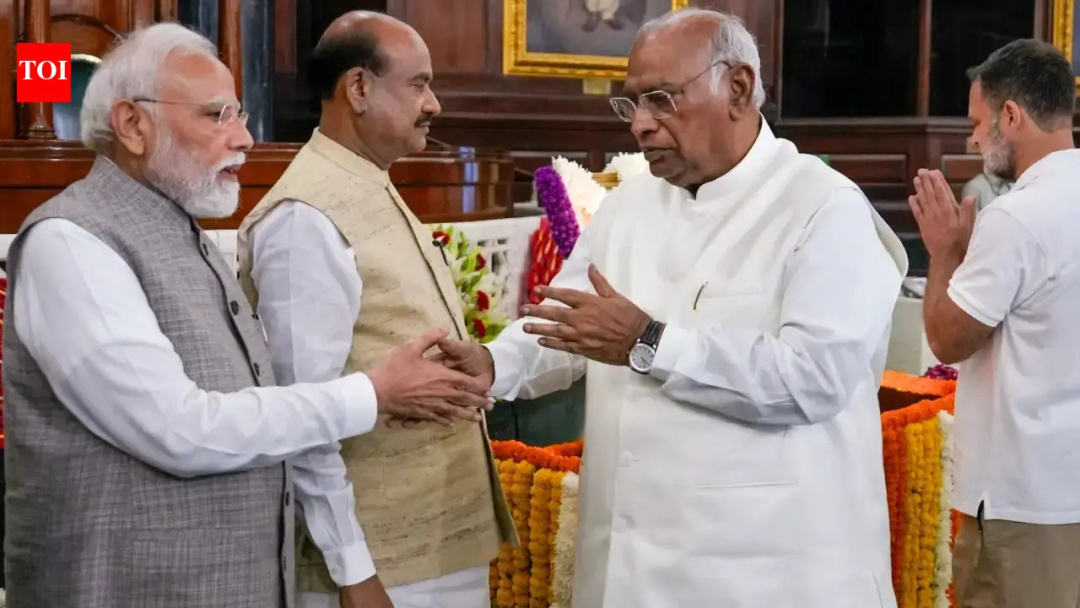
In a significant political move, Congress president Mallikarjun Kharge has reached out to Prime Minister Narendra Modi, urging him to convene an all-party meeting to deliberate on the contentious delimitation bill. This request comes as the government is rumored to be planning a special session of Parliament to expedite the passage of this important legislation. Kharge emphasized that any far-reaching changes, particularly those concerning delimitation, must be thoroughly discussed prior to being presented for parliamentary approval.
Kharge pointed out that it has been 64 days since the conclusion of the monsoon session on August 13, yet neither the Lok Sabha nor the Rajya Sabha have been prorogued, a situation he described as "unprecedented." He expressed concern that rushing such significant legislation without adequate consultation could lead to adverse consequences, as was seen previously when the delimitation bill failed to secure the necessary two-thirds majority in Parliament.
Common Sense Shop
The United States of Common Sense
Amazon shopping links. Sponsor Complete!
This marks Kharge's fourth appeal for an all-party meeting regarding this issue, with previous requests made on April 11, July 16, and August 27. He highlighted the importance of allowing all political parties sufficient time to engage in discussions about the government's proposals, stressing that a collaborative approach is essential for any constitutional amendment.
Kharge's letter to Modi reflects a growing sentiment among opposition leaders that the government should not attempt to push through significant legislative changes without consensus. He cautioned against the potential pitfalls of a unilateral approach, reminding the Prime Minister of the previous legislative failure and the backlash it generated.
Importance of Inclusivity in Legislation
The call for an all-party meeting underscores the necessity of transparency and inclusivity in the legislative process, particularly on matters that have far-reaching implications for the political landscape. As the political climate heats up, the outcome of this request could set a precedent for how future legislation is approached in a divided Parliament.
The Common Sense Test
In light of Kharge's appeal, the importance of bipartisan dialogue cannot be overstated. Engaging all parties in discussions about the delimitation bill not only fosters a sense of unity but also ensures that diverse perspectives are considered. This approach aligns with the principles of democracy, where every voice matters and collaboration is key to effective governance. As the government contemplates its next steps, it must weigh the benefits of cooperation against the risks of further alienating opposition parties.
Ultimately, the question remains whether the government will heed Kharge's call for an all-party meeting or proceed with its plans unilaterally. The implications of this decision could resonate throughout the political spectrum, affecting not only the current legislative agenda but also the broader relationship between the ruling party and its opposition. As citizens watch closely, the expectation for responsible governance and accountability remains paramount, reinforcing the idea that effective legislation should emerge from consensus rather than coercion.