Amy Acton's Gubernatorial Race Complicated by Mother's Attack Ad
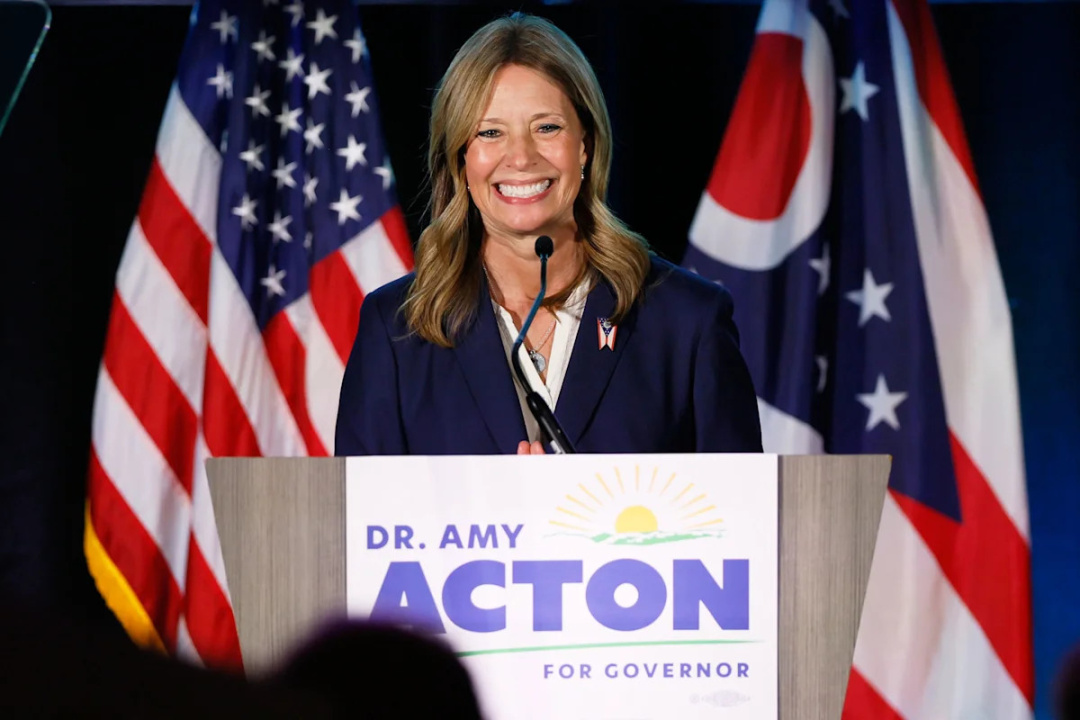
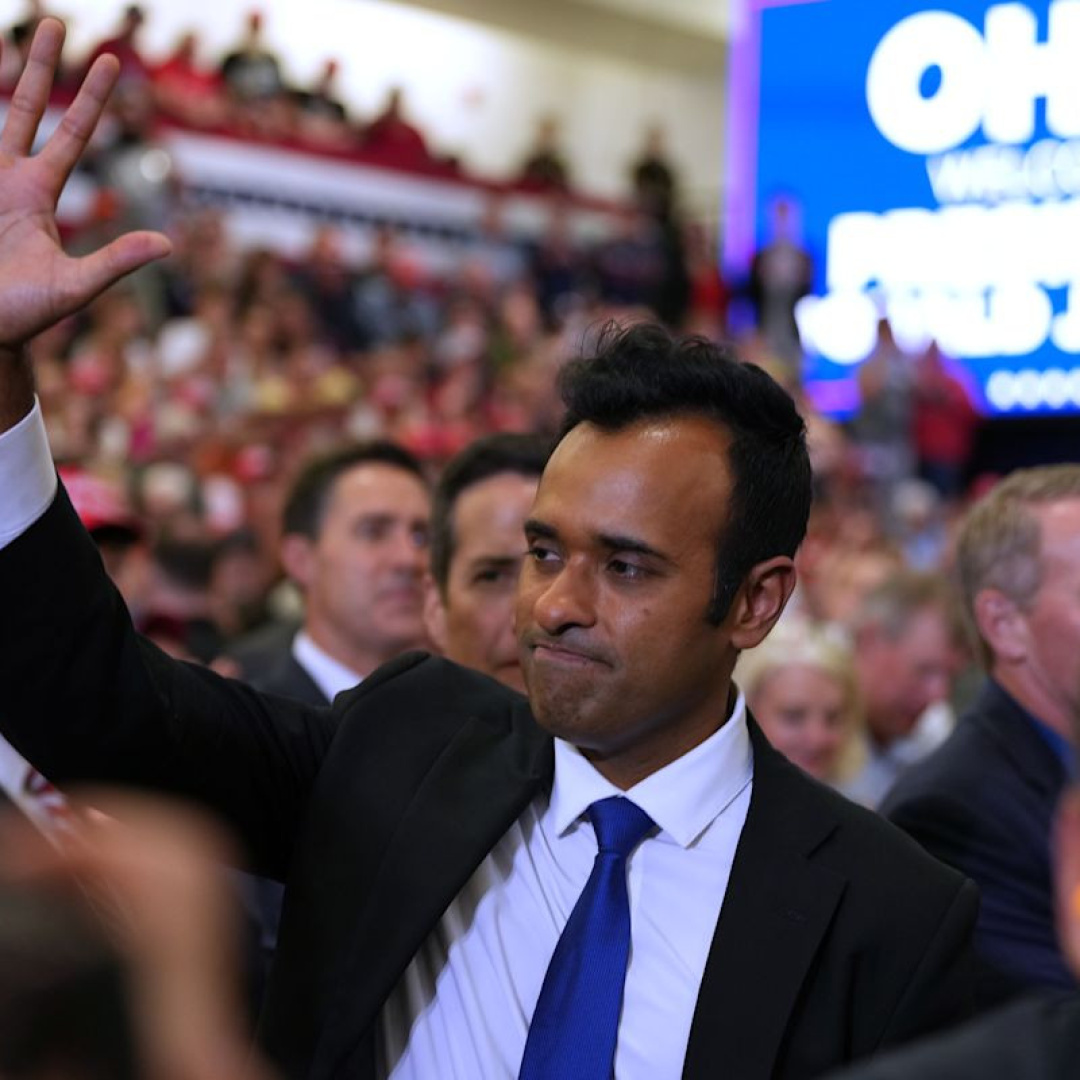
A new campaign ad featuring the estranged mother of Ohio gubernatorial candidate Amy Acton has added a significant layer of controversy to what is already one of the most closely watched races of the midterms. Acton, a Democrat, is vying to replace outgoing Republican Governor Mike DeWine and is facing off against Republican Vivek Ramaswamy, a billionaire who previously ran an unsuccessful presidential campaign in 2024.
In the ad, Acton's mother, Donna Arthur, labels her daughter a "liar" and implores Ohioans not to support her. "Don't let her become your governor," Arthur states. "If you think she'll make your life better, you're fooling yourself. It will only get worse."
Common Sense Shop
The United States of Common Sense
Amazon shopping links. Sponsor Complete!
As the ad circulated on social media, Acton's brother released a statement accusing Arthur of siding with their stepfather, who was charged with sexually abusing Acton during her childhood. He criticized Ramaswamy for using that abuse as a "political talking point." Ramaswamy defended the ad, asserting that Acton's past deserves scrutiny. His campaign confirmed a $4 million investment to air the ad statewide.
The controversy has drawn mixed reactions within the Republican Party. Ohio Senator Jon Husted, who is in a tight reelection race, stated he personally would not have run the ad. Conversely, Vice President JD Vance, a former senator, suggested that Republicans who disapprove of the ad should remember that politics is a "tough business."
Once a key swing state, Ohio has shifted towards the Republican side in recent years. Four years ago, DeWine won reelection by a significant margin. However, current polling indicates that Acton may have a chance to disrupt the GOP's long-standing control of the Ohio Statehouse.
Acton has openly discussed her difficult childhood in Youngstown, Ohio, during the 1970s, where she faced abuse and neglect. On her campaign website, she recounts overcoming significant hardships, including living in a tent during winter. In 2019, she revealed that she had been sexually assaulted by her stepfather, Cledith Arthur, between the ages of 9 and 12. After her biological father reported the abuse in 1978, Arthur was arrested, but he and Acton's mother left the state before he could face trial.
Acton's Complex Relationship with Her Mother
The estrangement between Acton and her mother has persisted since a court hearing nearly 50 years ago, where Acton testified against her stepfather. Acton has stated that their last interaction was when her mother turned away from her after she attempted to give her a kiss in the courthouse.
Acton later found stability living with her father, excelling academically, and eventually earning a medical degree. She served as the director of the Ohio Department of Health during the COVID-19 pandemic, where she gained national attention for her public health briefings. However, she resigned amid pressure from the Republican-led state legislature to roll back COVID restrictions.
In her gubernatorial campaign, Acton positions herself as a moderate Democrat in a conservative state, focusing on affordability and various policy proposals. These include lowering healthcare costs, combating fraud, and investing in public safety and education. Notably, she has faced backlash from progressive Democrats for her stance on transgender athletes in sports, yet she has also expressed support for Ohio's voter ID requirements.
The Common Sense Test
Polling data shows fluctuating support for Acton as Election Day approaches, with some polls indicating a lead over Ramaswamy, while others show him ahead. The Cook Political Report and the Center for Politics have categorized the race as a toss-up. The recent ad controversy involving Acton's mother has yet to be reflected in polling data, leaving uncertainty about its potential impact on voter sentiment.
As the election nears, the implications of familial controversies on political campaigns cannot be understated. Acton's ability to navigate this personal conflict while presenting her policy platform will be crucial in determining her success against Ramaswamy. The Ohio gubernatorial race is not just about party lines but also about how personal histories shape public perception and political viability.