US Orders Diplomatic Evacuation Following Deadly Airport Attack in Saudi Arabia
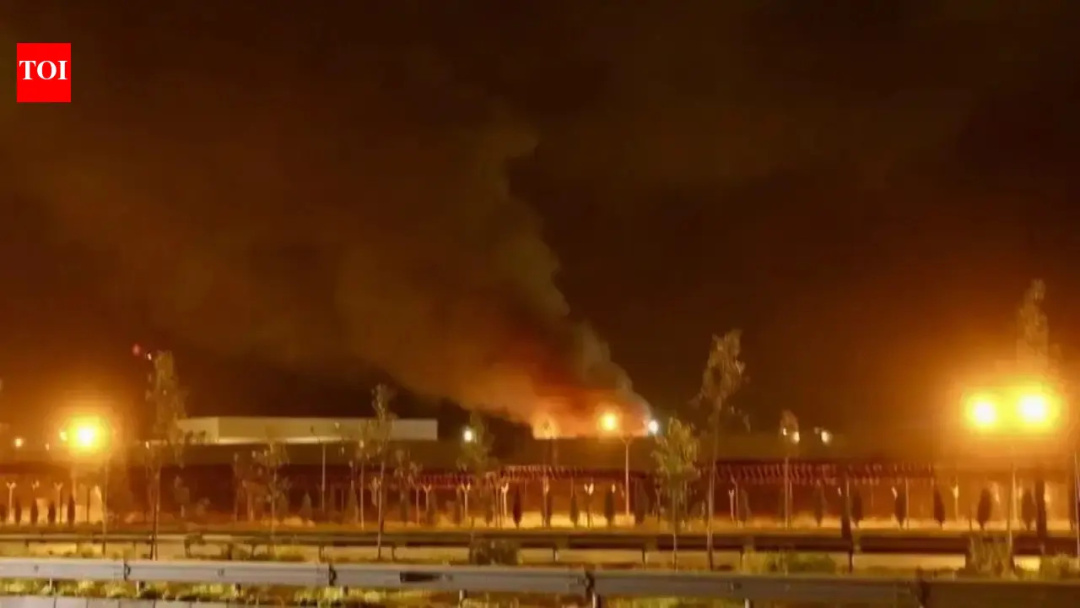
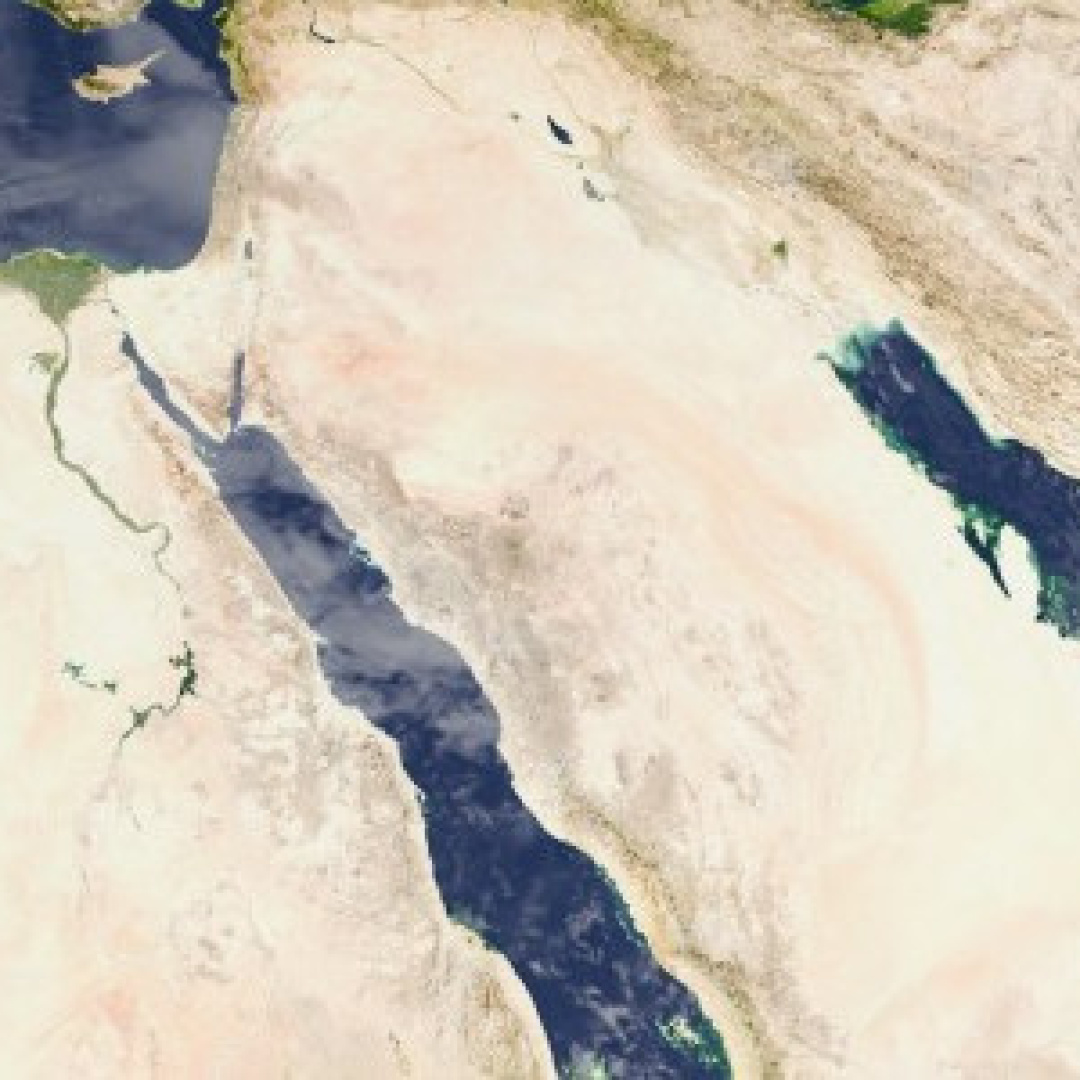
A Saudi resident was killed and eight others injured in an attack on King Fahd International Airport in Dammam, eastern Saudi Arabia, late Wednesday. The incident, which caused material damage to the airport, was reported by the country’s Civil Aviation Authority. Following the attack, aircraft were diverted away from the airport, according to Flightradar24, a global flight-tracking service. Saudi authorities have yet to identify those responsible for the attack, nor have the Iranian-backed Houthi rebels in Yemen commented on the incident.
This attack is part of a broader pattern of violence targeting Saudi Arabia, including strikes on airports, shipping routes, and energy infrastructure. The Saudi-led coalition has reported intercepting multiple drone attacks in the eastern region of the kingdom. King Fahd International Airport has been a previous target during waves of Houthi missile and projectile attacks on major Saudi airports.
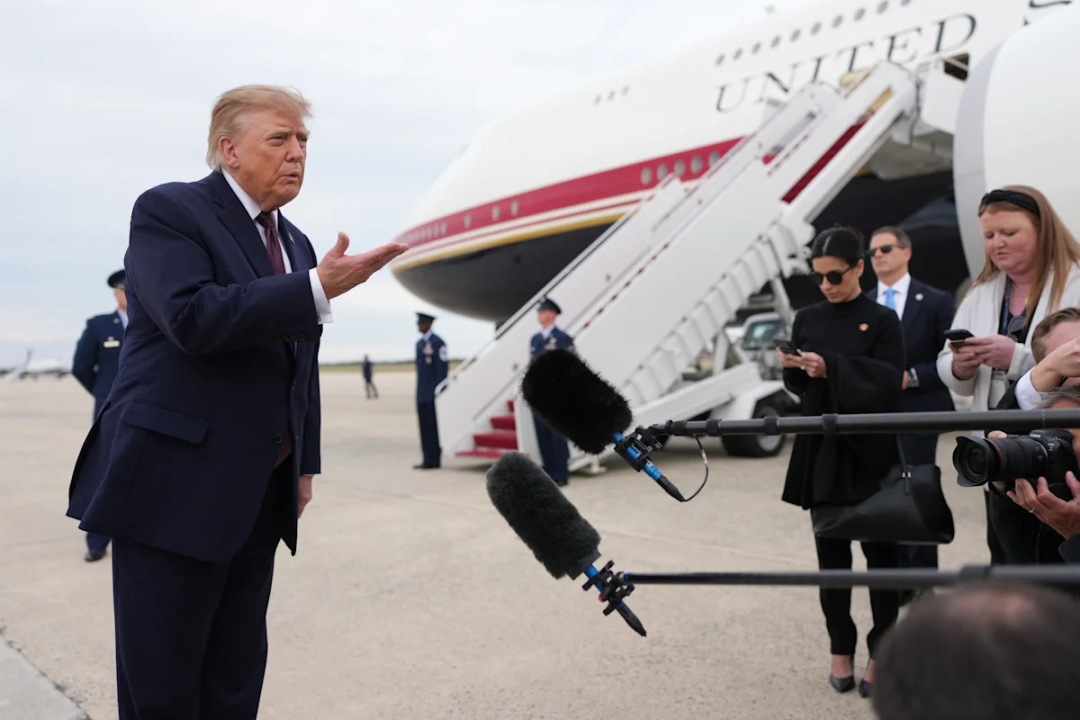
In a related development, the United States ordered some of its diplomats and family members to evacuate Saudi Arabia late Wednesday. This decision was made in light of the recent surge in attacks attributed to the Houthi rebels, raising concerns about the potential escalation of conflict in the region. The U.S. government’s precautionary measures highlight the increasing risks to American personnel amid the ongoing violence.
The latest violence underscores the precarious security situation in Saudi Arabia, particularly concerning its critical infrastructure, including oil facilities and transport hubs. Just last month, debris from an intercepted Houthi drone resulted in the death of a Yemeni resident in Saudi Arabia, marking the first civilian death reported since the rebels intensified their attacks against the kingdom.
Recent Attacks on Saudi Oil Infrastructure
Earlier in October, a limited fire broke out at an administrative building at Aramco, one of the world’s largest oil facilities, following an attack in Saudi Arabia's Eastern Province. Such incidents not only threaten the safety of civilians but also jeopardize the stability of the region's energy supply, which is vital for global markets.
The Common Sense Test
As the situation develops, the implications for U.S. foreign policy and military strategy in the Middle East become increasingly significant. The U.S. must navigate these complex dynamics carefully, balancing the need for diplomatic engagement with the realities of a volatile security environment. The recent attacks and the evacuation order reflect a critical moment in U.S.-Saudi relations, where the safety of American personnel is paramount, yet the broader geopolitical stakes are equally high.
In light of these developments, it is crucial for policymakers to reassess their strategies in the region. The ongoing threat posed by the Houthi rebels, bolstered by Iranian support, necessitates a robust response that prioritizes both security and diplomatic channels. As the U.S. continues to monitor the situation, the focus must remain on protecting American lives while addressing the underlying issues that fuel such conflicts. The question remains: how will the U.S. adapt its approach to ensure both safety and stability in a region fraught with danger?