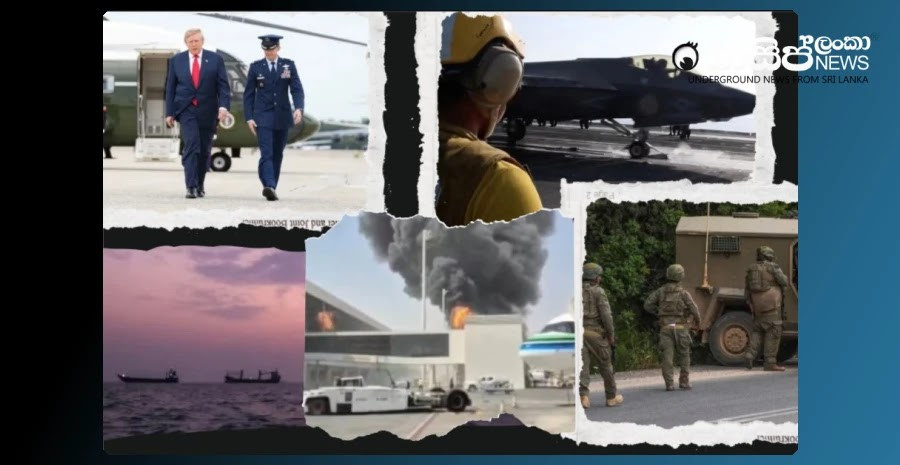
Oil Prices Decline Amid Diplomatic Efforts and U.S. Military Threats

Crude oil prices have taken a downward turn today, influenced by reports of renewed diplomatic efforts to foster peace in the Middle East. Officials from Saudi Arabia, Turkey, and Pakistan are currently in Tehran, discussing the potential for an end to hostilities. As of the latest updates, Brent crude is priced at $114.85 per barrel, while West Texas Intermediate (WTI) stands at $100.87 per barrel. This marks a decrease from over $117 for Brent and more than $103 for WTI just last week, as traders react to the optimism surrounding peace talks and engage in profit-taking.
Despite the hopeful diplomatic developments, the market remains sensitive to ongoing threats. Continued Houthi attacks on Saudi energy infrastructure and Iranian strikes on tankers in the strategically vital Strait of Hormuz are keeping upward pressure on prices. "Crude oil prices are witnessing profit-taking after surging to multi-month highs, as renewed diplomatic efforts in West Asia have raised hopes of a potential breakthrough in negotiations between the U.S. and Iran," noted Sugandha Sachdeva, founder of SS WealthStreet and an energy analyst, as reported by Reuters.
Common Sense Shop
The United States of Common Sense
Amazon shopping links. Sponsor Complete!
However, these diplomatic overtures are tempered by a CNN report indicating that U.S. forces in the Middle East could launch an attack on Iran within 96 hours of an order from President Trump. This escalation threat looms large, as the president hinted last week that he might favor military action over negotiation.
The Common Sense Test
Iran's president, who hosted the high-ranking delegations from Saudi Arabia, Turkey, and Pakistan, has called for unity among Islamic nations to act as a cohesive force against perceived threats. This call for solidarity may prove challenging, given that many Gulf states are aligned with U.S. interests and have been targets of Iranian aggression earlier this year.
Overall, the prospect of a peace deal remains bleak, prompting the International Energy Agency to caution that the global energy supply disruptions caused by the ongoing conflict are likely to extend into the next year. The interplay between diplomatic efforts and military threats continues to create a volatile environment for oil prices, leaving many to wonder what the future holds for energy markets amid such uncertainty.