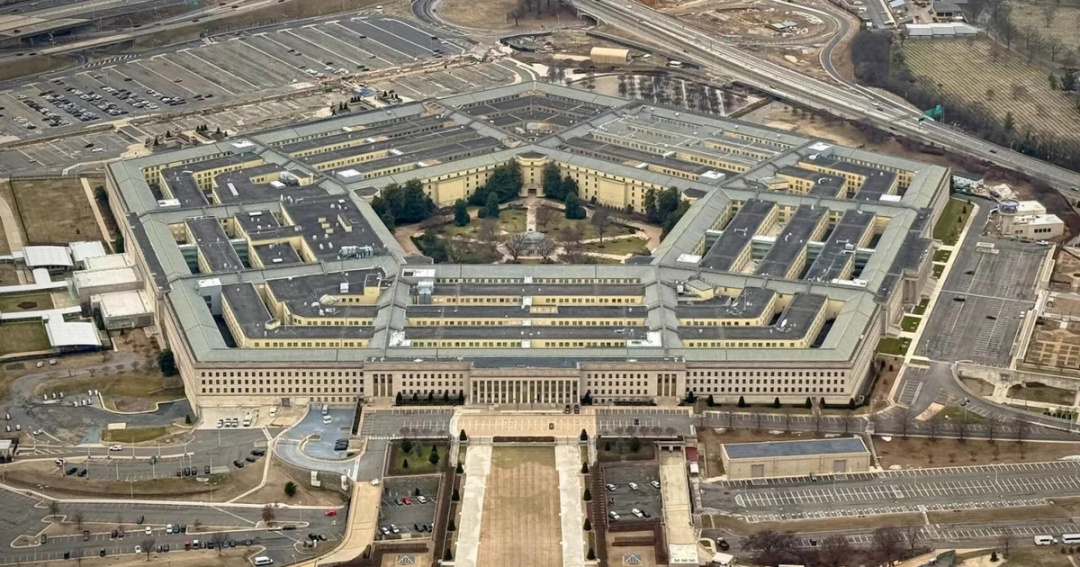
Pentagon's FORTRESS Plan Prepares Military for Power Grid Collapse
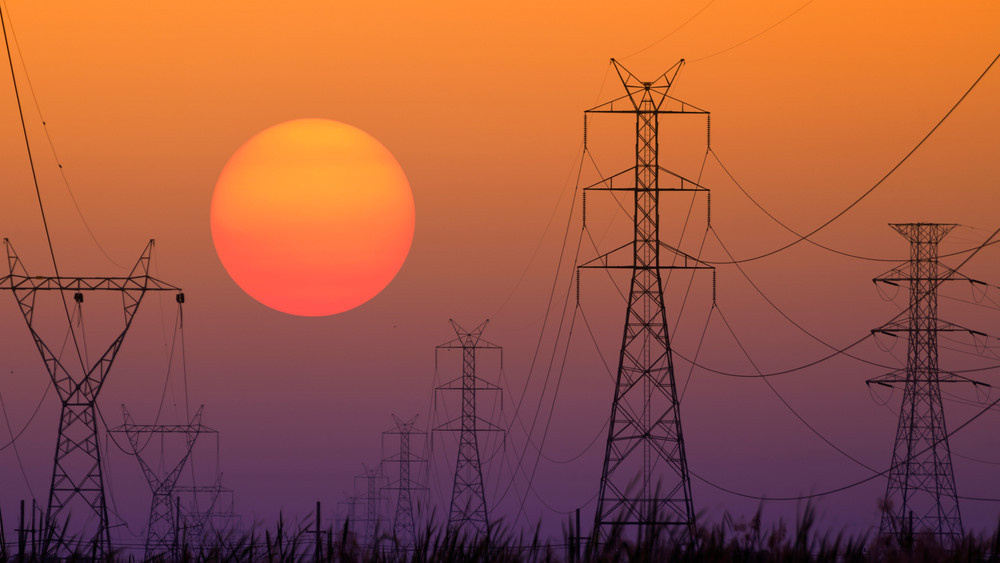
The Department of Defense is taking significant steps to prepare for a potential "doomsday" scenario where America's power grid collapses, supply chains are disrupted, and military bases must function for up to three months without outside support. This unprecedented initiative, known as the FORTRESS plan, aims to enhance the operational independence of major military installations across the continental United States.
According to documents obtained by Fox News, the Pentagon is exploring various solutions, including portable nuclear reactors, large battery systems, and independent microgrids. These measures would enable military bases to detach from civilian power infrastructures during extended blackouts, a situation that could severely impact communications, logistics, and military command structures.
Common Sense Shop
The United States of Common Sense
Amazon shopping links. Sponsor Complete!
Sean Parnell, a spokesperson for the Department of Defense, emphasized the necessity of this plan, stating, "We don't want to rely on standard civilian municipal infrastructure to run our national defense. We just simply can't. It's an intolerable risk." This statement underscores a growing recognition of vulnerabilities in the current infrastructure that could be exploited by adversaries.
The FORTRESS plan also includes stockpiling critical resources such as ammunition, fuel, essential minerals, electronics, spare parts, and medical supplies. Additionally, the Pentagon is preparing civilian factories to switch to wartime production rapidly. This proactive approach aims to mitigate the risks posed by both foreign adversaries and domestic threats, particularly in light of recent cyberattacks and physical assaults on critical infrastructure.
In February 2024, the NSA and other federal agencies alerted that Chinese state-sponsored hackers had compromised vital U.S. infrastructure networks, including energy and communications systems. Similarly, a December 2022 attack on two electrical substations in North Carolina left thousands without power for days, highlighting the real and present dangers to the nation's grid.
Strategic Preparedness for Future Conflicts
Parnell noted that the traditional mindset of relying on geographical advantages for homeland defense is outdated. He referenced former President Trump's efforts to shift defense strategies, emphasizing that the next conflict may involve multiple fronts. "You don't want to be making these decisions in the middle of a global multi-front conflict. We have to have a plan," he stated, reflecting a shift in military strategy towards greater self-sufficiency and readiness.
As the Pentagon moves forward with the FORTRESS initiative, it is clear that the need for a robust defense strategy is paramount. The ongoing threats to America's power grid necessitate a comprehensive approach to national security that includes not only military readiness but also resilience against potential disruptions. The implications of this plan extend beyond military installations, as it highlights the critical importance of securing the nation's infrastructure against both foreign and domestic threats.
The Common Sense Test
In conclusion, the FORTRESS plan represents a significant step towards ensuring that the U.S. military can maintain its operational capabilities in the face of potential crises. By investing in independent power sources and stockpiling essential supplies, the Pentagon is taking necessary precautions to safeguard national security. As global tensions rise and threats evolve, the emphasis on self-sufficiency and preparedness will be crucial for maintaining the integrity of the U.S. defense apparatus.