FBI Investigation into Oakland Corruption Fueled by 911 Calls
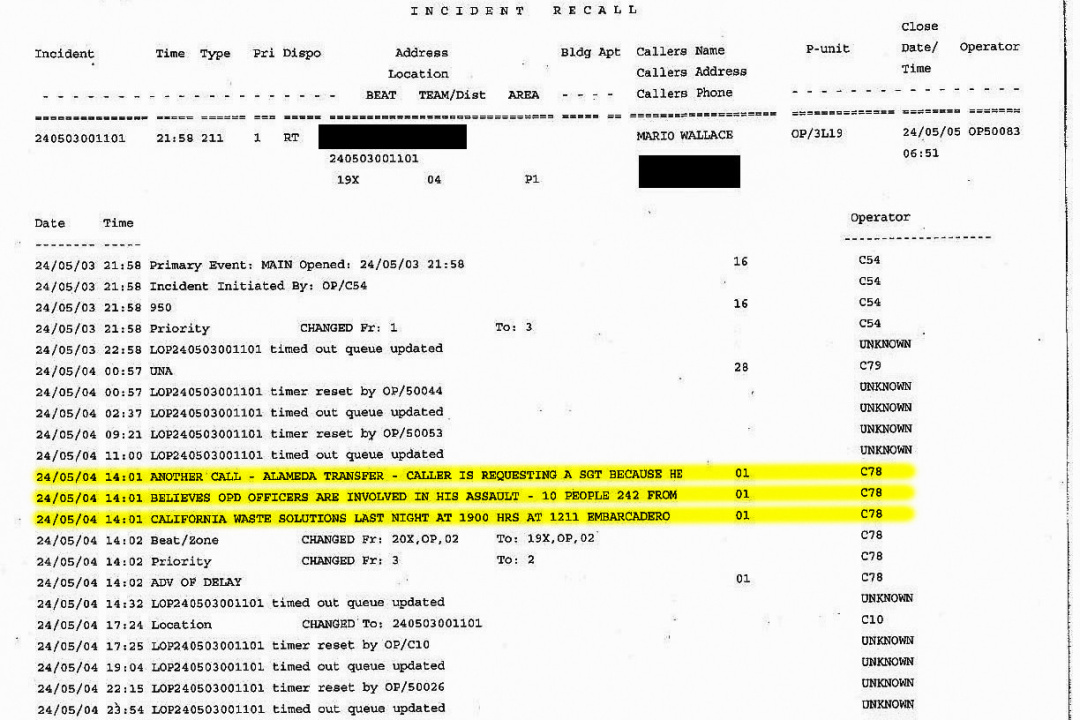
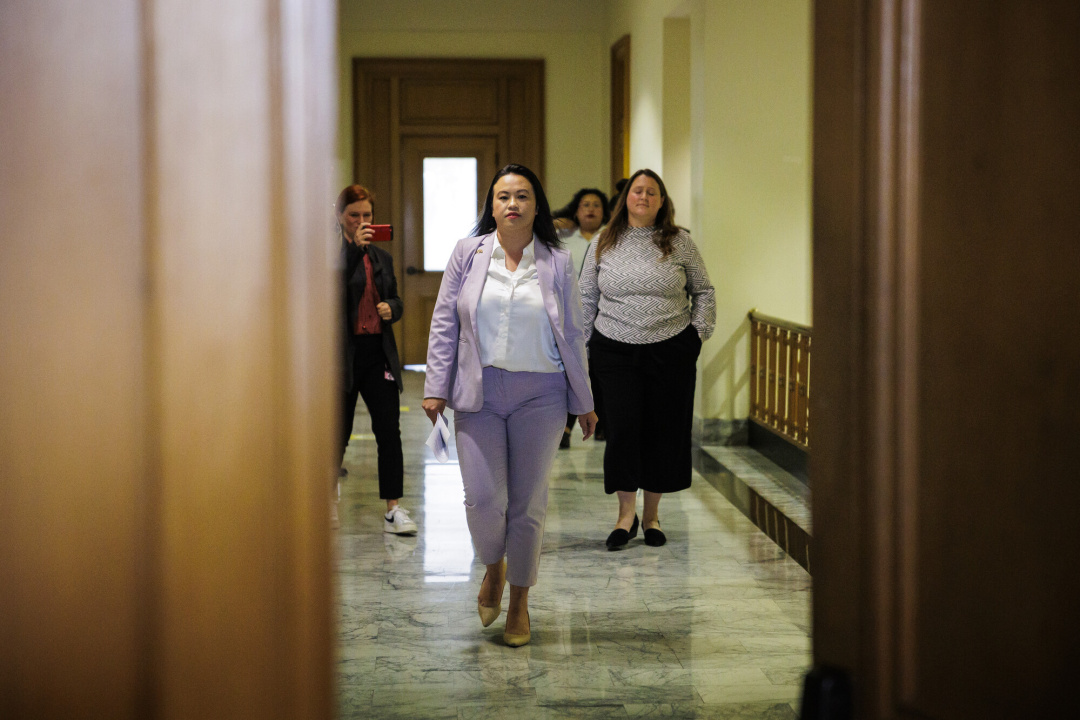
In May 2024, two 911 calls made by businessman Mario Juarez brought to light serious allegations that would significantly impact an ongoing federal corruption investigation involving former Oakland Mayor Sheng Thao. Juarez reported being assaulted at the offices of California Waste Solutions, the city’s recycling contractor, claiming that a group of ten men had attacked him, allegedly organized by the company’s owners. His calls to the police hinted at a broader issue of racketeering and possible police involvement.
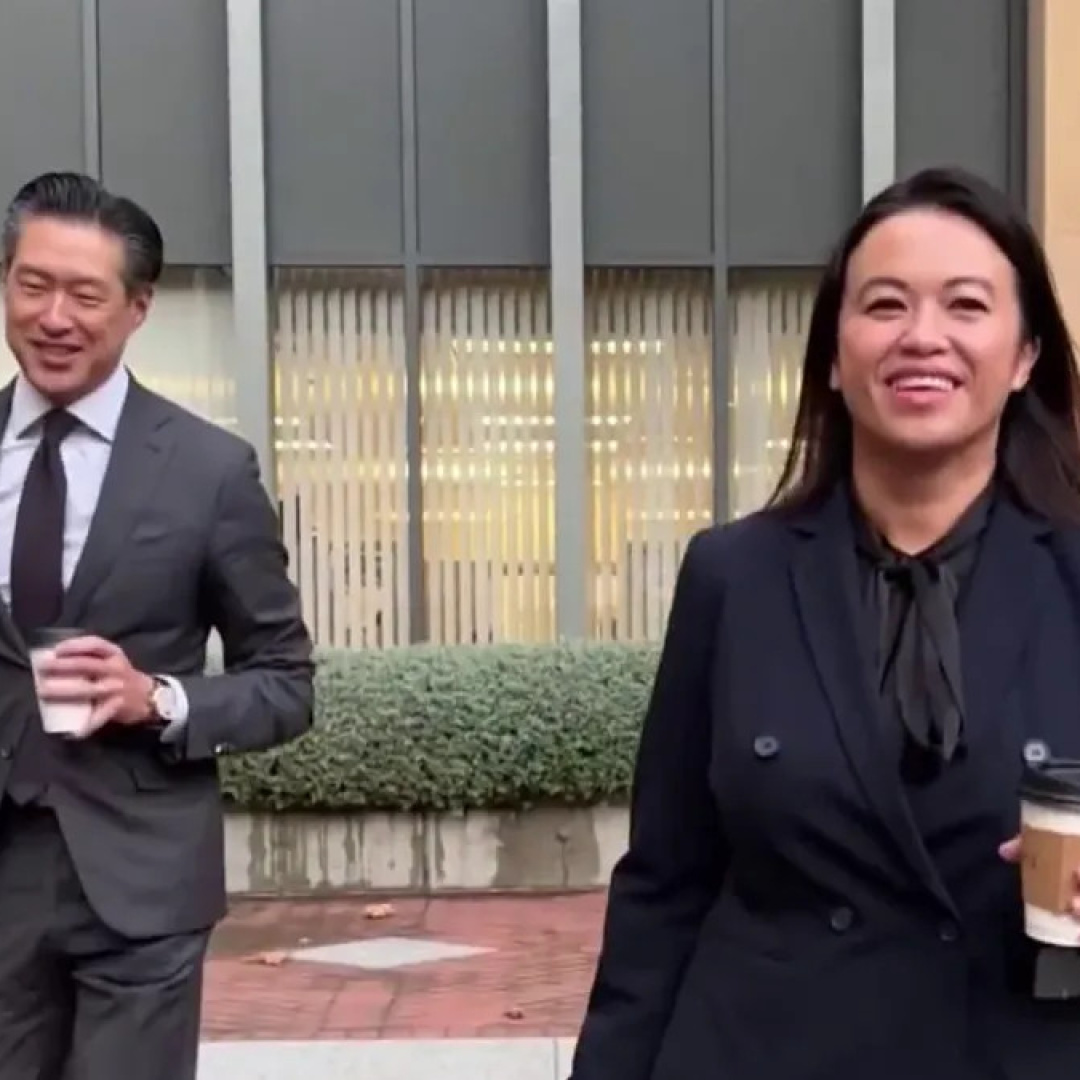
According to FBI Special Agent Katherine Barclay, Juarez's claims prompted the agency to take action, ultimately leading to the indictment of Thao and three others on charges including bribery and conspiracy. The allegations suggest a pay-to-play scheme where preferential treatment was promised to the Duong family, owners of California Waste Solutions, in exchange for political favors.
Common Sense Shop
The United States of Common Sense
Amazon shopping links. Sponsor Complete!
The investigation gained momentum after Juarez's allegations were brought to the FBI's attention by the Oakland Police Department. The FBI acted quickly, fearing that the Duongs might destroy evidence if they learned of Juarez's cooperation. Following his initial 911 call, Juarez became a cooperating witness and eventually pleaded guilty to his involvement in the alleged corruption scheme.
The U.S. Attorney’s Office subsequently issued subpoenas for internal records from the Oakland Police Department, seeking documentation related to the Duong family and the ongoing investigation. While the police department has stated that it takes allegations of misconduct seriously, it has not disclosed whether any officers have faced disciplinary actions.
Defense attorneys for the Duongs have challenged Juarez's credibility, citing his history of legal troubles and previous fraud allegations. They argue that Juarez has a pattern of making accusations against others to deflect blame from his own actions. This raises questions about the reliability of his statements and the motivations behind his claims.
Escalating Conflicts and 911 Calls
Tensions between Juarez and the Duongs escalated prior to the 911 calls, stemming from a business partnership that soured. Juarez had allegedly failed to deliver on a project involving shipping container homes, leading to disputes over financial investments. Prosecutors allege that Juarez threatened to involve law enforcement as their relationship deteriorated.
The day of the first 911 call marked a significant turning point, with Juarez confronting the Duongs over money he claimed they owed him. This confrontation reportedly led to the assault he later reported to the police. Juarez's claims of organized crime and corruption within the Oakland Police Department add a layer of complexity to the investigation, as he alleged that the Duongs had substantial influence over local law enforcement.
The Common Sense Test
As the trial progresses, the credibility of witnesses and the evidence presented will be crucial in determining the outcome of the case against Thao and the Duongs. The unfolding events highlight the intricate connections between local business interests and political power, raising important questions about accountability and transparency in government.
As the trial continues, it becomes increasingly clear that the allegations of corruption and misconduct are not just about individual actions but reflect a broader systemic issue within Oakland's political landscape. The implications of this case extend beyond the courtroom, challenging the integrity of public officials and the trust of the community they serve. It is essential for citizens to demand accountability and transparency from their leaders to ensure that such corruption does not go unchecked. The outcome of this trial could set a precedent for future investigations into public corruption and the relationships between government and private interests.