Congress Questions Delaware's AI-Managed Company Proposal

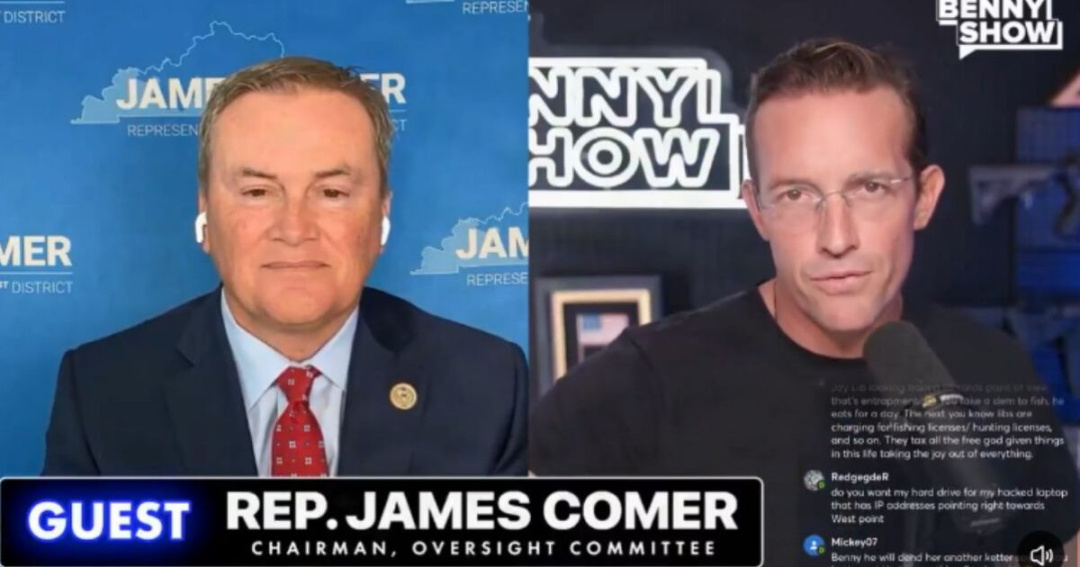
Delaware, known for its business-friendly environment, is venturing into uncharted territory by proposing the establishment of corporations managed by artificial intelligence. This innovative approach has drawn the attention of U.S. Rep. James Comer (R-Ky.), the Chairman of the House Committee on Oversight and Government Reform. In a letter addressed to Delaware Governor Matt Meyer, Comer expressed his apprehensions that permitting AI to operate companies may allow human owners to evade legal responsibility for the actions of these AI systems.
The implications of Delaware's proposal are significant, as the state serves as the primary incorporation hub for many American businesses. Any new corporate structure it creates could set a precedent that influences corporate law across the nation. Comer's letter, dated October 26, 2026, formally requests documentation regarding the proposal's potential risks and the individuals or groups involved in its development. The deadline for Delaware to respond is November 9.
Common Sense Shop
The United States of Common Sense
Amazon shopping links. Sponsor Complete!
The proposal introduces a new legal entity termed an Artificial Intelligence Company (AIC) or an agent-managed company (AMC), which would allow AI systems to autonomously handle business operations. Comer's concerns center on accountability, highlighting the risk that such a structure could insulate AI-run entities from the consequences of their actions, especially if those actions result in harm.
The draft legislation for this new corporate entity was completed in June 2026 and is anticipated to be presented to the Delaware General Assembly in 2027. While the framework is still subject to change, it includes several regulatory measures aimed at ensuring oversight. Notably, it proposes a 30-month regulatory sandbox to evaluate the performance of AI-managed operations and mandates transaction logging, creating a paper trail for every action taken by the AI on behalf of the company.
Concerns Over Liability and Accountability
However, the draft has faced criticism, particularly regarding its liability provisions. Critics, including legal scholars, have raised alarms that the protections offered to company owners may be overly lenient, calling for clearer guidelines to delineate where responsibility lies in the event of misconduct or negligence.
The roots of this proposal can be traced back to House Joint Resolution 7, signed into law on July 23, 2025, which initiated Delaware's broader efforts to innovate within corporate law. The state generates over $2 billion annually from corporate franchise fees, accounting for nearly a third of its budget, which underscores the urgency behind this initiative as Delaware faces growing competition from other states like Nevada and Texas, which are also vying for corporate registrations.
The Common Sense Test
As Delaware navigates this intersection of state innovation and federal oversight, the outcome of Comer's inquiry may set a critical precedent. Corporate law has traditionally been a state matter, and Delaware's approach to defining the legal status of AI in business operations could have far-reaching consequences. The upcoming November 9 deadline will be pivotal in determining whether Delaware will defend its proposal as it stands or make concessions in response to federal scrutiny.
Ultimately, the fate of Delaware's AI-managed company proposal will hinge on the balance between fostering innovation and ensuring accountability. As lawmakers prepare for the expected introduction of the AIC framework in 2027, the scrutiny from Congress may compel Delaware to reconsider its liability provisions and regulatory measures. The question remains: can the state maintain its competitive edge while ensuring that human accountability is not sacrificed at the altar of technological advancement?