Pentagon Reports Iran War Costs Surpass $47 Billion
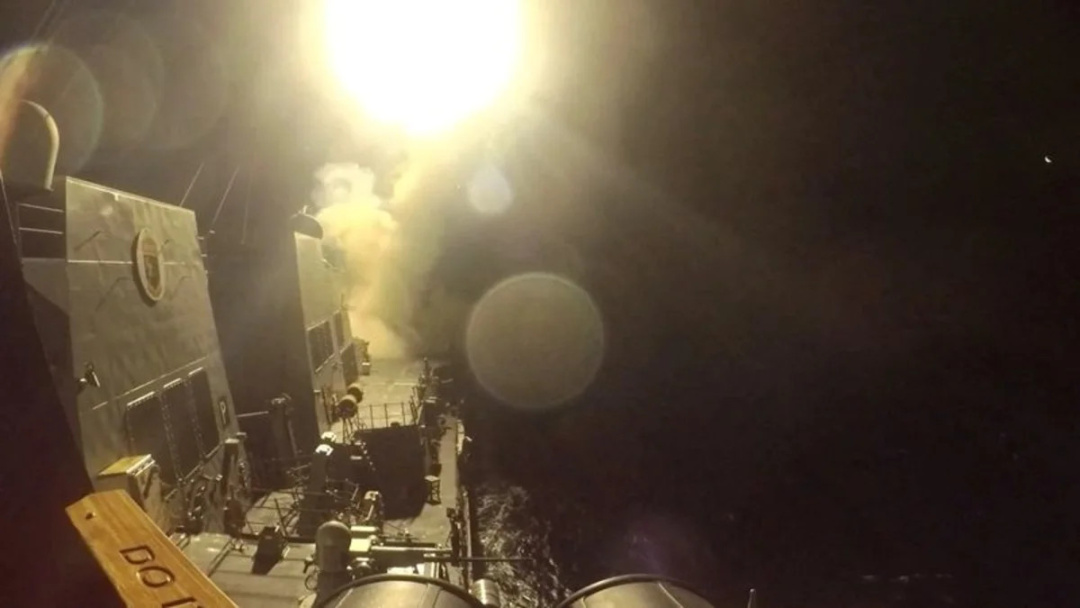
The Pentagon has revealed that the U.S. military has spent over $47 billion to conduct operations in the Iran war, a figure that is more than 25% higher than the Defense Department's previous estimate from July. This substantial increase raises questions about fiscal responsibility and the management of military resources at a time when the conflict is becoming increasingly unpopular among the American public.
As the November 3 elections approach, Republicans are grappling with the political fallout from the war, which has strained their standing with voters. The rising costs of the conflict have not only impacted military budgets but have also contributed to a decline in President Trump's approval ratings. The Republican Party currently holds a narrow majority in both chambers of Congress, making the implications of this war particularly critical for their electoral prospects.
Common Sense Shop
The United States of Common Sense
Amazon shopping links. Sponsor Complete!
The Pentagon's latest estimate indicates that more than $29 billion is projected to be spent on replacing munitions expended during the conflict. Additionally, over $6 billion is earmarked for replacing military equipment and addressing losses of platforms, including aircraft and drones. These figures underscore the financial burden of prolonged military engagement, raising concerns about the sustainability of such expenditures without clear strategic objectives.
Trump initiated the Iran war in February, alongside Israel, with the expectation that it would be a brief engagement. However, the situation has evolved, particularly following an April ceasefire that allowed Iran to fortify its defenses and recover some military capabilities. The U.S. response has included a naval blockade aimed at crippling Iran's oil revenue, while discussions about potentially resuming combat operations after the midterm elections have emerged among U.S. officials.
Rising Costs and Budgeting Concerns
The current Pentagon estimate of $47 billion stands in stark contrast to Defense Secretary Pete Hegseth's July projection of $37.5 billion for the war's costs. Notably, these figures encompass a variety of operational expenses, yet they do not adequately account for the extensive repairs needed for U.S. bases damaged by Iranian missile and drone attacks. This oversight raises further questions about the accuracy and transparency of military budgeting and its implications for U.S. foreign policy.
As the political landscape shifts and the costs of the Iran war continue to climb, it remains to be seen how Republican leaders will address these challenges in the lead-up to the elections. The need for a coherent strategy that balances military engagement with fiscal responsibility is paramount, as voters increasingly scrutinize the implications of ongoing military conflicts on domestic issues and national priorities.
The Common Sense Test
The rising costs associated with the Iran war are not just a financial issue; they represent a significant political challenge for the Republican Party. As candidates prepare for the elections, they must navigate the complexities of public sentiment regarding military engagement and its impact on domestic policy. The ability to articulate a clear and responsible approach to military spending will be crucial for maintaining voter support and ensuring that the party's platform resonates with the electorate's concerns about fiscal responsibility and strategic military objectives.
Ultimately, the situation surrounding the Iran war and its escalating costs presents a stark reminder of the need for accountability in government spending. As the Pentagon continues to adjust its estimates and the political ramifications unfold, it is essential for lawmakers to prioritize transparency and responsibility in military expenditures. Voters deserve to understand how their tax dollars are being spent and what the long-term implications of such military engagements will be for both national security and domestic priorities.