Midterm Elections: Key Scenarios and Their Impact on Trump's Presidency
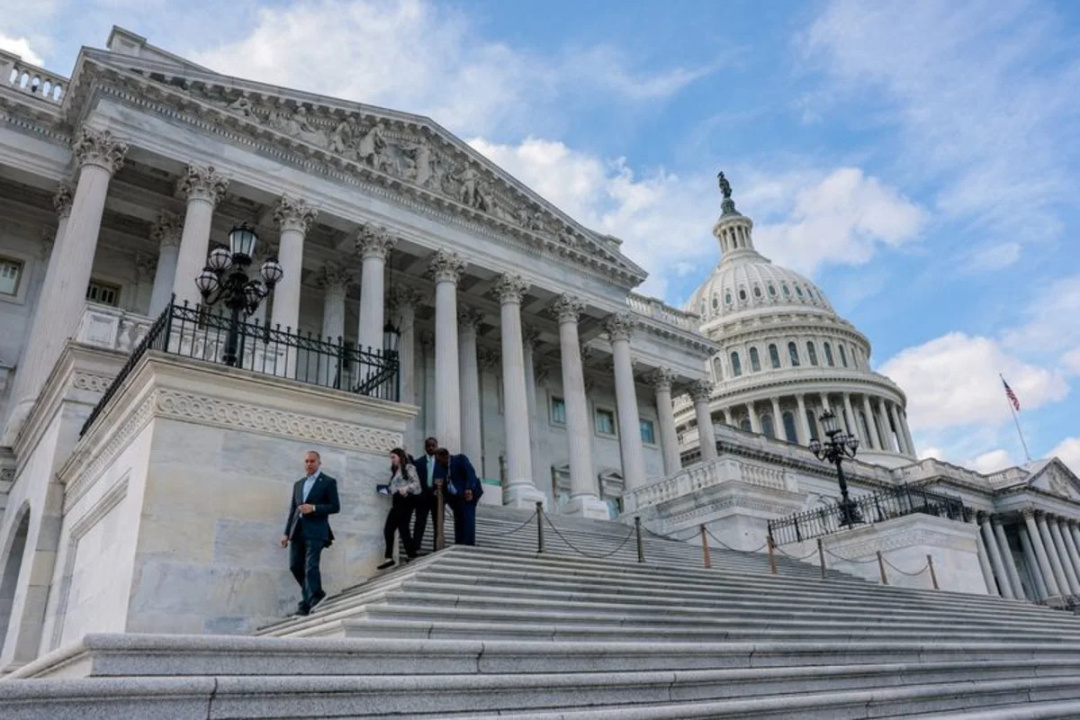
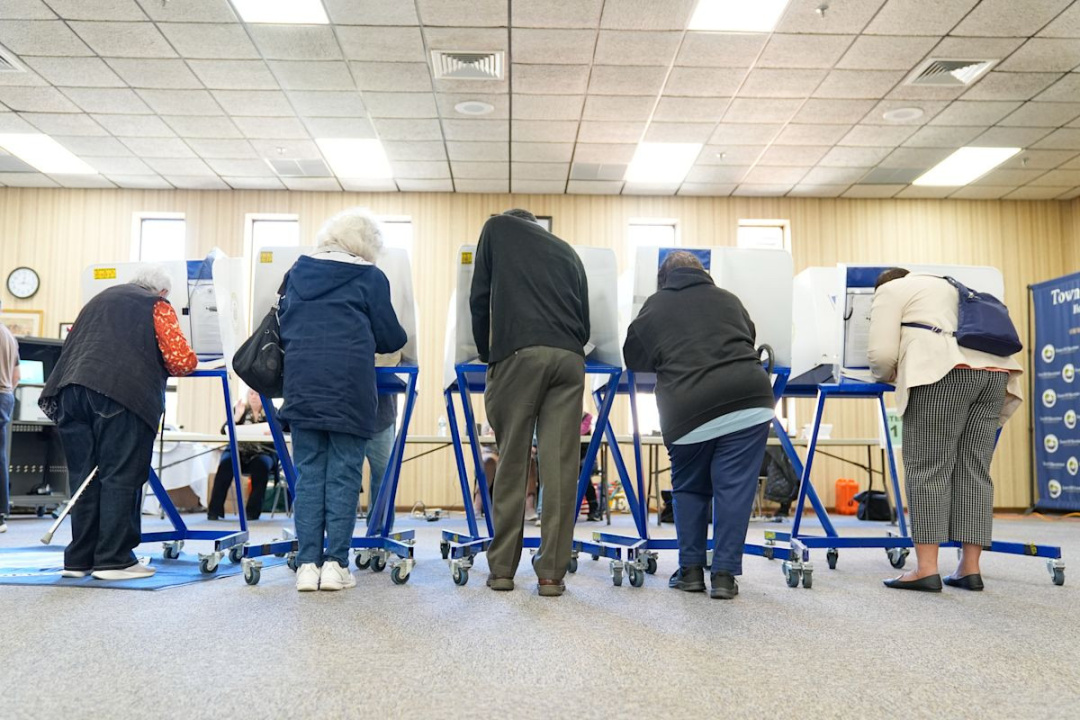
As Americans gear up to cast their votes on November 3, the midterm elections are set to play a crucial role in determining who will control Congress during the last two years of President Trump's term. Democrats are aiming for a net gain of four seats in both the House of Representatives and the Senate to overturn the narrow Republican majorities of 218-214 and 53-47, respectively. Current opinion polls suggest that Democrats have a favorable chance of winning the House, while the Senate remains a toss-up.
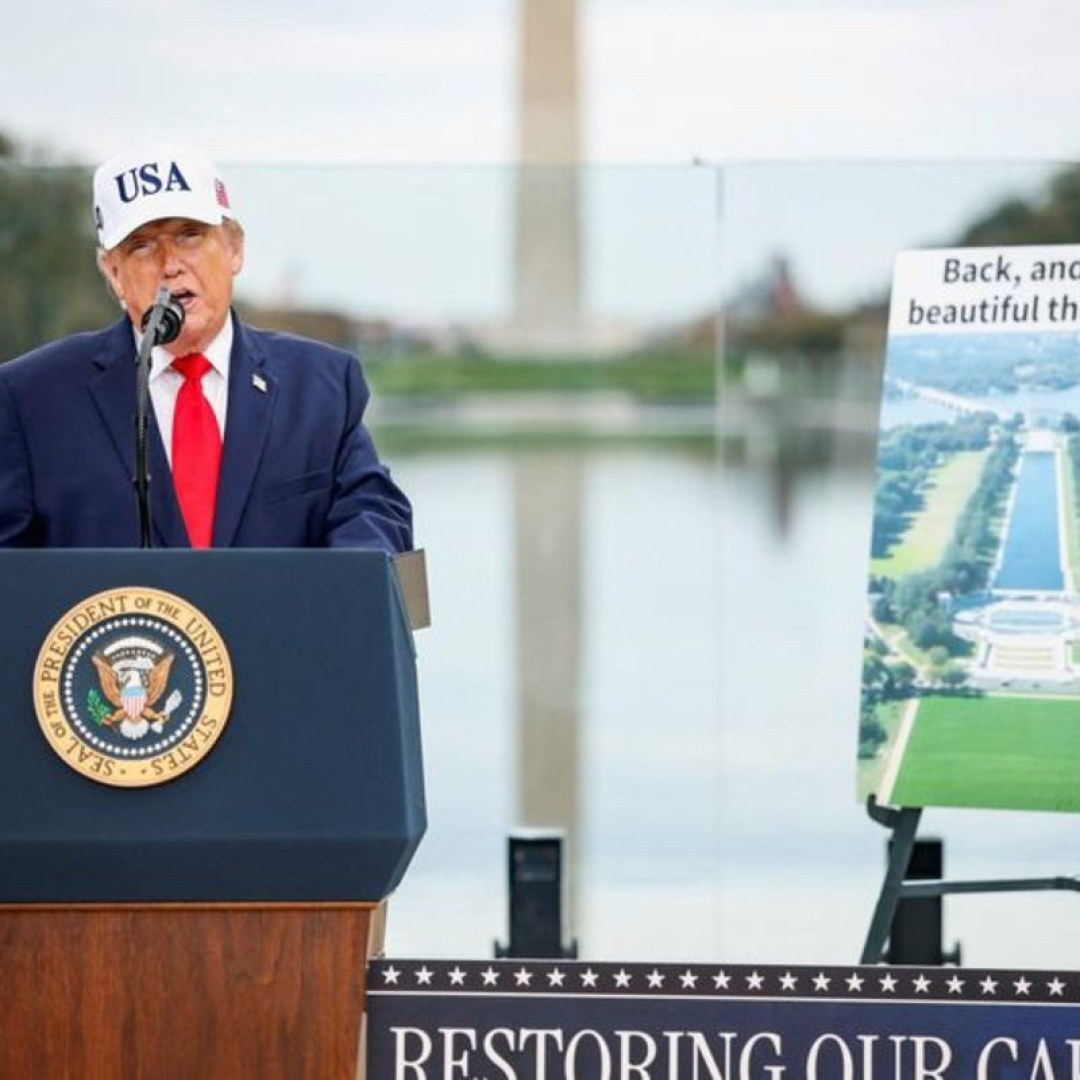
Trump's approval rating has dipped to the lowest point of his presidency, which could significantly reshape the political landscape in Washington. However, even if Democrats succeed in winning one or both chambers, Trump would still maintain veto power and considerable executive authority, which would limit the Democrats' ability to enact substantial legislation.
Common Sense Shop
The United States of Common Sense
Amazon shopping links. Sponsor Complete!
Analysts, strategists, and economists have outlined several key scenarios that could emerge from the elections and their implications for Trump's presidency, Congress, and the economy. If Democrats gain control of the House but not the Senate, they would have the ability to lead House committees, wield subpoena power, and investigate Trump and his administration. However, Trump administration officials could potentially defy congressional subpoenas due to a Justice Department led by Trump appointees that is unlikely to enforce them. In this scenario, Senate Republicans would likely block most Democratic priorities, allowing Trump to continue advancing his agenda through executive orders.
In the event that Democrats secure a larger House majority of 21 to 40 seats, they would have more leverage to push their agenda and absorb defections. This could lead to increased calls for Trump's impeachment and a more robust Democratic stance in budget negotiations. However, significant legislative breakthroughs would still be limited due to Republican control of the Senate and Trump's veto power.
Potential Gridlock and Its Consequences
If the House and Senate split, with Democrats winning the House and Republicans retaining control of the Senate, the political landscape could become increasingly gridlocked. A handful of swing senators would hold significant power over fiscal, judicial, and political battles, making outcomes less predictable. Trump's ability to confirm nominees would remain intact, but his policies on tariffs, immigration, and foreign affairs would largely go unchecked.
The Common Sense Test
In a scenario where Democrats take control of both chambers, they would gain a significant check on Trump's appointments and could block many of his judicial nominees. However, the filibuster and Trump's veto would still limit major legislative gains. A Democratic majority could also reshape the narrative heading into the 2028 elections, as they would be positioned to tackle pressing voter concerns such as inflation and healthcare costs.
The possibility of Republicans maintaining control of both the House and Senate, while unlikely given the number of vulnerable seats, would allow Trump to claim a fresh mandate for the final two years of his presidency. Unified control would enable him to advance judicial nominees and other appointments with minimal congressional constraints. However, this scenario also raises the specter of major budget confrontations and government shutdowns, as the stakes for fiscal responsibility remain high. As the midterm elections approach, the outcomes will undoubtedly shape the trajectory of Trump's presidency and the broader political landscape for years to come.