Indonesia's Review of Anti-Corruption Law Aims for UNCAC Compliance
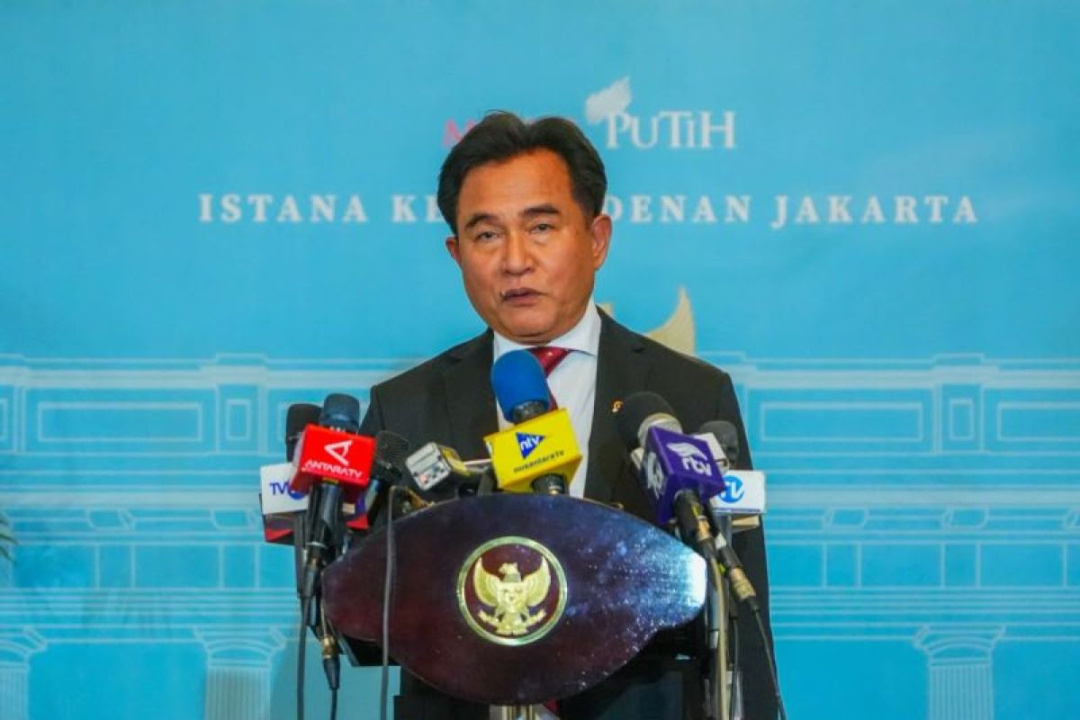
The Indonesian government is currently reviewing potential revisions to its Anti-Corruption Law to align domestic legislation with the United Nations Convention against Corruption (UNCAC). This initiative is also aimed at fulfilling mandatory criteria for the country's accession to the Organisation for Economic Co-operation and Development (OECD) by 2028. Coordinating Minister for Legal, Human Rights, Immigration, and Correctional Affairs, Yusril Ihza Mahendra, discussed these revisions following a meeting with President Prabowo Subianto in Jakarta on October 26, 2026.
Minister Mahendra explained that while Indonesia has ratified the UNCAC, the convention's provisions do not automatically apply; they must be integrated into national laws. He highlighted that certain acts classified as corruption under the UNCAC, such as foreign bribery, are not currently defined as corruption in Indonesian law. Establishing clear regulations on foreign bribery is essential for Indonesia to achieve full OECD membership by the target date.
Common Sense Shop
The United States of Common Sense
Amazon shopping links. Sponsor Complete!
In addition to addressing international standards, Mahendra indicated that any legislative changes must also align with the updated Criminal Code (KUHP), the Criminal Procedure Code (KUHAP), and the ongoing discussions about the Asset Forfeiture Bill. While President Prabowo has not yet formally approved the National Economic Council's amendment proposal, Mahendra has called for a comprehensive study to assess how these international definitions can be adapted to Indonesia's legal framework.
The administration insists that the legal concept of "state financial loss" must remain a cornerstone of any revised legislation. Historical analyses for foundational alignment were initially drafted back in 2006 by various governmental bodies, including the Department of Law and Human Rights, the Foreign Affairs Ministry, and the Corruption Eradication Commission (KPK). The proposed revisions will undergo further governmental review before being included in the National Legislation Program, which will determine whether the initiative will be advanced by the government or the House of Representatives (DPR).
The Importance of Legislative Alignment
As Indonesia navigates these legislative changes, the focus remains on how effectively the government can integrate international standards while maintaining the integrity of its existing legal framework. This review is not merely a bureaucratic exercise; it represents a significant step toward enhancing Indonesia's commitment to combating corruption and fostering a more transparent governance structure. The implications of these changes could extend beyond legal compliance, potentially impacting Indonesia's global standing and economic partnerships.
The Common Sense Test
Ultimately, the success of this initiative will depend on the government's ability to balance international obligations with domestic realities. As the discussions progress, it will be crucial to ensure that the revisions not only meet international standards but also resonate with the principles of accountability and transparency that underpin effective governance. The proposed changes must reflect a genuine commitment to eradicating corruption rather than serving as a superficial compliance measure.