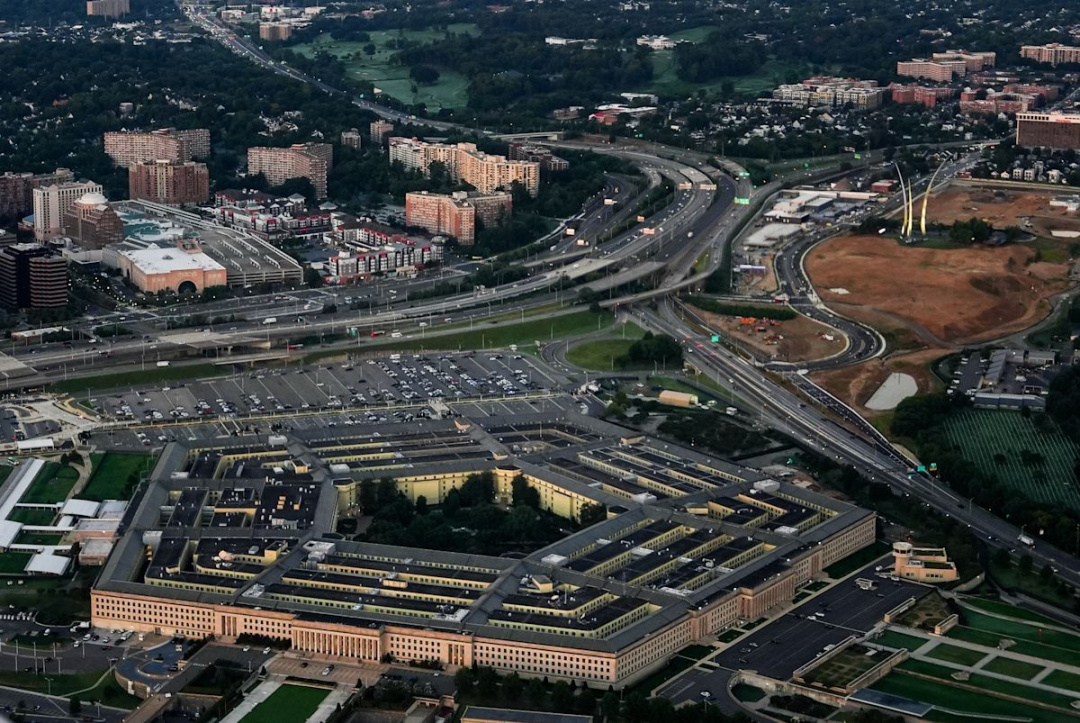
U.S. Military's War with Iran Costs $47 Billion and Rising
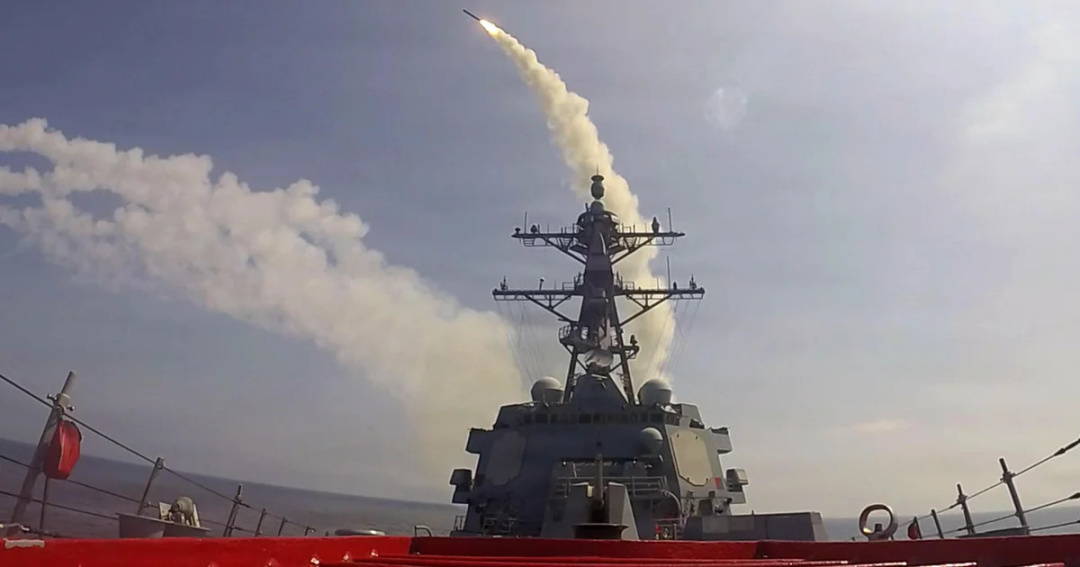
The ongoing war with Iran has cost the U.S. military at least $47.1 billion as of mid-October, according to a recent estimate from U.S. Central Command (CENTCOM) obtained by CBS News. This figure underscores the substantial financial burden of the conflict on American military resources, particularly as it approaches its ninth month.
The bulk of the financial toll, approximately $29 billion, is attributed to the cost of replacing expended munitions. Additionally, CENTCOM has reported around $6.1 billion for replacing lost equipment and about $11.9 billion in incremental costs, which include support for American service members. Notably, this estimate does not account for damage to U.S. military bases in the Middle East, many of which have been targeted by Iranian drones and missiles.
Common Sense Shop
The United States of Common Sense
Amazon shopping links. Sponsor Complete!
In a previous assessment three months ago, Defense Secretary Pete Hegseth indicated that the costs had reached around $37.5 billion, excluding damages to military installations. This increase highlights the escalating financial demands of the military engagement, raising concerns among lawmakers about the sustainability of such expenditures.
The Congressional Budget Office has projected that the war could cost between $2 billion to $3 billion per month for the foreseeable future, largely due to the need for replacing interceptor missiles designed to defend against Iranian attacks. This financial strain could intensify during periods of heightened conflict, reminiscent of the tit-for-tat exchanges that characterized the summer months, although recent weeks have seen a relative quiet.
Future Escalation and Diplomatic Challenges
The future of the conflict remains uncertain, with President Trump suggesting a potential escalation of hostilities following the upcoming midterm elections unless Iran agrees to a deal. "We may do another little Epic Fury, or they'll agree," he stated at a rally in Florida, indicating a willingness to continue military action if diplomatic efforts fail.
The Common Sense Test
Adding to the complexity, the Pentagon's inspector general noted that the U.S. is facing "strategic inventory shortfalls" due to the extensive use of munitions during the war. This has prompted the Defense Department to expedite production efforts, although the Trump administration has asserted that the military is not facing shortages, claiming to have "virtually unlimited amounts of Mid to High Grade Ammunition."
Earlier this year, the administration requested Congress to approve tens of billions of dollars in supplemental military funding, partly in response to the financial demands of the Iran war. However, this request has yet to be passed, with Democrats pressing for a more detailed accounting of the war's costs. As the conflict continues, the implications for U.S. military funding and strategy remain a pressing concern for both lawmakers and military officials alike.